




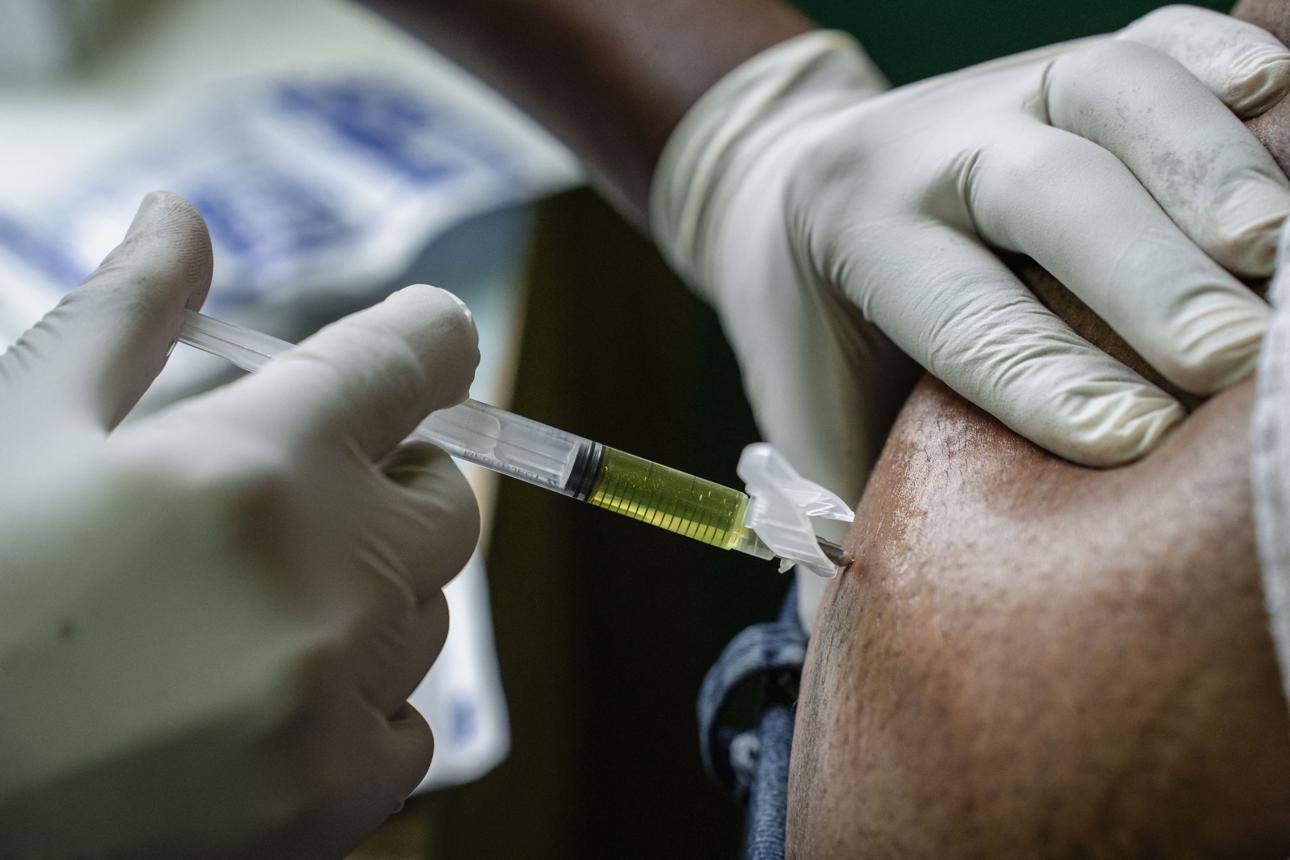
“Nearly 77,000 South Africans Start Six-Monthly HIV Prevention Injection as Medicine Rollout ExpandsNearly 77,000 people in South Africa had received their first dose of lenacapavir, a long-acting HIV prevention medicine administered every six months, by 8 October 2026, according to figures reported by SA Health News on 26 October. The rollout highlights the potential of longer-acting preventive medicines to improve convenience and privacy, while also placing new demands on nurse training, clinical monitoring, medicine supply and equitable access.”
South Africa expands access to long-acting HIV prevention medicine
South Africa’s public healthcare system is making progress in expanding access to a new form of HIV prevention, with nearly 77,000 people having started lenacapavir by early October 2026. The development represents an important step in the country’s efforts to reduce new HIV infections through medicines that can offer protection without requiring people to take preventive tablets every day.
According to figures published by SA Health News on 26 October, the National Department of Health reported that 76,922 people had received their first lenacapavir injection by 8 October. Of these, 36,733 people were treated at 133 facilities in Gauteng, illustrating the province’s significant contribution to the national programme.
Lenacapavir, commonly abbreviated as LEN, is a long-acting antiretroviral medicine used for HIV prevention. When prescribed and administered according to approved clinical guidance, it is a form of pre-exposure prophylaxis, commonly called PrEP, intended to help HIV-negative people reduce their risk of acquiring HIV.
The national public-sector rollout began on 5 June 2026 across 360 healthcare facilities in six provinces. Its expansion is being closely watched because South Africa continues to face a substantial HIV burden and needs prevention approaches that respond to different circumstances, preferences and barriers to treatment.
Why six-monthly prevention matters
Traditional oral PrEP requires users to follow a daily medication routine. Although daily tablets can be highly effective when taken as directed, some people find regular pill-taking difficult because of work schedules, travel, privacy concerns, stigma or the challenge of maintaining a consistent routine.
Lenacapavir offers a different approach by providing long-acting protection through injections administered at six-month intervals. Fewer dosing visits may make prevention more convenient for people who struggle with daily medication, although users must still attend follow-up appointments and comply with clinical recommendations.
The medicine’s longer dosing interval could also help people who prefer not to keep preventive tablets at home or who worry that family members, partners or other people might discover them.
However, the injection is not automatically the best option for everyone. Some people may prefer tablets, while others may have difficulty reaching clinics for scheduled injections. Offering a choice of prevention methods is therefore important for making HIV prevention more accessible.
The new programme builds on existing prevention services rather than replacing them. Condoms, HIV testing, sexual health services, counselling and other appropriate prevention measures remain important components of comprehensive HIV prevention.
Nurses receive specialised training
One of the central challenges in introducing lenacapavir is ensuring that healthcare professionals can administer it safely and consistently.
Unlike a simple injection that can be administered rapidly, lenacapavir is a relatively thick solution that must be injected slowly. The treatment involves two subcutaneous injections during the same visit, with the injection sites selected according to clinical guidance and patient preference.
People starting the medicine also take an initial oral dose according to the prescribed initiation schedule. The reported rollout guidance includes two tablets on the day of the first injections and two additional tablets 24 hours later.
Because the medicine requires a particular administration technique, nurses need specific training before providing the service. According to the 26 October report, training includes preparation and administration procedures, eligibility assessment, side-effect counselling, HIV testing and patient support.
Nurses must also understand the importance of confirming HIV-negative status and following the applicable clinical protocol before treatment begins. This is essential because preventive medicines are intended for people who do not have HIV, and an undiagnosed infection requires appropriate treatment rather than a prevention-only approach.
Practical demonstrations and clinical mentoring can help nurses become familiar with the medicine’s consistency, injection technique and preparation requirements.
These measures are particularly important when a new medicine is introduced across hundreds of facilities. Standardised training can reduce avoidable administration problems and help patients receive consistent information regardless of where they obtain care.
Early patient preferences offer useful lessons
Experience from the Len4PrEP study provides insight into how people respond to the new prevention option.
The SA Health News report states that the study recruited 1,544 participants between November 2025 and June 2026. Among 1,538 participants whose choices were recorded, 85.8% selected the injection, 13.7% selected daily tablets and 0.5% chose neither option. Approximately 1,319 participants started lenacapavir.
These figures suggest substantial interest in long-acting prevention among people involved in the study. Nevertheless, study participants may not represent every community in South Africa, and early preferences should not be interpreted as proof that all patients will prefer injections.
Convenience and privacy were among the reported reasons for choosing the medicine. For people concerned about keeping tablets or taking them regularly, a scheduled clinic visit twice a year may offer a practical alternative.
Healthcare professionals can use these findings to improve patient education. Instead of assuming that one prevention method suits everyone, clinics should explain available options, their dosing requirements, potential side effects and the importance of follow-up.
Patients should be encouraged to make informed choices with qualified healthcare workers, taking into account their circumstances, medical history and preferences.
Managing injection-site reactions and other concerns
As with other medicines, lenacapavir can cause side effects. The report highlights injection-site nodules, or lumps beneath the skin, as a common reaction.
It cites clinical trial findings in which approximately 64% of 2,140 people receiving lenacapavir developed these nodules.
Such reactions can be concerning for patients who are unfamiliar with the medicine. Clear explanations before treatment can help people understand what may happen after an injection and when they should contact their healthcare provider.
Patients should follow the advice provided by their clinic about managing discomfort. Severe pain, worsening swelling, signs of infection or other worrying symptoms should be assessed by a healthcare professional rather than managed solely through general advice.
Counselling should also cover the importance of returning for subsequent doses. Long-acting prevention reduces the frequency of medication administration, but it does not remove the need for scheduled care.
Clinics must provide reliable appointment systems and explain what patients should do if they miss a visit or experience difficulties attending. Individual advice should follow the current national protocol and the patient’s clinical circumstances.
The wider HIV prevention challenge
The expansion of lenacapavir comes at a time when South Africa continues to pursue reductions in new HIV infections.
The SA Health News report cites an estimate of approximately 140,000 new HIV infections in 2025. It also notes that modelling presented to the South African National AIDS Council in October 2025 suggested that reaching between 1.4 million and 2.1 million annual lenacapavir starts by 2030 could prevent tens of thousands of infections annually. These are modelling projections, not confirmed future outcomes.
Achieving meaningful reductions will depend on more than making the medicine available. People need accurate information, convenient services, reliable supplies and the freedom to choose appropriate prevention methods without discrimination.
Healthcare authorities must also evaluate whether services are reaching populations that face barriers to conventional prevention. These may include people who experience stigma, young people who struggle to access confidential services and communities far from well-resourced health facilities.
Community engagement can help address misinformation and build trust. Nurses, community health workers and local organisations can explain how the medicine works, who is eligible and why follow-up appointments remain necessary.
At the same time, prevention programmes must continue to support people already living with HIV. Lenacapavir used for prevention is not a substitute for comprehensive HIV treatment and care.
Ensuring equitable access across provinces
The early rollout figures demonstrate progress, but the number of people who have started treatment does not tell the entire story.
National and provincial health authorities need to monitor where services are available, how many eligible people can access them and whether facilities have sufficient trained staff and supplies. The availability of a medicine in a province does not necessarily mean it is equally accessible in every district or community.
Transport costs, clinic waiting times, staff shortages and inconvenient appointment schedules can discourage people from attending. Addressing these obstacles will be essential if the programme is to expand beyond early adopters and reach those who could benefit most.
Reliable procurement and distribution systems are equally important. A missed dose because of an avoidable supply disruption could undermine confidence in the programme and complicate clinical follow-up.
Authorities should therefore assess medicine availability alongside training, patient retention, adverse-event reporting and prevention outcomes. Transparent reporting would help the public understand whether the programme is meeting its objectives and where improvements are needed.
What happens next?
The next phase of South Africa’s lenacapavir rollout will require sustained investment in training, clinical supervision, medicine procurement and patient communication.
The early uptake figures are encouraging, but they represent a starting point rather than a final assessment of success. Longer-term evidence will be needed to establish how well the programme maintains participation, reaches underserved communities and contributes to reducing new infections.
For patients considering the injection, the appropriate next step is to contact a participating public healthcare facility and ask about availability, eligibility, HIV testing and follow-up requirements. A qualified healthcare professional can explain whether lenacapavir is suitable and discuss alternative prevention options.
South Africa’s experience could also provide useful lessons for other countries considering long-acting HIV prevention medicines. Its large public healthcare network creates opportunities to reach many people, but successful implementation depends on practical delivery, consistent clinical standards and equitable access.
Ultimately, the significance of the programme will be measured not only by the number of injections administered, but by whether people can reliably obtain the medicine, continue prevention when needed and make informed decisions about their health.
The reported total of 76,922 people starting lenacapavir by 8 October marks an important milestone. Continued monitoring and transparent reporting will show whether that early progress can translate into sustained improvements in HIV prevention across South Africa.



