




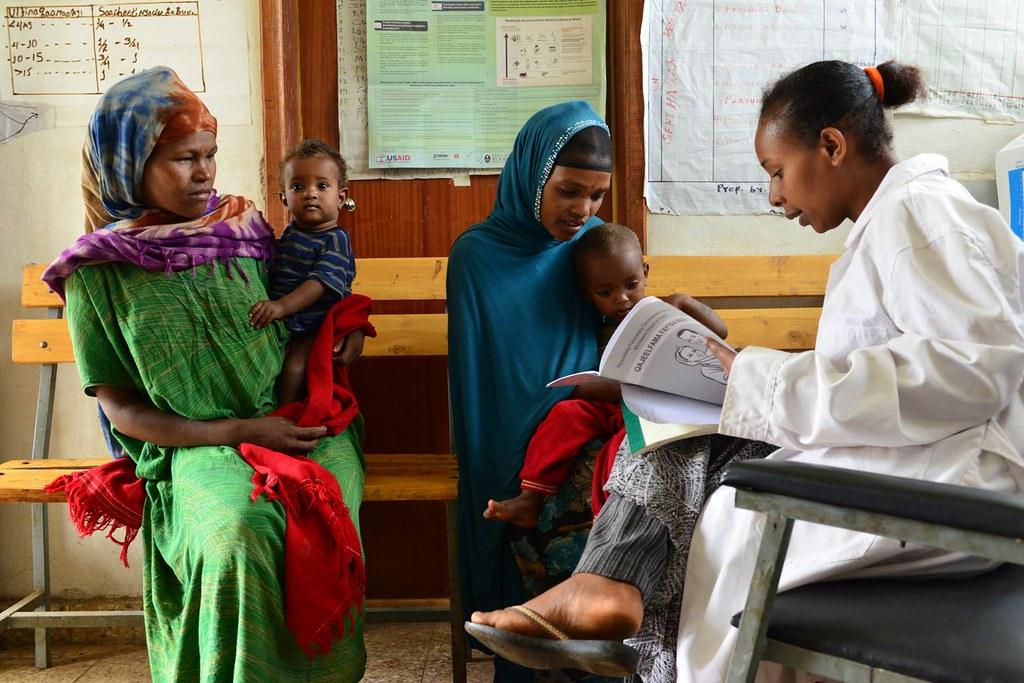
“South Africa has allocated R1.6 billion over three years to tackle child malnutrition and stunting, with a focus on pregnancy and the first 1,000 days of a child’s life. The announcement raises important questions about how the funding will reach vulnerable families, strengthen maternal nutrition services and improve children’s long-term health and development.”
South Africa Allocates R1.6 Billion to Fight Child Malnutrition, Stunting and Poor Early Development
A major investment in maternal and child nutrition
South Africa has taken an important step towards addressing childhood malnutrition after Finance Minister Enoch Godongwana announced an allocation of R1.6 billion over the medium term to support nutrition interventions during pregnancy and the first 1,000 days of a child’s life. The funding was announced in the 2026 Medium-Term Budget Policy Statement presented on 21 October, placing early childhood nutrition among the government’s priorities for protecting children’s health and development.
The allocation comes amid longstanding concerns about childhood stunting, food insecurity and unequal access to nutritious food. Although South Africa produces a wide variety of agricultural products, many households struggle to afford balanced meals consistently. Children in low-income families can consequently experience nutritional deficiencies that affect physical growth, immune function and learning.
The government’s announcement signals recognition that malnutrition cannot be addressed through healthcare services alone. Instead, interventions must begin before birth and continue through infancy, when nutrition plays a particularly important role in development.
According to the published budget statement, the R1.6 billion is intended to support pre-birth care and nutrition during the first 1,000 days. However, further implementation details, including the precise distribution of funding and measurable targets, remain important questions for public authorities.
Why the first 1,000 days matter
The first 1,000 days cover pregnancy and a child’s first two years of life. This period is especially important because the developing brain, immune system and body require adequate energy, protein, vitamins and minerals.
When pregnant women cannot access sufficient nutritious food, the risk of poor pregnancy outcomes, including low birth weight, can increase. After birth, inadequate infant feeding and repeated infections can further compromise growth and development.
Stunting describes impaired growth in children, commonly assessed using height or length relative to age. It is associated with chronic nutritional deprivation and other adverse conditions, including recurrent illness and inadequate sanitation. Its consequences can extend beyond childhood, affecting educational performance, adult health and economic opportunities.
South Africa’s child nutrition challenge is substantial. Recent reporting citing child health research indicates that approximately 27% of children younger than five are stunted. Other estimates highlight the coexistence of overweight and micronutrient deficiencies, demonstrating that malnutrition is not limited to visible hunger.
These problems underline the importance of preventive interventions. Once a child has experienced prolonged nutritional deprivation, some developmental consequences can be difficult to reverse. Therefore, identifying vulnerable mothers and babies early may offer better opportunities to improve outcomes than waiting until serious growth problems become apparent.
How the R1.6 billion is expected to help
National Treasury has indicated that the allocation will reach provincial health departments through the District Health Programmes Grant. Intended activities include nutrition services and micronutrient supplementation for pregnant and breastfeeding women and children attending primary healthcare facilities.
This approach could strengthen services delivered through antenatal clinics, postnatal appointments and routine child health visits. Such facilities offer opportunities to identify nutritional risks, provide counselling, monitor infant growth and refer children who need additional care.
Micronutrient supplementation can also help address deficiencies when recommended by health professionals and delivered through appropriate public health programmes. Nevertheless, supplements cannot replace a sufficiently varied diet or resolve the wider causes of household food insecurity.
Effective implementation will depend on reliable supplies, trained healthcare workers, clear referral procedures and consistent follow-up. Clinics must also be able to identify children whose growth is faltering and ensure that families receive suitable assistance.
Importantly, the government has not announced a dedicated maternal support grant within this allocation. Consequently, the extent to which the programme will address the financial barriers that prevent pregnant women from obtaining nutritious food remains uncertain.
The distinction matters because nutrition interventions require both accessible healthcare and the practical ability to obtain food. A pregnant woman may receive appropriate dietary advice but remain unable to follow it if nutritious products are beyond her household budget.
Poverty and food affordability remain central challenges
Child malnutrition is closely connected to household income, food prices and unequal access to essential services. Families experiencing financial hardship may rely on inexpensive foods that provide calories but insufficient dietary diversity.
In some households, caregivers reduce their own food intake to ensure that children can eat. Others may skip meals, purchase smaller quantities or depend on foods that are readily available but nutritionally inadequate.
These circumstances demonstrate why nutrition policy must look beyond individual food choices. Education about healthy eating is valuable, but its impact is limited when families cannot afford the recommended foods.
A balanced diet may include vegetables, fruit, beans, lentils, eggs, dairy products where suitable, fish and fortified staple foods. Yet the affordability and availability of these items vary substantially between communities.
Water and sanitation are equally relevant. Unsafe water and inadequate hygiene can contribute to diarrhoeal illness, which interferes with nutrient absorption and increases nutritional needs. Children who repeatedly experience infections may struggle to gain weight or grow normally even when food is available.
For this reason, the new allocation will need to complement broader action on poverty, social protection, sanitation, primary healthcare and access to early childhood development services.
Lessons from existing maternal nutrition programmes
South Africa already has initiatives exploring how direct nutritional support can help vulnerable mothers and young children. One example is the Khulisa Care pilot in the Western Cape, which combines food support with community-based healthcare.
In an August 2026 update, the provincial government reported that 2,027 mothers had enrolled across participating sites in Khayelitsha, Mitchells Plain and the Breede Valley as of 7 August. Eligible participants receive vouchers for selected nutritious foods alongside healthcare support, growth monitoring and nutrition education.
The pilot is designed to support underweight pregnant women, women at risk of delivering low-birth-weight babies and mothers whose babies were born with low birth weight. Its approach illustrates how food assistance and clinical services can work together.
However, the programme remains a pilot, and its results should not automatically be treated as proof that the same approach will produce identical outcomes nationwide. Evaluation is necessary to establish its effectiveness, affordability and suitability for different communities.
The new national allocation creates an opportunity to learn from such programmes while establishing consistent standards for maternal and child nutrition services. It could also help policymakers determine which interventions deliver the greatest benefits for vulnerable families.
Connecting healthcare with early childhood development
Nutrition does not stop being important when children leave infancy. Continued access to healthy food supports growth, concentration, learning and participation in early childhood development programmes.
South Africa’s National School Nutrition Programme provides meals to eligible learners in schools. Nevertheless, children can experience nutritional difficulties before reaching school age, leaving a critical period in which families may need other forms of assistance.
Coordination between health, education, social development and agriculture is therefore essential. Health departments can identify nutritional risks, early childhood development centres can support monitoring and referrals, and social programmes can help eligible households access assistance.
Agricultural initiatives may also strengthen food availability by supporting local production, community gardens and links between producers and public nutrition programmes. Such measures must be designed around food safety, reliable supply and the dietary needs of children.
A coordinated approach would reduce the risk of programmes operating separately, with some families receiving overlapping support while others remain underserved.
Accountability and implementation will determine success
Although the R1.6 billion announcement represents a significant commitment, the allocation itself does not guarantee that childhood malnutrition will decline.
The first requirement is transparency. Government should explain how the funding will be distributed across provinces, which services will receive support and how much will be spent in each financial year. Public reporting would allow communities and oversight bodies to assess whether money is reaching its intended beneficiaries.
Second, implementation requires measurable indicators. These could include the number of pregnant women receiving nutrition support, the availability of essential supplements, the proportion of children screened for growth problems and the number of eligible families successfully referred for additional assistance.
Longer-term indicators should assess changes in low birth weight, childhood stunting and relevant micronutrient deficiencies. Because these outcomes are influenced by many factors, evaluations should distinguish programme contributions from wider economic and social changes.
Third, healthcare facilities need sufficient staff, equipment and supplies. Screening has limited value if clinics cannot provide follow-up care or connect families with appropriate support.
Finally, affected communities should have opportunities to report barriers and contribute to programme design. Rural households, informal settlements and families with limited transport may face different obstacles from those encountered by residents of well-served urban areas.
What the allocation means for South Africa’s nutrition future
The R1.6 billion commitment provides an opportunity to strengthen early intervention against childhood malnutrition. Its focus on pregnancy and the first 1,000 days recognises that protecting children’s development requires action before nutritional problems become severe.
However, the investment must be understood as one component of a broader response. Families need affordable nutritious food, accessible healthcare, safe water, adequate sanitation and social protection. Without these foundations, clinical advice and supplementation alone are unlikely to resolve the problem.
The coming implementation period will therefore be important. Clear spending plans, provincial coordination, reliable service delivery and public accountability will help determine whether the allocation translates into meaningful improvements for mothers and children.
South Africa has identified an important priority and committed public resources to it. The ultimate test will be whether vulnerable families experience better access to nutrition support and whether fewer children suffer preventable growth and developmental setbacks.
Sources: South African Government, Medium-Term Budget Policy Statement 2026; GroundUp, “Treasury allocates R1.6-billion to fight child stunting,” 22 October 2026; Western Cape Government, Khulisa Care pilot update, 18 August 2026.



