




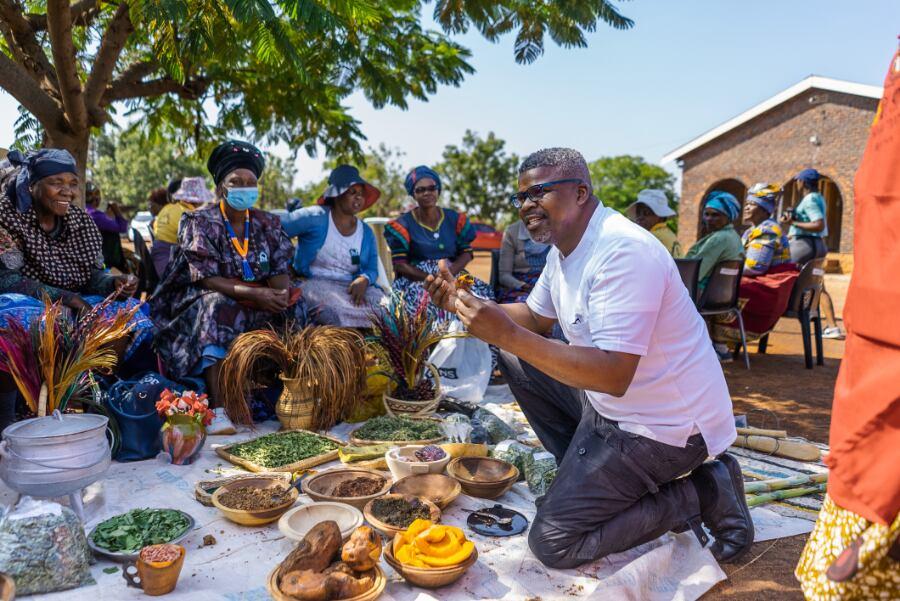
“South Africa is strengthening its cultural tourism offering by promoting food, indigenous ingredients, culinary traditions and hospitality as reasons for visitors to explore the country. The Gastronomy Africa Conference & Expo in uMhlanga, KwaZulu-Natal, is bringing together tourism leaders, chefs, food producers and hospitality professionals to explore how culinary heritage can create visitor experiences and economic opportunities for local communities.”
Gastronomy Africa Conference & Expo puts South African food heritage at the centre of tourism
Food becomes a reason to explore South Africa
South Africa is placing its culinary traditions, indigenous ingredients and distinctive hospitality at the centre of its tourism offering as the country explores new ways to attract visitors and strengthen local economic opportunities. The Gastronomy Africa Conference & Expo, held in uMhlanga, KwaZulu-Natal, on 19 and 20 October 2026, is highlighting how food can become more than a supporting part of a holiday: it can be a principal reason travellers choose a destination.
The event, formerly known as the SA Chef Conference & Expo, has developed into a pan-African platform examining the business of food, culinary heritage, responsible sourcing, skills development and gastronomy tourism. Its programme brings together chefs, restaurateurs, food producers, hospitality professionals and tourism industry representatives to explore how African food traditions can be developed into compelling visitor experiences.
According to reporting published by IOL Travel on 20 October, South African Tourism is seeking to translate positive visitor experiences with local food and hospitality into a stronger commercial tourism offering. The initiative reflects an opportunity to connect cultural identity with travel, entrepreneurship and the development of destinations beyond their most familiar attractions.
South Africa’s culinary heritage attracts international interest
South Africa’s food culture reflects centuries of interaction between African communities, indigenous knowledge systems, migration, agriculture and international influences. Its culinary identity is expressed through traditional recipes, regional ingredients, family cooking practices, local markets and contemporary interpretations of established dishes.
For travellers, exploring this heritage offers an opportunity to understand the country through everyday experiences rather than simply visiting well-known landmarks. A meal prepared using a regional recipe, a visit to a community market or a conversation with a local food producer can reveal details about a destination that conventional sightseeing may overlook.
The country’s diverse culinary traditions also offer opportunities to connect food with particular landscapes and communities. Visitors can explore local dishes in urban neighbourhoods, experience regional specialities in smaller towns, visit food markets and discover how local ingredients influence contemporary restaurant menus.
These experiences can complement established attractions, including wildlife destinations, coastlines, mountains, historic buildings and cultural sites. By incorporating culinary activities into travel itineraries, tourism businesses can encourage visitors to spend more time exploring different regions.
South African Tourism’s participation in Gastronomy Africa demonstrates the growing interest in presenting food as a distinctive element of the country’s tourism identity. The official announcement preceding the event described gastronomy as a personal way for travellers to experience the people, culture and stories that make South Africa distinctive.
Research highlights the value of food and hospitality
One of the important findings discussed in the reporting is research conducted by Data Appeal, which analysed more than 1.3 million reviews from international travellers between September 2025 and September 2026.
The analysis found that South Africa’s food and beverage sector recorded an overall sentiment score of 90.7 out of 100. The result suggests that food and beverage experiences are an important potential strength for the country’s visitor economy.
However, positive visitor feedback alone does not automatically translate into additional bookings, longer stays or increased spending across communities. Tourism organisations and businesses need to understand what travellers appreciate, identify marketable experiences and make those experiences accessible through clear information and reliable services.
Sithembile Ndaba, chief marketing officer at South African Tourism, said the findings highlighted an opportunity to build on existing positive experiences by developing a more deliberate commercial proposition around food tourism.
The emphasis is therefore shifting from simply offering good meals to developing experiences that visitors can discover, plan, purchase and recommend to others.
This approach could include guided culinary tours, food-focused weekend packages, cooking demonstrations, regional tasting experiences and visits to producers. Such activities would need to be designed around genuine local traditions, visitor interests and the practical capacity of participating businesses.
From township food tours to wine routes
Gastronomy tourism can connect established destinations with communities and businesses that receive less attention in conventional travel itineraries.
Township food tours, for example, can introduce visitors to local eateries, neighbourhood histories and culinary traditions. When responsibly organised, these experiences can create opportunities for independent restaurants, guides, cooks and small suppliers.
Local markets can provide another entry point into South African culture. Visitors may encounter seasonal produce, regional ingredients, traditional snacks and conversations about the people who grow, prepare and sell food.
Wine routes also offer opportunities to connect agriculture, landscapes, hospitality and regional history. Meanwhile, contemporary African restaurants can demonstrate how chefs are interpreting traditional ingredients and techniques in modern settings.
These experiences are not interchangeable, and each destination must present its own identity rather than relying on a generic national food-tourism formula.
Tour operators, accommodation providers and destination management companies could incorporate food experiences into packages that already feature cultural attractions, outdoor activities or regional sightseeing. A visitor travelling through the Western Cape, for example, might combine regional cuisine with a local market or wine-route excursion, while a visitor to KwaZulu-Natal could explore food experiences connected with the province’s communities and culinary traditions.
Such combinations could encourage travellers to extend their stays and explore destinations beyond the main tourist centres. However, their success will depend on the quality of the experiences, appropriate pricing, transport access and effective cooperation between tourism businesses.
Indigenous ingredients and responsible sourcing
Indigenous ingredients and responsible sourcing are important themes in the conference’s wider examination of gastronomy tourism.
Local ingredients can help distinguish one destination from another while connecting food experiences with agricultural knowledge, regional environments and established culinary practices. When chefs work with local producers, they can also create opportunities for suppliers to reach new customers.
Responsible sourcing requires more than placing local ingredients on a menu. Businesses need to consider supply reliability, fair commercial relationships, environmental sustainability and the long-term availability of the resources they use.
Traditional knowledge should also be treated respectfully. Communities whose food practices and cultural histories attract visitors should have a meaningful role in deciding how their heritage is presented and commercialised.
Where appropriate, food-tourism initiatives can create opportunities for cultural practitioners, farmers, small-scale producers and community enterprises to participate in the visitor economy. Transparent agreements and fair compensation can help ensure that the benefits extend beyond larger hospitality businesses.
The challenge is to create commercially viable experiences without reducing living cultural traditions to superficial performances for visitors.
Creating opportunities for small businesses
Food tourism can connect different parts of the local economy. A single culinary experience may involve a restaurant, a guide, a farmer, a transport provider, a craft producer and an accommodation business.
When these participants work together, visitor spending has the potential to support a wider network of enterprises. Smaller businesses may benefit from referrals, package partnerships and access to customers who would otherwise struggle to discover them.
Nevertheless, participation in tourism markets can require investment. Businesses may need improved booking systems, staff training, food-safety procedures, reliable transport arrangements and stronger digital marketing.
The conference’s focus on skills development is relevant to these requirements. Training can help businesses improve customer service, communicate the cultural significance of their offerings and meet the expectations of domestic and international visitors.
Tourism organisations and industry partners can also help connect emerging enterprises with tour operators and travel distributors. These relationships may improve visibility, although commercial success will still depend on pricing, consistency, customer demand and the quality of the experience.
Small businesses should not be expected to absorb all the costs of developing a destination’s tourism offering. Supportive partnerships, accessible training and realistic routes to market can make participation more achievable.
Connecting cultural tourism with regional development
South Africa’s culinary diversity creates opportunities to distribute tourism activity across different destinations and seasons. Instead of concentrating every visitor experience around major attractions, tourism planners can develop complementary activities that encourage travellers to explore additional neighbourhoods and towns.
For example, food experiences can be incorporated into cultural festivals, heritage visits, guided walking tours and regional itineraries. Markets and restaurants may also provide activities during periods when outdoor attractions are less convenient because of weather or seasonal conditions.
These opportunities require coordination. Businesses need accurate information about opening hours, availability, transport, prices and accessibility. Visitors should be able to understand what an experience includes before booking it.
Destination marketing can help communicate these offerings, but promotional campaigns must be supported by products that are ready to welcome visitors. Clear booking arrangements, trained staff and consistent service standards are essential to maintaining trust.
The broader objective is to ensure that culinary tourism contributes to a destination’s economy while preserving the characteristics that make it culturally distinctive.
Marketing South Africa through authentic experiences
South African Tourism’s wider destination-marketing efforts provide a framework for presenting the country’s flavours, stories and communities to prospective visitors. Its Come Find Your Joy campaign is one example of how the national tourism brand promotes experiences that can make a trip personally meaningful.
Food can support this approach because eating is both a practical necessity and a social activity. Visitors often remember the people they meet, the stories behind a dish and the atmosphere of a local restaurant alongside the food itself.
Digital platforms can help businesses communicate these experiences through photographs, short videos, itineraries and booking information. Travel agents and tour operators can also package culinary activities into trips that combine accommodation, transport and other attractions.
Authenticity remains important. Marketing should accurately represent communities, ingredients, cultural practices and the services actually available. Overstated claims or experiences that disregard local preferences can undermine the trust that successful cultural tourism requires.
For international travellers, reliable information about prices, dietary requirements, transport and booking conditions can make unfamiliar experiences easier to consider. Domestic travellers can also benefit from discovering food traditions in regions they may not have explored previously.
Challenges facing gastronomy tourism
Although culinary tourism offers opportunities, its development is not automatic. Businesses must manage operating costs, food quality, supply fluctuations, staffing needs and changing consumer expectations.
Smaller enterprises may find it difficult to invest in marketing or connect with international distribution networks. In some destinations, transport limitations and inconsistent visitor information can also prevent promising experiences from reaching their intended markets.
There is an additional responsibility to protect cultural integrity. Popularity can encourage businesses to simplify or alter traditions for commercial purposes, potentially separating food from the communities and histories that give it meaning.
Addressing these challenges requires cooperation between tourism authorities, hospitality businesses, cultural organisations, producers and local communities. Development strategies should balance commercial opportunity with responsible representation, environmental care and fair participation.
The Data Appeal findings reported by IOL offer an encouraging starting point, but sustained progress will require further evidence about bookings, visitor spending, business participation and the distribution of economic benefits.
Conclusion: Turning culinary heritage into a lasting tourism asset
The Gastronomy Africa Conference & Expo places an important question before South Africa’s tourism industry: how can the country’s existing culinary strengths be developed into experiences that attract visitors while benefiting the communities behind them?
The event’s focus on indigenous ingredients, culinary heritage, responsible sourcing, skills development and gastronomy tourism points towards a more integrated approach. Food can connect travellers with local stories, support small businesses and encourage exploration beyond familiar attractions.
Research indicating strong international visitor sentiment towards South Africa’s food and beverage sector provides a useful basis for developing that opportunity. However, the next step is to translate positive experiences into accessible, well-managed products that visitors can discover and book.
For communities, the potential benefits include new customers, stronger partnerships and opportunities to share cultural knowledge. For travellers, the reward is a deeper understanding of South Africa through its regional flavours, traditions and hospitality.
Ultimately, successful gastronomy tourism must do more than promote dishes. It must recognise the people, knowledge and local enterprises that give those dishes meaning. If tourism businesses and communities develop these experiences responsibly, South Africa’s culinary heritage could become an increasingly valuable reason to visit, explore more destinations and return.



