




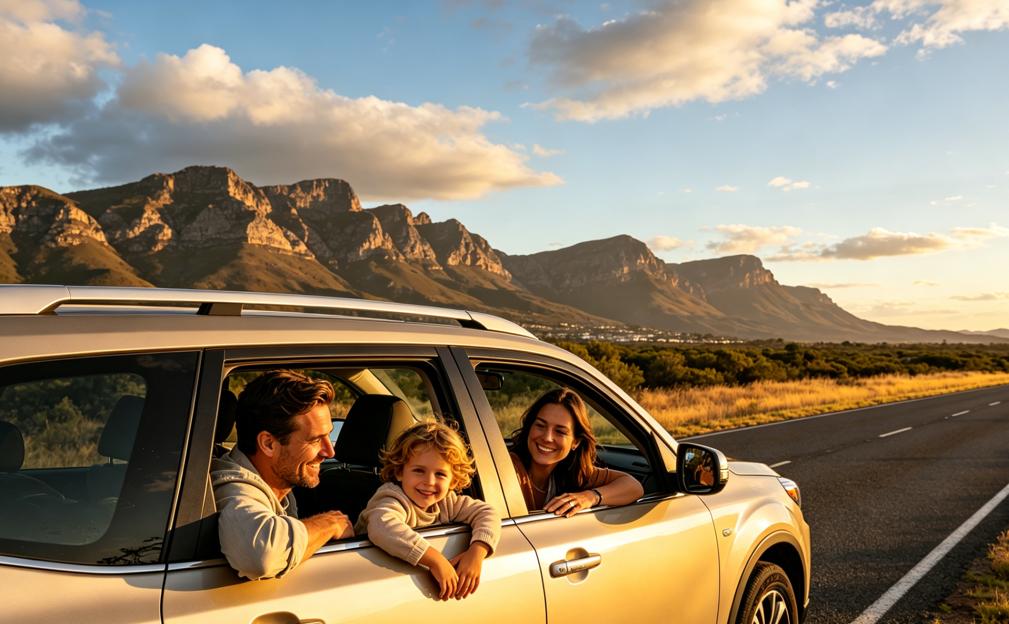
“Weekend getaways are becoming harder to afford for households facing rising everyday expenses, as transport, accommodation, food and entertainment increase the total cost of a short break. However, domestic tourism remains active: South Africans took 21.2 million overnight trips in the first half of 2026, up from 20.4 million in the same period of 2025, although overall domestic tourism spending remained below the previous year.”
The Weekend Away Is Becoming a Luxury: How South Africans Can Travel on a Budget in 2026
A weekend holiday has traditionally offered South African families an opportunity to escape busy schedules, reconnect with loved ones and explore the country’s remarkable destinations. However, in 2026, planning even a short getaway increasingly requires careful financial consideration. The cost of accommodation, fuel, meals, tolls, entertainment and local transport can turn a seemingly affordable trip into a significant household expense.
A report published by BusinessTech on 20 October 2026, titled The Weekend Away Is Becoming a Luxury, highlights this growing challenge. Although domestic tourism continues to attract millions of travellers, households are paying closer attention to what they spend and how much value they receive from their holidays.
The trend presents an important question for the country’s tourism industry: how can South Africans continue discovering their own country without putting additional pressure on already stretched household budgets?
Domestic tourism remains active despite financial pressure
South Africa’s domestic tourism figures suggest that people still want to travel, even as affordability becomes increasingly important. According to the figures cited in the BusinessTech report, South Africans took 21.2 million overnight domestic trips during the first half of 2026, compared with 20.4 million during the corresponding period in 2025.
Holiday trips increased by 36% to 5.2 million over the same period. Nevertheless, overall domestic tourism spending remained below the previous year’s level. These figures suggest that increased travel activity does not automatically translate into increased spending.
Travellers may be choosing shorter holidays, less expensive accommodation, destinations closer to home or activities that offer more value for money. Some may also be staying with relatives rather than paying for hotels and guesthouses.
This shift matters because domestic tourism supports accommodation providers, restaurants, transport businesses, tour operators, market vendors and community-based attractions. If people continue travelling but spend less during each trip, businesses must find ways to offer competitive prices while maintaining service quality.
The challenge is therefore not simply to encourage more travel. It is to make travel financially accessible while ensuring that tourism continues to benefit local communities.
Why a short holiday can become expensive
One of the biggest mistakes travellers make is judging a holiday primarily by its accommodation price. A room that appears inexpensive online may be located far from major attractions, restaurants or public transport. The resulting fuel, taxi fares and activity costs can quickly eliminate the initial saving.
BusinessTech illustrates this problem through an example of a two-night getaway with estimated expenses covering fuel, accommodation, activities, food, local transport and tolls. The combined illustrative total reaches R7,520. These figures describe an example rather than a standard price for every South African weekend holiday.
The lesson is straightforward: the overall cost matters more than any individual booking.
Travellers should calculate how much they will spend travelling to their destination, moving around after arrival, eating, sleeping and participating in planned activities. They should also allow for parking, unexpected expenses and emergencies.
For example, a family comparing two guesthouses should consider not only their nightly rates but also the distance to attractions, whether breakfast is included and whether the property provides cooking facilities.
A slightly more expensive self-catering property near the main attractions could ultimately cost less than cheaper accommodation requiring extensive daily driving.
Choosing destinations closer to home
Distance is one of the most practical ways to control travel expenses. South Africa offers numerous attractions within relatively short driving distances of major cities, allowing residents to experience a change of scenery without organising a long-distance journey.
For Johannesburg residents, destinations around Hartbeespoort, the Magaliesberg, Muldersdrift and the Cradle of Humankind offer opportunities for outdoor recreation, cultural exploration and relaxation. Cape Town residents can consider nearby coastal communities, nature reserves and towns within the Western Cape.
The most suitable destination will depend on the traveller’s starting point, interests and available budget.
Fuel costs deserve particular attention because prices and vehicle efficiency influence the final travel bill. BusinessTech’s October report uses September 2026 petrol prices to illustrate how even relatively short journeys create measurable fuel expenses. Its examples demonstrate why distance should form part of the affordability calculation.
Travellers can reduce unnecessary driving by selecting accommodation close to planned activities, grouping nearby attractions together and checking whether parking is included.
Carpooling with friends or relatives may also reduce the amount each person contributes towards fuel and tolls. However, drivers should ensure that the vehicle is roadworthy and that the journey remains safe.
Accommodation choices that protect the budget
Accommodation is often one of the largest expenses associated with a holiday. Fortunately, travellers do not always need luxury hotels to enjoy meaningful experiences.
Guesthouses, hostels, campsites, self-catering cottages and family accommodation can provide alternatives for different budgets. Visiting friends and relatives may eliminate accommodation costs altogether, although guests should still contribute appropriately towards shared household expenses where possible.
Self-catering accommodation can be particularly useful for families because it allows them to prepare some meals instead of eating at restaurants throughout the trip.
Nevertheless, travellers should compare the full price before making a reservation. Cleaning charges, service fees, parking costs, deposits and cancellation conditions can affect the final amount.
It is also worth comparing weekday stays with weekend bookings where work and school commitments allow flexibility. Travelling outside peak periods may provide access to better rates, although availability and actual savings depend on the destination.
Most importantly, travellers should avoid borrowing money for discretionary holidays if repayment would interfere with essential household commitments.
Food and activities: Spend where it matters
Food and entertainment can consume a considerable portion of a travel budget. Restaurant meals, refreshments, admission tickets and spontaneous purchases may appear affordable individually, but the total can become substantial over several days.
Planning meals before departure can help households control these expenses. Travellers staying in self-catering accommodation might prepare breakfast, pack snacks for day trips and select a few restaurants for special meals.
However, budget-conscious travel does not mean eliminating every enjoyable experience. Instead, travellers can identify the activities that matter most and allocate money accordingly.
A family interested in wildlife might prioritise a carefully selected conservation attraction while spending the remainder of the weekend enjoying free walking routes or public beaches where access is permitted.
Cultural experiences can also offer memorable alternatives to expensive entertainment. Local markets, community festivals, heritage sites and public events may introduce visitors to regional food, crafts and traditions.
Before visiting, travellers should verify opening hours, entry requirements, transport arrangements and current admission charges. Free entry should never be assumed, particularly at protected areas and managed attractions.
Finding genuine travel discounts
Discounts can improve affordability when they apply to expenses that travellers already intended to incur. However, a promotion is not automatically a good deal simply because it advertises a reduced price.
Travellers should compare the final amount payable, including taxes, booking charges and any additional conditions. They should also verify whether the offer applies to their preferred dates and whether the provider is reputable.
The BusinessTech report discusses the potential value of combining eligible savings across transport, car hire, e-hailing and selected activities. Its example illustrates how multiple smaller reductions can contribute towards a lower overall trip cost, subject to the relevant programme conditions.
Consumers should avoid purchasing unnecessary products or memberships merely to qualify for discounts. A saving is worthwhile only when its benefits exceed the associated costs and restrictions.
Advance planning can also help travellers identify seasonal promotions and compare different providers before committing their money.
Why planning ahead makes a difference
Financial planning is central to sustainable budget travel. Before choosing a destination, households should determine how much disposable income they can reasonably allocate to a holiday without compromising rent, food, transport, school expenses, debt repayments or emergency savings.
Once the limit is established, travellers can work backwards to determine the appropriate destination, duration and accommodation type.
A simple budget should include transport, accommodation, meals, activities, local travel and a contingency allowance. Recording estimated costs alongside actual expenses can also help travellers identify where they overspend.
Booking early may improve the range of available options, but it is not always the cheapest strategy. Prices, availability and cancellation policies differ, so travellers should compare offers carefully rather than assuming that every early booking provides the best value.
Families can also consider shorter trips, day excursions or one-night stays when a full weekend is beyond their budget. Enjoyable travel does not have to involve an expensive hotel or a lengthy itinerary.
Implications for South Africa’s tourism industry
The growing emphasis on affordability creates both challenges and opportunities for tourism businesses. Hotels, guesthouses, tour operators and attractions may need to develop packages that appeal to price-conscious domestic visitors without compromising safety or service quality.
Transparent pricing is especially important. Travellers are more likely to make informed decisions when providers clearly communicate what their prices include and identify additional charges before payment.
Small businesses can also attract visitors by promoting experiences that do not require extensive travel between attractions. Local walking tours, cultural activities, regional food experiences and combined attraction packages may help visitors manage their spending.
Community tourism deserves particular attention because money spent at locally owned businesses can support livelihoods beyond traditional hotel districts.
Nevertheless, affordability must remain financially sustainable for operators. Competitive pricing should be balanced with responsible staffing, maintenance, conservation and service standards.
The industry’s longer-term success will depend partly on its ability to make domestic holidays accessible to a broader range of households while encouraging visitors to support local economies.
Conclusion: Travel smarter, not necessarily farther
South Africa’s domestic tourism figures show that interest in local holidays remains strong, even as households become more careful about spending. The increase in overnight trips and holiday travel during the first half of 2026 demonstrates continued demand, while lower overall domestic tourism spending highlights the importance of affordability.
For travellers, the practical solution begins with understanding the complete cost of a trip. Choosing destinations closer to home, comparing accommodation carefully, planning meals, prioritising meaningful activities and checking genuine discounts can help make holidays more manageable.
For tourism businesses, the opportunity lies in providing transparent prices, accessible experiences and packages that respond to the needs of budget-conscious visitors.
Ultimately, a memorable holiday does not have to be the most expensive one. With realistic expectations and thoughtful preparation, South Africans can continue discovering the country’s landscapes, heritage, wildlife and communities without placing unnecessary pressure on their finances.



