




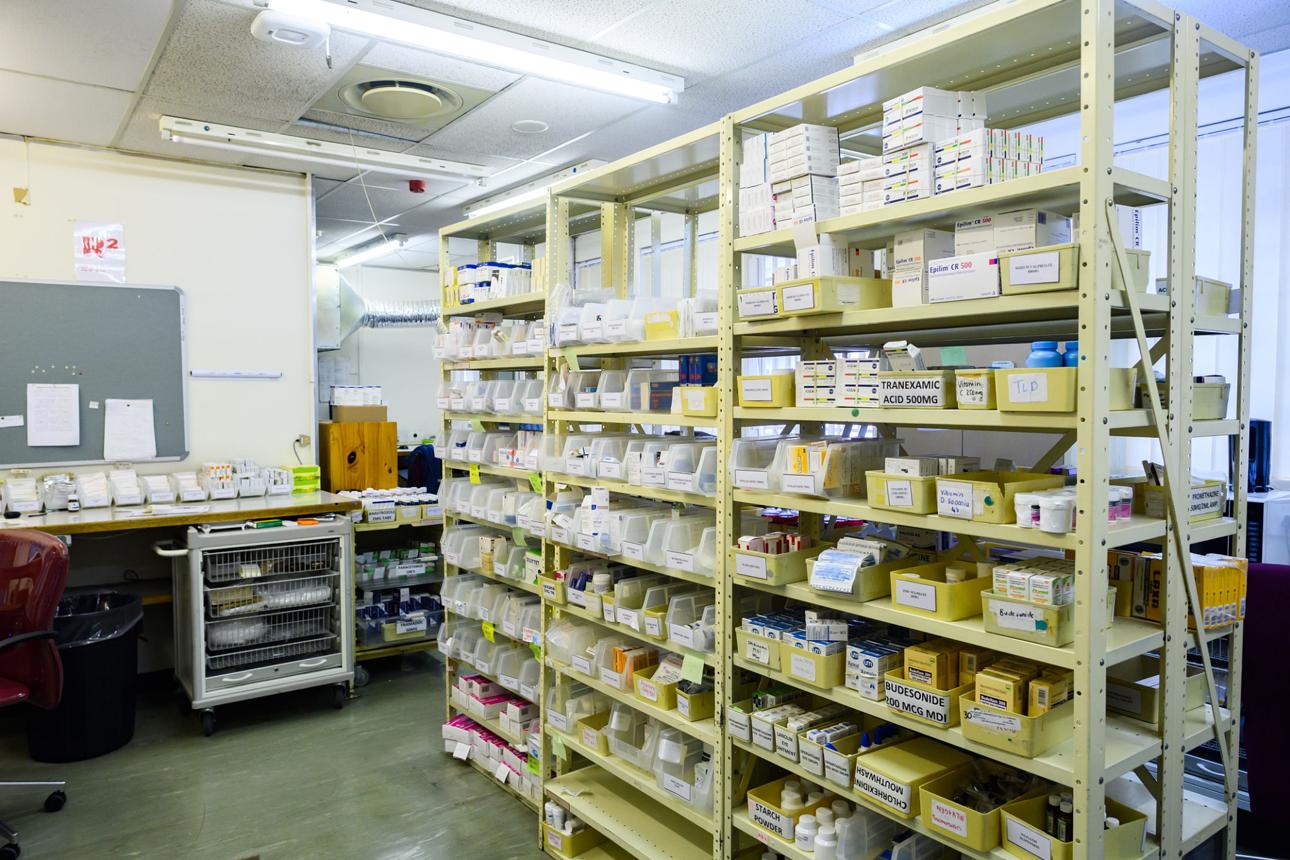
“South Africa’s medicine supply system is facing renewed pressure today after Gauteng Health acknowledged medicine availability challenges at public healthcare facilities, putting the reliability of treatment for chronic patients under the spotlight. The provincial department says supplier delays, changes in medicine contracts, procurement lead times, limited supplier participation and wider pharmaceutical supply-chain pressures are contributing to the problem.”
Gauteng Health’s position
Gauteng Health confirmed on 7 October that some public facilities are experiencing medicine supply challenges. The department said the absence of a particular brand, pack size or supplier product does not automatically mean treatment is unavailable. Where possible, facilities can provide an equivalent product from another approved manufacturer, a different pack size or strength, or a clinically appropriate alternative in line with treatment guidelines. Stock can also be moved between facilities and districts to address local imbalances.
The department said urgent medicines may be obtained through approved alternative suppliers, including “buy-outs”, while its Stock Visibility System is used to monitor availability and identify emerging problems. Gauteng is also working with the National Department of Health to respond to shortages.
Medicine shortages are not always cases of an empty warehouse. A shortage may involve one manufacturer, a particular strength, a pack size, a delayed delivery, or stock available in one district but not another. For patients, however, the distinction matters little if treatment cannot be collected when due.
The patient impact
The greatest concern is continuity of treatment for people who depend on medicines every day. A patient managing hypertension, epilepsy, diabetes, cardiovascular disease or a mental-health condition may require consistent medication over time. Interruptions can create anxiety, force additional clinic visits and, depending on the medicine and condition, increase the risk of complications.
A Gauteng opposition health spokesperson reported shortages affecting medicines for high blood pressure, blood clots, epilepsy and mental-health conditions at several facilities, including Steve Biko Academic Hospital, Charlotte Maxeke Johannesburg Academic Hospital, Nigel Clinic and Northmead Clinic. Those claims are separate from the provincial department’s official explanation but show why availability has become an important issue.
The reported examples also highlight the financial consequences of shortages. Patients who cannot obtain medicines through the public system may have to consider private pharmacies, where costs can be unaffordable. For households dependent on public healthcare, paying hundreds or thousands of rand for an essential chronic medicine is not a realistic substitute for a functioning public supply chain.
A national supply-chain problem
The Gauteng situation is part of a broader medicine-supply challenge rather than an isolated provincial story. The National Department of Health maintains a medicine “Hot List” for essential medicines with stock availability below specified thresholds and demand exceeding available supplier and provincial stocks. The list also records causes of supply challenges and proposed remedial actions.
A 7 October analysis by health-policy expert Dr Andy Gray argued that South Africa needs stronger, more transparent systems for identifying and managing medicine shortages. He pointed to gaps in the country’s reporting framework compared with systems used in the United States, European Union and Australia, where manufacturers have stronger obligations to report supply disruptions and regulators publish shortage information.
South Africa’s national system does have mechanisms for escalation. The Department of Health uses a National Surveillance Centre, Stock Visibility System and Improved Medicine Availability Team. These tools are designed to identify problems, coordinate responses and support provinces when medicines become difficult to obtain. The challenge is ensuring that information and intervention happen early enough to protect patients.
Why shortages happen
Medicine shortages can have several causes. They may begin with manufacturing problems, shortages of active pharmaceutical ingredients, quality-assurance delays, regulatory decisions, packaging constraints, transport problems or international supply disruptions. They can also arise from procurement and contracting decisions, supplier performance, delayed deliveries and limited competition among suppliers.
Recent analysis published by Spotlight noted that the national Hot List has identified different causes for supply problems, including delays in quality assurance, difficulty obtaining components, global constraints and regulatory issues. The analysis highlighted the importance of knowing not only that a medicine is unavailable, but why it is unavailable and what is being done to restore supply.
Different causes require different solutions. Manufacturing failures may require alternative suppliers, while procurement problems may require stronger contracts and forecasting.
Pricing and medicine availability
The supply problem also comes as South Africa adjusts medicine pricing. Government implemented an extraordinary 2.88% increase to the Single Exit Price of registered medicines from 1 October 2026. The Department of Health said the adjustment was intended to respond to domestic and geopolitical pressures, provide relief to manufacturers and support sustainable medicine supply while maintaining affordability.
The pricing decision illustrates a difficult balance. Medicines must remain affordable, but manufacturers and suppliers must also operate sustainably. If prices become unsustainable, suppliers may withdraw; large increases can also make treatment harder to afford.
The challenge is to build a supply system that is affordable, predictable and resilient.
What should happen next?
The first priority should be early warning. Authorities need timely information showing which medicines are at risk, where shortages are occurring, how long they are expected to last and what alternatives are available. Patients and healthcare workers should not have to discover serious shortages only at a pharmacy counter.
Second, procurement should place greater emphasis on resilience. For medicines considered vital, relying too heavily on a single supplier can create unnecessary vulnerability. Multiple qualified suppliers, contingency stocks and clear emergency procurement procedures can reduce the impact of individual disruptions.
Third, communication needs to improve. When patients receive medicines with different packaging or from a different manufacturer, healthcare workers should clearly explain that the product is an approved equivalent when that is the case. The national Department of Health has stressed that changes in colour, packaging or manufacturer do not necessarily mean that the medicine itself has changed.
Finally, patients should not stop or change prescribed medicines on their own because of a shortage. If a medicine is unavailable, the appropriate response is to speak to a pharmacist, doctor or clinic professional about an approved alternative or a safe way to continue treatment.
A test of health-system resilience
Gauteng’s medicine shortages are ultimately about more than missing boxes on pharmacy shelves. They test whether procurement, manufacturing, regulation, logistics, financing and clinical care can work together when supply chains come under pressure.
The province says it is actively redistributing stock, monitoring availability and sourcing alternatives, while the national department has systems designed to identify and manage shortages. Those measures can reduce harm, but the need for emergency interventions shows why South Africa must strengthen the underlying system.
For patients, the measure of success is straightforward: when a doctor prescribes an essential medicine, the patient should be able to obtain it safely, consistently and affordably. The current Gauteng situation is therefore a warning that medicine security should remain a central health-policy priority, not merely an emergency response after shortages have already reached clinics and hospitals.



