




“Gauteng authorities have called for urgent investigation after reports that some pupils have been purchasing and consuming a product known as “scrubs”, with concerns about what the substance contains and whether materials not intended for human consumption are entering school communities. The Gauteng Department of Education says the product is not part of the National School Nutrition Programme (NSNP) and that inspections have found no evidence that the substance was incorporated into meals supplied through the programme.”
Gauteng Food-Safety Concerns Put School Nutrition Under Spotlight
A food-safety concern involving pupils in Gauteng has placed renewed attention on the importance of safe, nutritious meals for children attending public schools. Authorities are investigating reports surrounding a product referred to as “scrubs”, which some learners are reportedly buying from outside vendors and consuming or adding to food.
The Gauteng Department of Education has called for urgent action to determine exactly what the substance contains, where it originates and how it reaches pupils. Gauteng Education MEC Lebohang Maile has also raised concerns about the pace of investigations and has asked law-enforcement authorities to assist in determining the source and safety of the product.
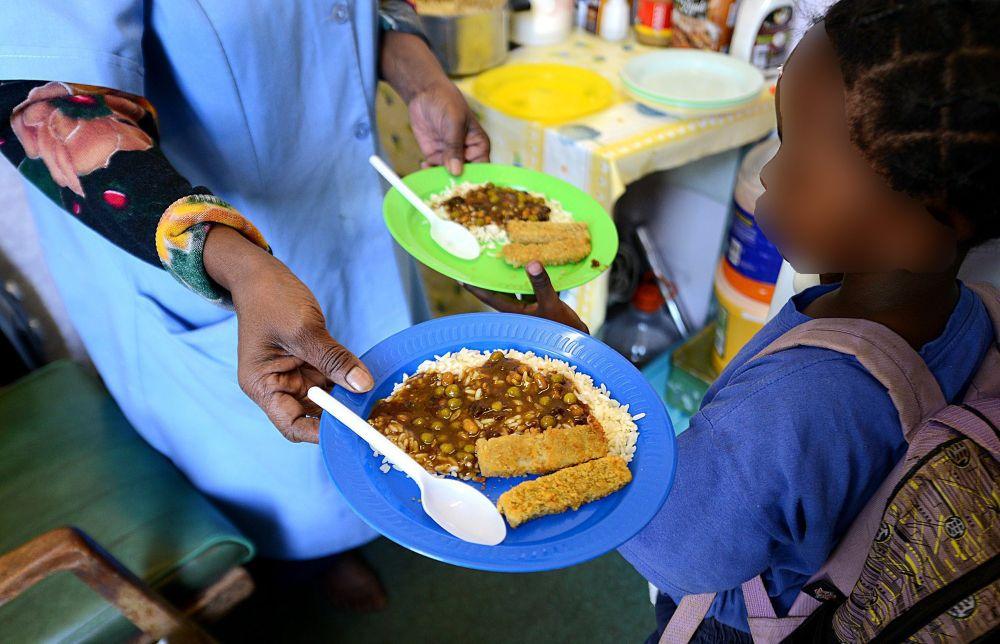
The issue has attracted particular attention because some reports have linked the substance to meals associated with the National School Nutrition Programme, a major government intervention designed to provide nutritious food to learners in schools. However, the Gauteng Department of Education has stressed that “scrubs” are not an approved component of the programme.
According to the department, fact-finding visits to schools found that schools were complying with the programme’s food requirements. Investigators also found no evidence that externally purchased products had been incorporated into meals supplied through the NSNP.
What Are “Scrubs”?
One of the central questions in the investigation is precisely what the product known as “scrubs” is.
Reports have described the material as a substance obtained outside the formal school feeding system. Earlier reporting referred to discarded fryer oil and a substance locally called “lalaza”, while subsequent reports have described colourful powdered products being purchased by learners from spaza shops and other vendors. The Gauteng Department of Education says the composition and origin of the products have not been established and that the relevant authorities must scientifically test them.
This uncertainty is significant from a nutrition and public-health perspective. Food consumed by children should be identifiable, safely prepared and handled according to appropriate food-safety standards. When the contents or origin of a substance are unknown, health authorities need reliable laboratory evidence before determining whether it is safe for consumption.
The department has therefore instructed pupils and schools not to consume “scrubs”, oil-fry residue or similar materials obtained from unknown or unauthorised sources. It has also said that such products may not be added to meals supplied through the NSNP.
National School Nutrition Programme Remains Central to Child Nutrition
The controversy comes against the background of the enormous role played by school feeding in supporting children’s nutrition.
The Department of Basic Education describes the NSNP as a programme intended to enhance learners’ capacity to learn by providing a healthy meal at school. Government says the programme can contribute to punctuality, attendance, concentration and general wellbeing, while its nutrition-education component aims to encourage healthy eating habits.
In Gauteng, the scale of the programme is particularly significant.
The provincial department says the NSNP provides daily breakfast and lunch to 1,738,266 pupils across 1,675 schools, supported by 8,728 food handlers. The programme covers primary schools, secondary schools and schools serving learners with special educational needs. Approximately R1.69 billion has been allocated to the Gauteng programme for the 2026/27 financial year.
These figures illustrate why food safety and public confidence are important. A programme serving more than 1.7 million children requires strong systems for procurement, food preparation, handling, monitoring and reporting.
The Department of Basic Education’s national guidance states that school meals are intended to provide learners with energy and help them remain alert and receptive during lessons. The programme also incorporates nutrition education and food-safety awareness.
Department Rejects Claims of Systemic Failure
The Gauteng Department of Education has rejected suggestions that the “scrubs” issue demonstrates a systemic failure within the National School Nutrition Programme.
In an earlier report, Gauteng Education MEC Lebohang Maile dismissed claims that discarded fryer oil was being routinely incorporated into school meals. The department said an investigation had not established a connection between the alleged product and meals supplied through the state programme.
The distinction is important because there are potentially two separate issues.
The first is the safety of food officially supplied by the school nutrition programme. The second concerns products that individual learners may obtain independently from outside vendors and subsequently add to their food.
The department says its school inspections found compliance with NSNP food requirements and no evidence that unauthorised products formed part of the meals provided through the programme.
At the same time, the reported consumption of unknown substances by children remains a public-health concern regardless of whether the products originated inside or outside the school feeding programme.
Why Nutrition Quality Matters for Children
Nutrition during childhood has consequences that extend beyond hunger.
Children require adequate energy and nutrients for growth, brain development, immune function and normal physical development. Poor diets can contribute to several forms of malnutrition, including undernutrition, micronutrient deficiencies and unhealthy weight gain.
South Africa’s National Department of Health has identified maternal and child nutrition as an important health priority. Its 2026/27 Annual Performance Plan reports that exclusive breastfeeding rates declined from 32% in 2016 to 22% in 2024, while complementary feeding among children under five remains problematic, particularly because of inadequate dietary diversity.
This broader context demonstrates why school meals and nutrition education are important components of public health.
Nutrition is not simply about providing calories. Children need meals that are safe, sufficiently nutritious and appropriate for their developmental needs. At the same time, families and communities need reliable information about which foods and substances are safe to consume.
Food Safety Requires Community Participation
The Gauteng Education Department has called on parents, school governing bodies, teachers, pupils, food handlers, businesses, environmental health authorities, law-enforcement agencies and communities to participate in protecting children.
This approach recognises that schools cannot manage food-safety risks alone.
Businesses also have responsibilities when disposing of waste. Maile warned that waste should not be handled in ways that allow materials not intended for human consumption to reach communities and eventually schools.
For communities, the issue highlights the importance of asking questions about unfamiliar products before consuming them. For schools, it reinforces the need for monitoring around meal-serving areas and for promptly reporting concerns.
Teachers and food handlers have reportedly been instructed to monitor meal-serving and consumption areas and immediately report incidents through the appropriate departmental structures.
Avoiding Panic While Protecting Children
Another challenge is communicating food-safety concerns without unnecessarily undermining legitimate nutrition programmes.
The Gauteng Department of Education has warned that inaccurate or sensational reporting could cause parents or pupils to lose confidence in school meals. According to the department, this could result in some children refusing meals even when those meals comply with programme requirements.
A careful distinction between verified findings and allegations is therefore important.
At present, authorities have not established that “scrubs” are an approved NSNP food item, nor have inspections found evidence that the product formed part of official school meals in the Gauteng schools visited. The composition and origin of the substance remain matters for investigation and scientific testing.
The Wider Nutrition Challenge
The controversy also highlights the wider challenge of ensuring that children have access to healthy food both inside and outside school.
South Africa’s food system faces continuing questions around affordability, dietary quality and access to nutritious foods. A September 2026 systematic review published in Frontiers in Nutrition found that improving access to affordable healthy diets requires coordinated action across agriculture, supply chains, governance, regulation, finance, education and research rather than reliance on one intervention alone.
For children, this means that school feeding programmes are only one part of a much larger nutrition environment.
Families, schools, communities, food producers, retailers and government agencies all influence what children can access and consume. Nutrition education can help children understand healthy choices, but affordability and availability also affect those choices.
What Happens Next?
The immediate priority is establishing what the reported “scrubs” products actually contain and determining how they reach pupils.
Authorities will also need to establish whether any pupils have suffered adverse health effects and whether businesses or vendors have violated food-safety or waste-disposal requirements. Scientific testing and investigation will be important because assumptions about an unidentified substance cannot substitute for evidence.
For the school nutrition programme itself, continued monitoring will be necessary to ensure that approved menus, food-handling procedures and safety standards are followed.
The National School Nutrition Programme remains an important mechanism for providing food to children during the school day. Government information says the programme is intended not only to provide meals but also to promote nutrition education and healthy eating habits.
The Gauteng controversy therefore presents two simultaneous priorities: protect children from potentially unsafe substances while maintaining access to safe and nutritious school meals.
Until investigations establish the composition and source of the “scrubs” products, the safest public-health approach is to avoid consuming unidentified substances and to rely on approved food sources and school nutrition meals prepared according to established requirements.
For parents, teachers and communities, the episode is also a reminder that children’s nutrition depends on more than simply having food available. Food must be safe, nutritious, properly handled and supported by accurate information.
The investigation will determine whether further action is necessary, but the immediate message from Gauteng authorities is clear: products of unknown composition should not be added to children’s meals, and concerns about food safety should be reported promptly to the appropriate authorities.



