




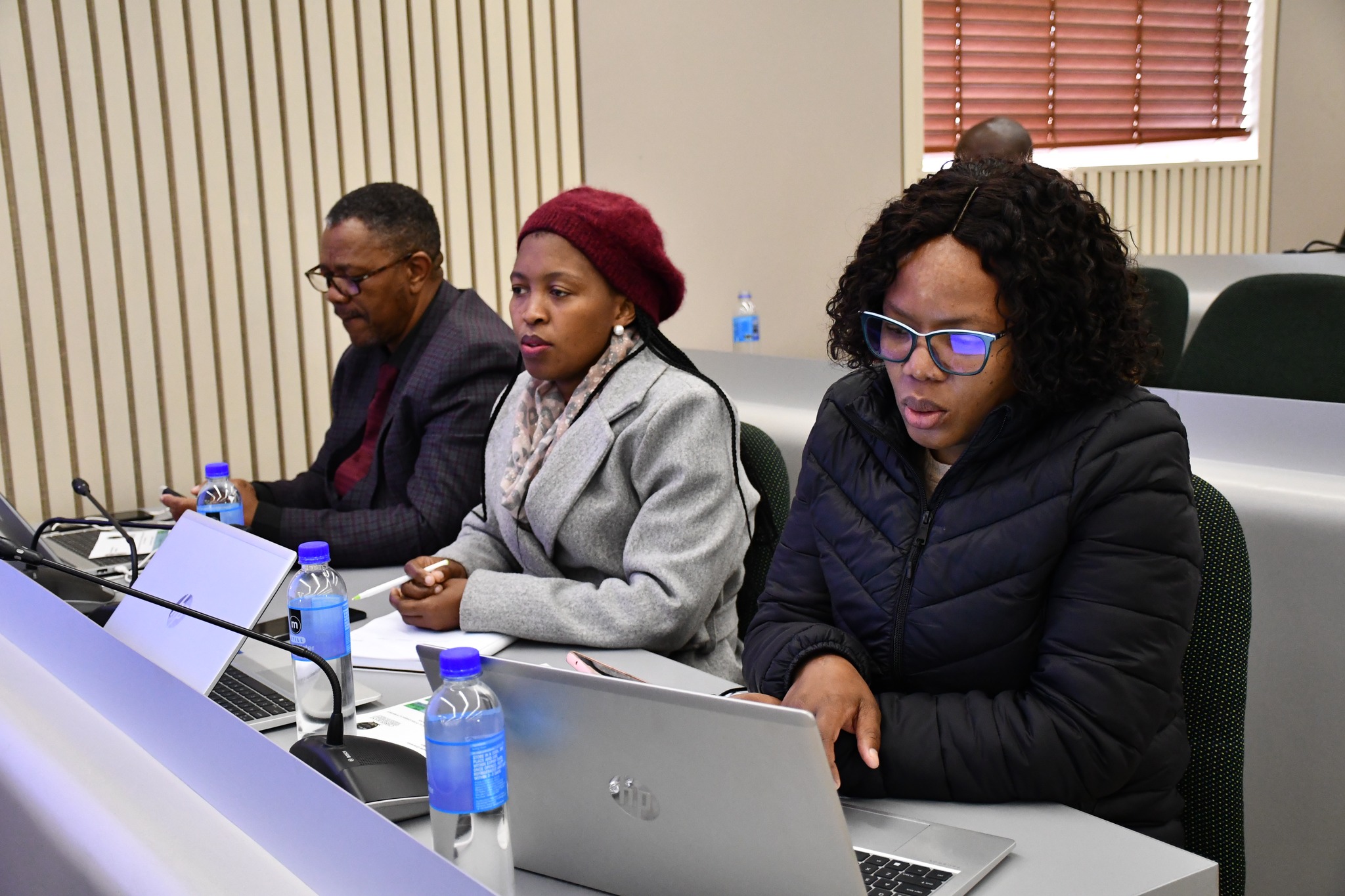
“Google has announced plans to establish Africa’s first Digital Exchange Port in South Africa’s Eastern Cape, a high-capacity hub designed to integrate subsea cables, internet service providers, and cloud platforms. The project is expected to accelerate AI adoption, boost connectivity, and position South Africa as the gateway for digital innovation across the continent.”
South Africa has taken a monumental step toward becoming Africa’s digital powerhouse. On July 3, 2026, Google confirmed its investment in the Eastern Cape to build the continent’s first Digital Exchange Port (DEP). This infrastructure project is not just about faster internet—it represents a strategic leap in Artificial Intelligence (AI) integration, cloud computing, and digital trade.
What is a Digital Exchange Port?
A Digital Exchange Port is a high-capacity gateway that consolidates subsea cables, internet service providers (ISPs), and cloud platforms into one ecosystem. By doing so, it reduces latency, improves bandwidth, and creates a seamless environment for AI-driven applications.
- Subsea cables: South Africa already hosts several major cables like WACS and Equiano. The DEP will integrate these into a unified system.
- Cloud platforms: Global providers such as Google Cloud, AWS, and Microsoft Azure will benefit from faster, more reliable access.
- AI applications: From smart cities to predictive healthcare, AI systems require massive data throughput—DEP provides the backbone.
Strategic Importance for South Africa
South Africa’s economy has long struggled with digital inequality. Rural areas often lack reliable internet, while urban centers face congestion. The DEP addresses both challenges:
- Boosting AI adoption in industries like mining, agriculture, and finance.
- Supporting SMEs by lowering the cost of cloud services.
- Enhancing cybersecurity with localized data routing.
- Creating jobs in engineering, data science, and AI research.
AI and Economic Growth
The DEP is expected to increase South Africa’s GDP contribution from AI technologies by 2–3% annually over the next decade. Key sectors poised for transformation include:
- Mining: AI-driven predictive maintenance and safety monitoring.
- Agriculture: Smart irrigation and crop yield optimization.
- Healthcare: AI diagnostics and telemedicine expansion.
- Finance: Real-time fraud detection and digital banking.
Regional and Continental Impact
South Africa’s DEP will not only serve domestic needs but also act as a continental hub. Neighboring countries like Namibia, Botswana, and Zimbabwe will benefit from improved connectivity.
- Trade facilitation: Faster digital transactions across borders.
- Education: Universities can access global AI research networks.
- Innovation ecosystems: Startups gain access to scalable infrastructure.
Challenges and Risks
While the DEP promises transformative benefits, several challenges remain:
- Energy demands: AI data centers consume vast electricity. South Africa must balance this with renewable energy goals.
- Cybersecurity threats: Concentrating digital infrastructure increases vulnerability.
- Policy alignment: Government regulation must keep pace with technological change.
Voices from Industry
Karina Geyser of Datacentrix noted that colocation services—balancing edge, core, and cloud environments—will be critical for mining and industrial AI adoption. Meanwhile, local startups see the DEP as a chance to scale globally.
Global Context
Google’s investment aligns with a broader trend of AI infrastructure expansion worldwide. Similar hubs exist in Singapore, Frankfurt, and Silicon Valley. By establishing one in South Africa, Google signals confidence in Africa’s digital future.
Conclusion
The announcement of Africa’s first Digital Exchange Port in South Africa marks a turning point in the continent’s digital transformation. With AI at its core, the DEP will redefine connectivity, empower industries, and position South Africa as the gateway to Africa’s AI revolution.



