




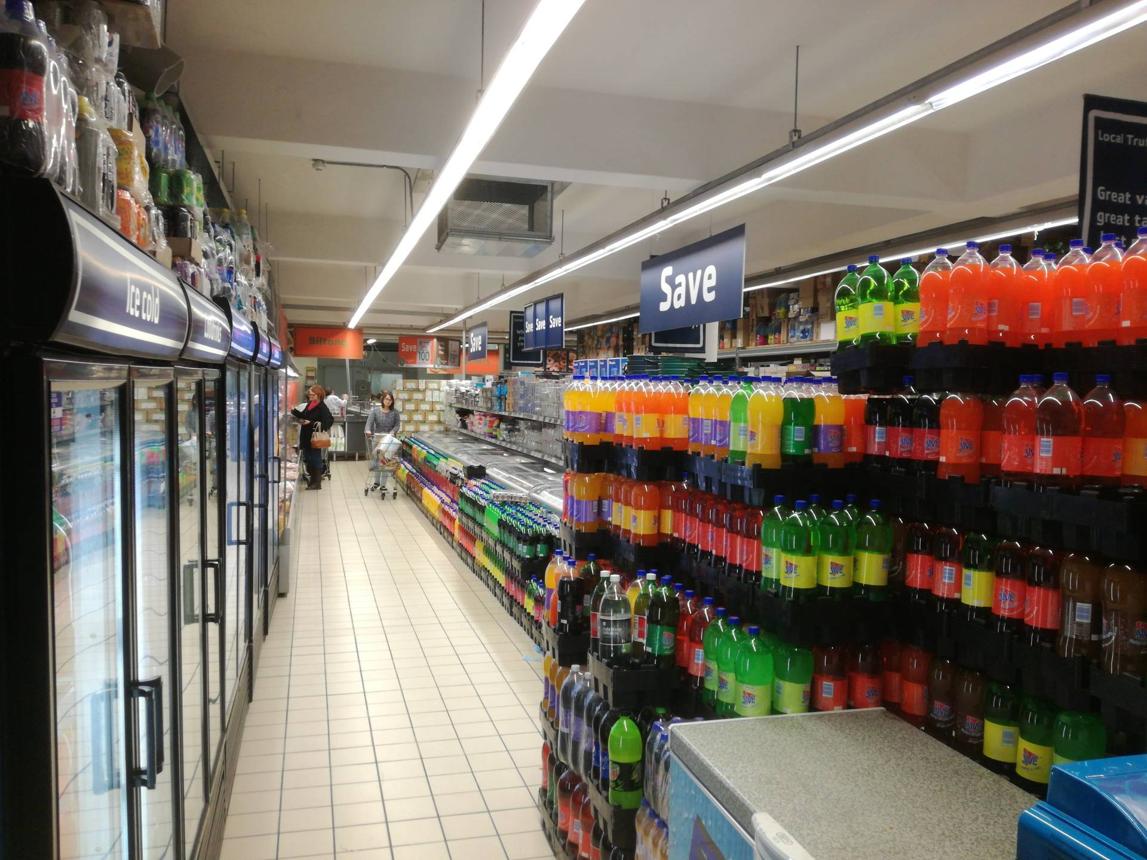
“The Healthy Living Alliance (HEALA) has called on the South African government to finalise mandatory front-of-package warning labels for unhealthy processed foods and strengthen the Health Promotion Levy on sugary drinks ahead of Finance Minister Enoch Godongwana’s Medium-Term Budget Policy Statement on 21 October 2026. The organisation argues that stronger public-health policies could help prevent diet-related diseases, reduce pressure on the healthcare system and improve consumer awareness, while urging authorities to complete the long-delayed food-labelling regulations before the 10 December 2026 deadline.”
South Africa Faces Renewed Pressure to Strengthen Food Labelling and Sugary Drinks Policies
South Africa’s public-health policy debate has gained renewed urgency after the Healthy Living Alliance called on the government to accelerate regulations requiring warning labels on unhealthy packaged foods and strengthen the Health Promotion Levy on sugary drinks. The appeal comes ahead of the 2026 Medium-Term Budget Policy Statement, scheduled for 21 October, when Finance Minister Enoch Godongwana will outline the government’s economic and fiscal priorities for the coming period.
The call highlights a growing policy question: how can South Africa protect consumers from preventable diseases while balancing commercial interests, household affordability and the country’s economic challenges?
HEALA argues that government action is needed to make healthier choices easier for consumers and to reduce the long-term costs associated with diet-related illnesses. Its proposals include finalising Regulation R3337, which would introduce mandatory front-of-package warning labels, and increasing the Health Promotion Levy on sugary drinks to 20% of the retail price.
Delayed food-labelling regulations return to the policy agenda
Regulation R3337 is central to the current debate. First published in draft form in April 2023, the proposed regulations would require warning labels on processed and pre-packaged foods containing high levels of sugar, sodium or saturated fat, as well as certain products containing artificial sweeteners.
The proposal is intended to make nutritional information easier to understand at the point of purchase. Instead of requiring shoppers to examine detailed nutritional tables on the back of a package, warning labels could help identify products that contain ingredients associated with health risks.
According to HEALA, research indicates that approximately 80% of packaged products on South African supermarket shelves could require warnings under the proposed rules. If implemented, the regulations would represent a substantial change in how food manufacturers present their products to consumers.
The proposed measures also include restrictions on marketing unhealthy foods to children and tighter requirements governing health and nutrition claims. These provisions would extend the policy beyond labelling alone, addressing how products are promoted and how their nutritional qualities are communicated.
The regulations remain a draft proposal rather than a completed policy. HEALA has called for them to be approved by 10 December 2026, making the remaining weeks an important period for government decision-making.
The delay illustrates the challenges involved in developing public-health regulations that affect multiple industries. Government departments must consider scientific evidence, implementation requirements, legal questions and the potential consequences for manufacturers and retailers.
Consultation is a legitimate part of policymaking, particularly when regulations affect products sold across the economy. However, HEALA maintains that consultations should not continue indefinitely when the intended objective is to protect public health.
Why front-of-package warning labels matter
Food labels influence how consumers understand the products they purchase. Yet detailed nutritional information can be difficult to interpret, particularly when shoppers have limited time, face financial pressure or must compare several products quickly.
A clear warning displayed prominently on the front of a package could provide a more accessible signal about high levels of sugar, sodium or saturated fat.
Such labels would not prevent consumers from purchasing the products concerned. Instead, they would give shoppers additional information that could inform their decisions.
The policy could be especially relevant for families purchasing food on tight budgets. When comparing products, consumers need to consider both price and nutritional value. More visible information could help them evaluate those considerations without having to interpret complicated ingredient lists.
The proposed rules could also influence manufacturers. If warning labels make certain nutritional characteristics more noticeable, companies may have an incentive to reformulate products to reduce the ingredients triggering warnings.
However, the extent of any reformulation would depend on how the regulations are designed, how consistently they are enforced and how manufacturers respond. Warning labels alone cannot guarantee that consumers will change their diets or that companies will make healthier products available at affordable prices.
For that reason, food labelling is best understood as one part of a broader public-health strategy. Nutrition education, access to affordable healthy food, responsible marketing and effective healthcare services would remain important.
The government’s challenge is to establish a framework that delivers useful information without creating unnecessary confusion or allowing unclear health claims to undermine the policy’s objectives.
HEALA calls for a stronger Health Promotion Levy
Alongside food warning labels, HEALA is advocating an increase in the Health Promotion Levy, which applies to sugary drinks. The organisation wants the levy raised to 20% of the retail price, citing World Health Organization recommendations.
The levy uses fiscal policy to influence consumption. By increasing the tax burden on targeted sugary beverages, government seeks to discourage excessive consumption while potentially generating revenue that can support public finances.
HEALA views the levy and front-of-package warning labels as complementary measures. Warning labels communicate information about food products, while the levy seeks to influence purchasing decisions through pricing.
The effectiveness of either policy depends on its design and implementation. Consumers may respond differently depending on income, product availability, preferences and the prices of alternative drinks. Manufacturers may also change product formulations, adjust prices or modify their product ranges.
An increase in the levy would therefore require careful consideration of how the costs and benefits are distributed across households and businesses.
For lower-income consumers, affordability is a particularly important concern. A successful policy should support healthier choices without ignoring the financial realities facing families.
At the same time, the health consequences of excessive sugar consumption can impose substantial costs on individuals, communities and the state. Policymakers must weigh these long-term costs against the immediate effects of taxation.
HEALA argues that the government should treat the levy as a preventive health instrument rather than simply a revenue measure. Its position is that reducing preventable disease could improve household wellbeing and reduce future demands on public healthcare.
Rising pressure from diet-related diseases
The debate takes place against the background of significant public-health challenges. Obesity, type 2 diabetes, hypertension and cardiovascular disease can require long-term treatment, monitoring and healthcare support. These conditions can also affect people’s ability to work, participate in community life and support their families.
HEALA cites estimates that obesity-related conditions cost South Africa approximately R33 billion annually, equivalent to around 15% of government health expenditure. It also points to projections that the cost of type 2 diabetes could reach R35.1 billion by 2030. These figures illustrate the potential financial consequences of failing to address preventable risk factors, although estimates depend on their underlying assumptions and methodology.
The Department of Health reportedly conducted more than 44 million screenings for high blood pressure and another 44 million for elevated blood glucose during the 2024/25 period. These figures demonstrate the scale of screening activity, although they should not be interpreted as the number of unique people diagnosed with disease.
For the government, prevention has implications beyond healthcare budgets. Illness can reduce productivity, increase household expenses and place additional responsibilities on family members who provide care.
The costs can be particularly difficult for households that already struggle with food, transport, housing and electricity expenses. Preventing avoidable illnesses could help reduce some of these pressures over time.
Nevertheless, food policy cannot solve every health challenge. Genetics, physical activity, access to medical services, living conditions and other factors also influence health outcomes. The government’s approach will need to recognise these complexities while addressing preventable dietary risks.
Economic evidence strengthens the argument for prevention
HEALA has also highlighted research published in BMJ Public Health suggesting that increasing the Health Promotion Levy to 20% could avert approximately 619,000 new cases of type 2 diabetes, reduce existing cases by 285,000 and prevent around 26,000 deaths over 20 years.
The modelling also estimates potential healthcare savings of R23.9 billion compared with maintaining the existing levy. These are projections, not guaranteed outcomes, and depend on assumptions about consumption, taxation, disease risks and healthcare costs.
Even with those qualifications, such estimates are relevant to fiscal policy because governments must consider the long-term costs of disease alongside the immediate costs of prevention.
South Africa’s budget decisions involve competing priorities, including education, infrastructure, social support, public safety and healthcare. Preventive measures that reduce future expenditure could create opportunities to direct limited public resources towards other needs.
However, projected savings should be assessed transparently. Policymakers need access to credible evidence about how a levy affects consumption, whether consumers substitute other products and how manufacturers respond.
HEALA also estimates that keeping the levy below the proposed 20% level resulted in approximately R15.1 billion in forgone government revenue between 2018/19 and 2023/24. That estimate forms part of its argument for a stronger tax, although the amount of additional revenue actually collected would depend on the levy rate and market responses.
The role of government, business and public consultation
The disagreement surrounding the regulations reflects a familiar challenge in democratic policymaking: how to balance commercial participation with the public interest.
Food and beverage manufacturers have practical concerns about packaging changes, compliance costs, product reformulation and the interpretation of nutritional standards. Retailers may also need time to adjust procurement and inventory systems.
Those considerations deserve examination through a transparent regulatory process. At the same time, commercial concerns should not automatically outweigh the potential public-health benefits of clearer information.
HEALA chief executive Nzama Mbalati has argued that government must protect the public interest and ensure that engagement with industry does not indefinitely delay essential health safeguards.
The National Economic Development and Labour Council, where government, business, labour and community representatives discuss socioeconomic policy, has been part of the consultation process surrounding the proposed regulations. The key question is whether outstanding issues can be resolved within a clear timetable.
Effective implementation would require understandable rules, adequate preparation time, appropriate enforcement and public communication. Authorities would also need to clarify which products fall within the regulations and how compliance would be monitored.
The government’s decisions will therefore matter not only for the content of the final rules but also for public confidence in the regulatory process.
What the October budget statement could mean
The Medium-Term Budget Policy Statement on 21 October provides an immediate opportunity to examine the relationship between fiscal planning and public-health priorities.
The statement is not itself a guarantee that the proposed food regulations will be approved or that the levy will increase. However, it will place government spending, revenue and economic priorities under renewed scrutiny.
National Treasury and the Department of Health face a policy choice about how prominently preventive healthcare should feature in the country’s longer-term financial planning.
A stronger levy could change the prices of targeted beverages and potentially generate additional revenue, while food warning labels could improve the information available to consumers. Both measures would require implementation arrangements and ongoing evaluation.
Government should also consider how to communicate the policies to the public. Consumers need clear explanations of what the warnings mean, why the levy exists and where they can find reliable nutritional guidance.
Monitoring would be equally important. Measures of success could include changes in purchasing patterns, product reformulation, consumer understanding and longer-term health outcomes. Regular reporting would help establish whether the interventions are achieving their intended purposes.
Conclusion: A decisive test for South Africa’s public-health policy
South Africa’s food-labelling and sugary drinks debate is about more than packaging or taxation. It concerns the responsibility of government to make evidence-based decisions that protect public health while recognising economic realities.
HEALA’s appeal places renewed pressure on authorities to finalise Regulation R3337, strengthen the Health Promotion Levy and demonstrate that prevention remains a priority in national policy.
The proposed 10 December deadline for approving the regulations provides a clear point against which progress can be assessed. Meanwhile, the 21 October budget statement offers an opportunity for government to explain how public-health objectives fit into its fiscal strategy.
Success will depend on more than announcing new rules. The government will need credible evidence, transparent consultation, practical enforcement and measures to evaluate outcomes. It must also consider the affordability of healthier alternatives so that consumers across income groups can benefit.
If implemented effectively, clearer food labels and appropriately designed fiscal measures could contribute to a healthier food environment and help limit avoidable healthcare costs. If decisions remain delayed, opportunities to strengthen prevention may be lost.
The coming weeks will therefore be important for determining whether South Africa can turn a long-running public-health policy debate into concrete regulatory action.



