




“South Africa’s food insecurity crisis has reached alarming levels, with experts warning that inadequate nutrition is causing preventable child deaths and stunted growth in nearly one-third of children under five. The final instalment of the Hungry for Change series highlights how families across the country struggle daily to put food on the table, underscoring the urgent need for systemic reform.”
South Africa is facing a nutrition and health emergency that extends far beyond hunger pangs. The Hungry for Change series, produced by Health-e News, has documented the lived experiences of seven households across the country, revealing how food insecurity is eroding public health, weakening children’s immunity, and threatening the nation’s future. With 14 million South Africans going to bed hungry, the crisis has become both a humanitarian and developmental challenge.
The Human Toll of Malnutrition
- Child mortality: Around 1,000 children die annually from preventable acute malnutrition.
- Stunting: Nearly 29% of children under five are stunted, a marker of chronic undernutrition.
- Case study: Zinzi’s toddler in Lenasia South nearly died from malnutrition, spending a week in Chris Hani Baragwanath Hospital.
Expert Insights
- Karl-Günter Technau (Wits University): Food insecurity, not parental ignorance, is the main driver of malnutrition.
- Helen Donkin (ADSA): The first 1,000 days of life are critical; poor nutrition during this period has irreversible effects on growth and cognitive development.
Systemic Failures
- Food systems inquiry: The South African Human Rights Commission has launched an investigation into systemic failures in food distribution.
- Economic inequality: Social grants often fail to cover basic nutritional needs, leaving families dependent on low-cost, nutrient-poor foods.
Community Responses
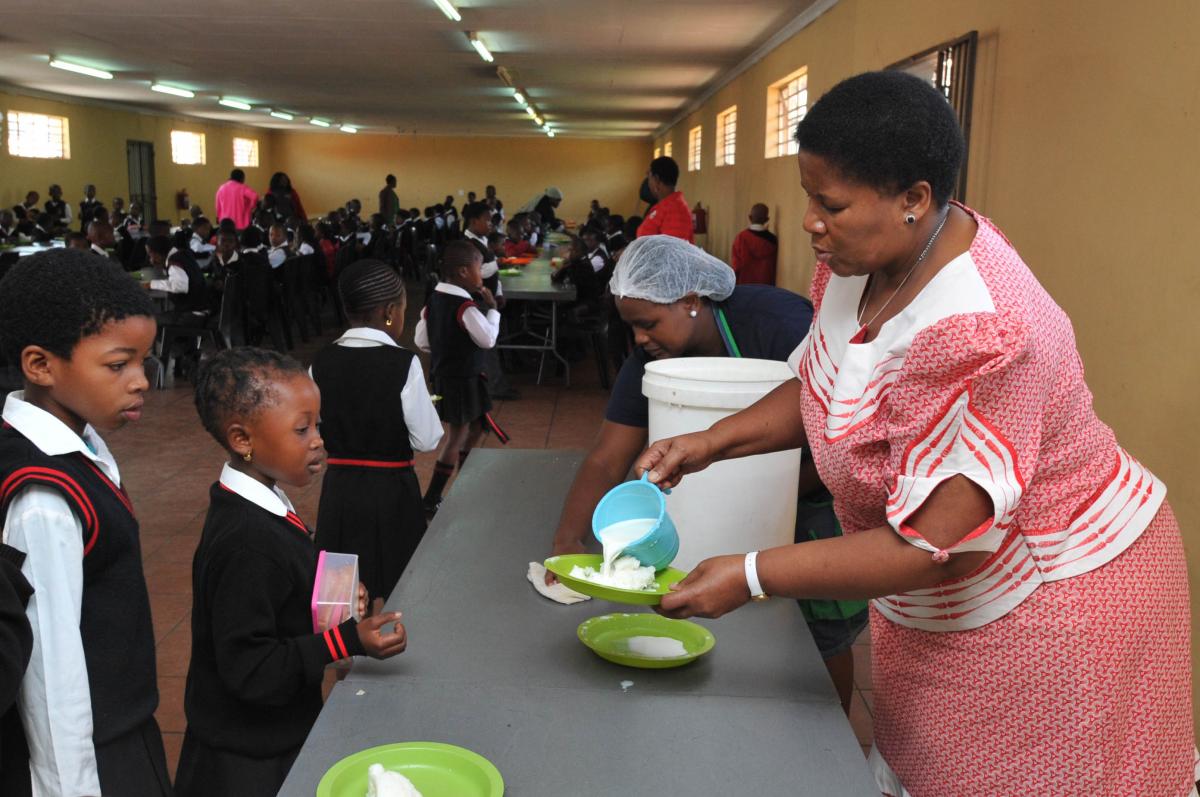
- Daycare feeding schemes: In Nyakallong, Free State, caregivers extended feeding programs into school holidays to support over 200 children.
- Grassroots resilience: Families rely on community kitchens, informal food sharing, and subsistence farming to survive.
Policy Context
While the Department of Health has recently launched updated National Dietary Guidelines to combat obesity and chronic disease, these measures risk being ineffective if food insecurity remains unaddressed. Guidelines promoting traditional foods, reduced sugar intake, and clean water are valuable, but structural reforms—such as ensuring affordable access to nutritious food—are essential.
Broader Implications
- Education: Malnourished children struggle academically, perpetuating cycles of poverty.
- Healthcare burden: Malnutrition increases susceptibility to infections, raising healthcare costs.
- Economic impact: A malnourished workforce undermines productivity and long-term growth.
Challenges Ahead
- Food industry resistance: Ultra-processed food companies may lobby against stricter regulations.
- Behavioral change: Shifting entrenched dietary habits requires sustained education.
- Affordability: Without subsidies or systemic reform, nutritious food remains out of reach for millions.
Conclusion
The Hungry for Change series has laid bare the intersection of hunger, health, and inequality in South Africa. Addressing this crisis requires more than dietary guidelines—it demands structural transformation of food systems, stronger social safety nets, and community-driven solutions. Without urgent action, the nation risks a generation of children growing up malnourished, stunted, and unable to reach their full potential.



