




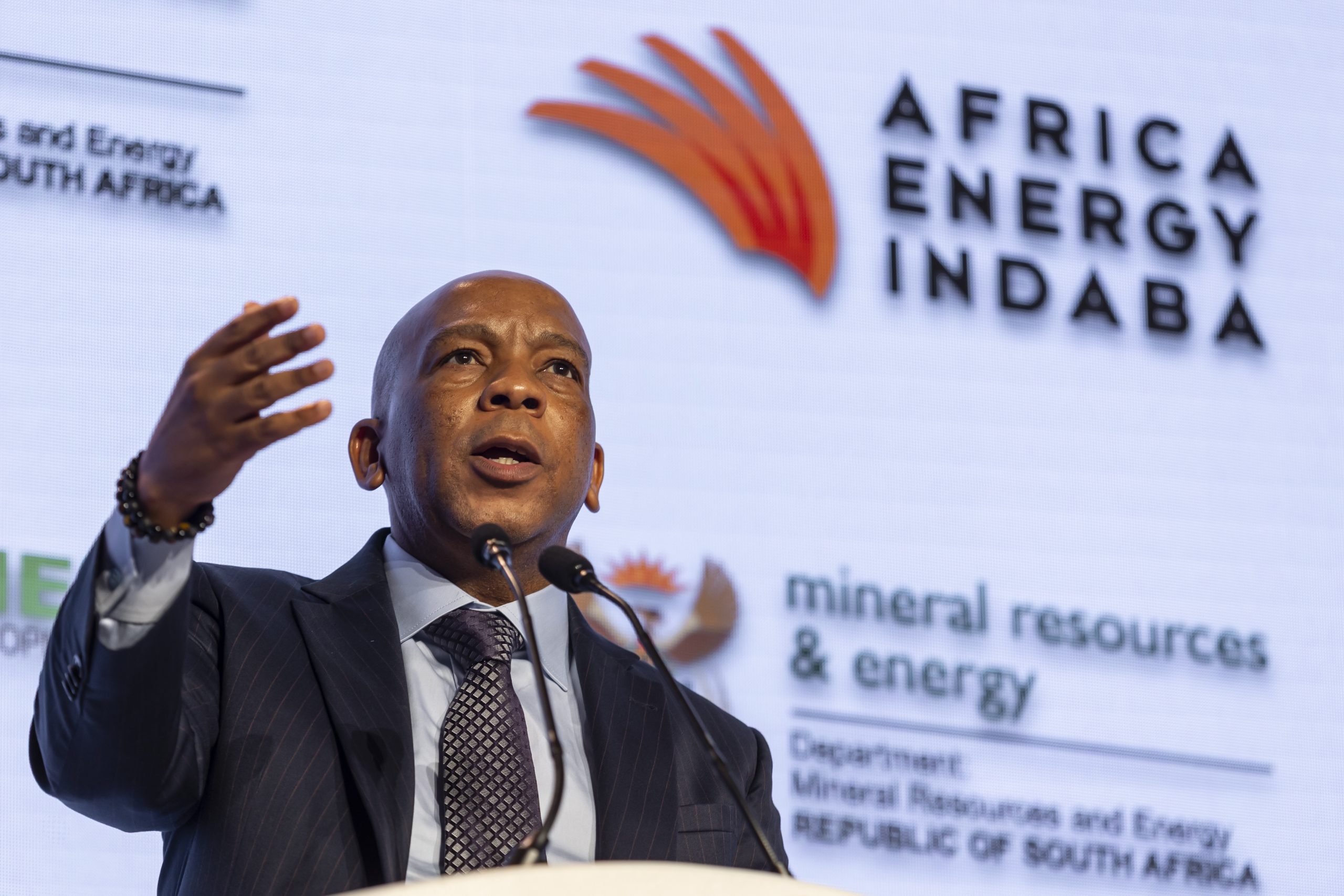
“South Africa’s Minister of Electricity and Energy, Kgosientsho Ramokgopa, met with Iran’s Oil Minister Mohsen Paknejad at the BRICS Energy Ministers’ Meeting in India to discuss expanding bilateral cooperation in energy trade. The talks emphasized collaboration in oil, electricity, and renewable energy, positioning both nations to strengthen their roles in global energy markets.”
South Africa’s trade landscape is undergoing a significant shift as the country deepens its cooperation with Iran in the energy sector. The announcement, made during the 11th BRICS Energy Ministers’ Meeting in Gurugram, India, highlights a strategic alignment that could reshape South Africa’s trade relations and energy security. This partnership comes at a time when South Africa is seeking to diversify its energy sources and strengthen its global trade footprint.
Background: South Africa’s Energy Challenges
South Africa has long grappled with electricity shortages, rolling blackouts, and dependence on coal. The government has prioritized diversifying energy sources, including renewables, natural gas, and international partnerships. Iran, with its vast oil and gas reserves, presents a valuable partner for South Africa’s energy ambitions.
The BRICS Context
The BRICS bloc—Brazil, Russia, India, China, and South Africa—has increasingly positioned itself as a counterweight to Western-led economic frameworks. The 2026 summit emphasized resilience, innovation, cooperation, and sustainability. Energy ministers discussed global challenges such as climate change, energy security, and the transition to renewables. South Africa’s engagement with Iran fits into this broader agenda of strengthening South-South cooperation.
Details of the Agreement
- Oil and Gas Trade: Iran’s Oil Minister Mohsen Paknejad emphasized Iran’s readiness to supply oil and gas to South Africa, potentially reducing reliance on traditional suppliers.
- Electricity Cooperation: South Africa’s Minister Ramokgopa highlighted opportunities for collaboration in electricity generation and grid modernization.
- Renewables and Innovation: Both nations expressed interest in joint projects in solar and biofuels, aligning with BRICS’ sustainability goals.
Strategic Importance
This cooperation is significant for several reasons:
- Diversification of Trade Partners: South Africa reduces dependence on Western energy suppliers.
- Strengthening BRICS Unity: The partnership underscores BRICS’ role in reshaping global trade dynamics.
- Energy Security: Access to Iranian oil and gas could stabilize South Africa’s energy supply.
Economic Implications
South Africa’s economy, heavily reliant on mining and manufacturing, requires stable energy inputs. By partnering with Iran:
- Industrial Growth: Reliable energy supports industrial expansion.
- Trade Balance: Increased imports from Iran could be offset by South African exports of minerals and manufactured goods.
- Job Creation: Energy projects could generate employment in both countries.
Geopolitical Considerations
The partnership is not without challenges:
- Sanctions on Iran: Western sanctions could complicate trade logistics and financing.
- Global Energy Politics: Aligning with Iran may strain South Africa’s relations with Western allies.
- Regional Dynamics: South Africa’s leadership role in Africa could be influenced by how this partnership is perceived continentally.
Expert Opinions
Trade analysts note that while the partnership offers opportunities, South Africa must carefully navigate sanctions and geopolitical risks. Energy experts emphasize the importance of balancing fossil fuel imports with renewable energy investments.
Future Outlook
The cooperation between South Africa and Iran is expected to expand in the coming years, with potential projects in:
- Joint oil refineries
- Solar energy farms
- Biofuel research initiatives
If successfully implemented, this partnership could mark a turning point in South Africa’s trade and energy strategy.



