




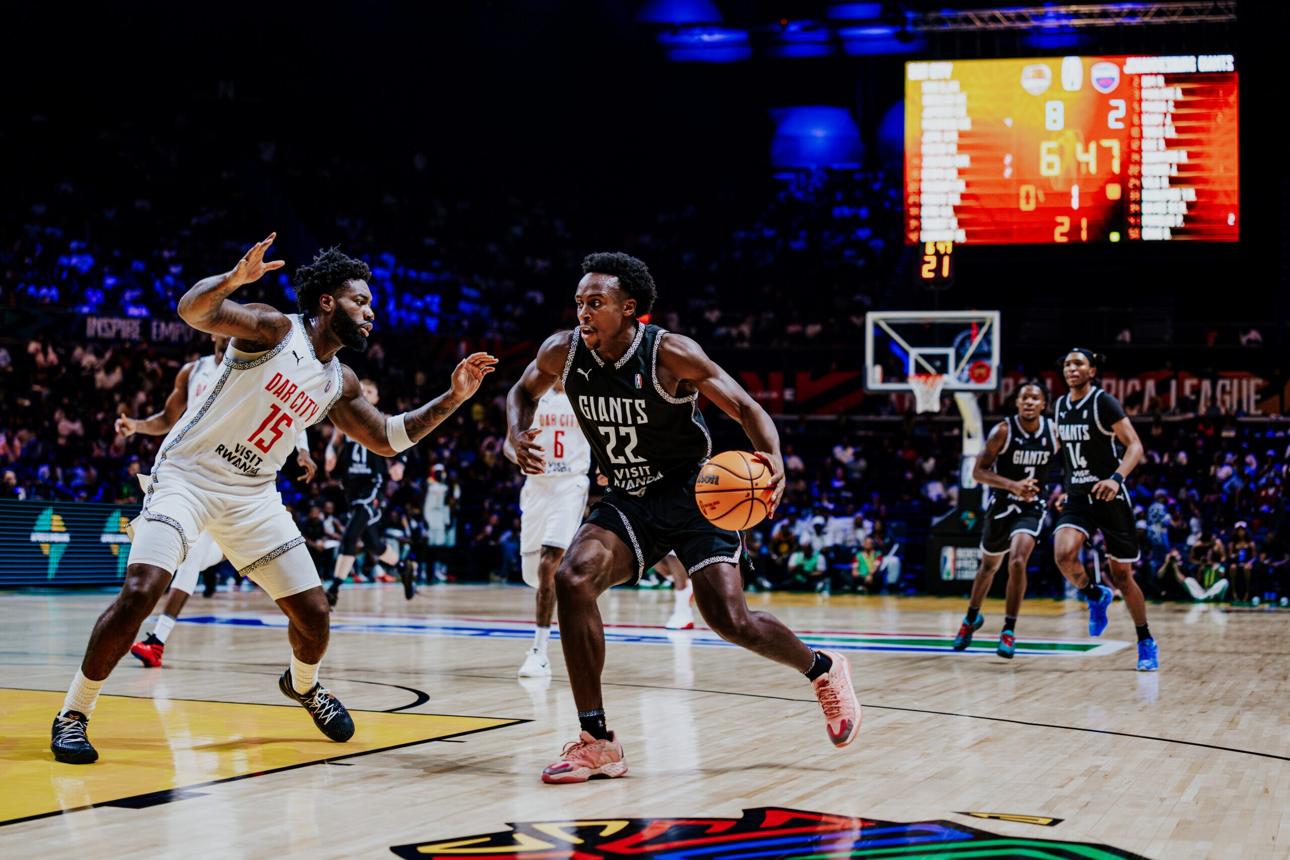
The Johannesburg Giants have emerged as one of the most significant recent developments in South African basketball, following their national success and historic participation in the 2026 Basketball Africa League. Their progress is strengthening South Africa’s position in African club basketball while drawing greater attention to player development, professional structures and the future of the domestic game.”
Johannesburg Giants Signal a New Era for South African Basketball as the Sport Builds Continental Momentum
South African basketball is entering an important period of growth, with the Johannesburg Giants emerging as one of the clearest examples of how domestic clubs can develop into competitive forces on the African continent. Although no major South African basketball story meeting the specific “published today” requirement could be independently verified for 5 October 2026, the Giants’ rapid rise remains one of the most significant recent developments in the country’s basketball landscape.
The Johannesburg Giants were founded in 2025 and are based in Sandton, Johannesburg. The club grew from the Johannesburg Basketball Academy, which was established in 2016, creating a structure that combines youth development with professional basketball ambitions. In their inaugural season, the Giants won the 2025 South African National Club Championship and subsequently secured qualification for the 2026 Basketball Africa League through the Road to BAL competition.
That achievement represents more than a single club’s success. It demonstrates the growing possibility that South African basketball organisations can build sustainable pathways from academy-level development to professional and continental competition.
A Significant Step onto the African Stage
The 2026 Basketball Africa League season provided the Johannesburg Giants with their first opportunity to compete at the highest level of African club basketball. The league’s sixth season featured 12 clubs representing countries from across the continent, with the competition beginning in Pretoria before moving to Morocco and Rwanda for subsequent stages.
South Africa’s inclusion was particularly significant because the Johannesburg Giants were among the first-time BAL participants in the 2026 season. Their presence placed a South African club alongside established continental basketball organisations such as Petro de Luanda, Al Ahly and other leading teams.
The BAL’s decision to include new clubs from several African countries also reflects the broader development of the sport. The 2026 field included first-time participants from Tanzania, Côte d’Ivoire, Nigeria, South Africa and Tunisia. This expansion has created additional opportunities for players, coaches, administrators and commercial partners across the continent.
For South Africa, the Giants’ participation provided a valuable opportunity to measure domestic talent against some of Africa’s strongest professional basketball programmes.
The Giants’ Development Model Matters
One of the most important elements of the Johannesburg Giants story is the connection between their professional team and the Johannesburg Basketball Academy.
Modern basketball development depends heavily on creating reliable pathways for young players. Instead of treating professional competition as an isolated product, successful basketball systems generally connect grassroots participation, youth coaching, elite competition and professional opportunities.
The Giants’ background provides an example of that approach. Their academy foundation dates back to 2016, giving the organisation years of experience in developing basketball talent before the professional club was established.
That history could prove important for South African basketball because the country’s long-term progress will depend not only on attracting experienced international players but also on producing local talent capable of competing at increasingly higher levels.
The 2026 Giants roster included players such as Nino Dim, Joshua Ozabor, Nkosinathi Sibanyoni and other South African and international talent, with Florsheim Ngwenya serving as head coach.
FIBA’s statistical profile of the Giants also illustrates the contribution of key players. Nkosinathi Sibanyoni, Dhieu Abwok Deing and Nino Dim were among the team’s leading performers during the Road to BAL campaign.
South African Basketball Needs More Continental Exposure
The importance of the Giants extends beyond Johannesburg because South African basketball needs consistent international exposure if it is to grow its competitive standards.
Playing against stronger African teams exposes domestic players to different tactical approaches, physical demands and professional environments. It also gives coaches opportunities to assess their systems against opponents with different playing styles.
That experience can eventually benefit the national basketball structure.
The Basketball Africa League has become particularly important in this regard. Its expanding reach has created a continental platform where African players can compete professionally without necessarily leaving the continent to pursue meaningful opportunities.
For South African players, participation in the BAL can therefore create a bridge between domestic basketball and the international game.
Youth Basketball Remains Critical
Professional success will only have a lasting impact if South Africa continues investing in youth basketball.
Recent local basketball activity demonstrates that interest in the sport exists well beyond professional competition. In September, the second annual Ephraim Mohlakane U14 Basketball Tournament brought together 19 schools from South Africa and neighbouring countries. The event was described as a celebration of youth basketball, school sport and community development.
That type of tournament matters because it gives young players an opportunity to experience organised competition at an early stage.
School basketball can also provide an important talent identification system. Players who demonstrate potential can move into academies, provincial structures and eventually professional clubs.
The challenge for South Africa is ensuring that these pathways are connected. A talented teenager should be able to move from school basketball into a structured development programme without encountering unnecessary barriers.
Grassroots Participation Can Expand the Sport
Basketball’s growth in South Africa also depends on community-level participation.
A recent community event in Finsbury, for example, included basketball alongside soccer, catch ball and other activities. The Heritage Games attracted between 200 and 250 participants and used sport and cultural activities to bring different generations together.
Such events may not receive the same attention as professional competitions, but they are essential to building a sporting culture.
Every major basketball system requires players, coaches, referees, administrators, volunteers and supporters. Grassroots events provide opportunities for all these groups to become involved.
The growth of basketball therefore cannot be measured only by professional league results. Participation numbers, school programmes, community courts, coaching quality and access to competition are equally important indicators.
Commercial Opportunities Are Growing
The professionalisation of African basketball is also creating commercial opportunities.
The 2026 BAL season attracted a record 15 marketing and merchandising partners, demonstrating the increasing commercial interest surrounding African basketball. New partners joined established organisations in supporting the competition, while BAL games were distributed to audiences across Africa and international markets.
For South African basketball, this creates an opportunity to attract sponsors interested in youth development, entertainment, lifestyle, education and sports marketing.
However, commercial growth must be accompanied by strong administration and sustainable financial planning.
A professional basketball club needs more than talented players. It requires reliable facilities, coaching structures, medical support, marketing, ticketing, media operations and youth programmes.
The Johannesburg Giants’ progress therefore provides a useful case study in what can happen when basketball development is organised around a broader institutional structure.
A Bigger Future for South African Basketball
The Giants’ emergence also arrives at an important time for African basketball. The BAL continues to expand its footprint, while FIBA Africa maintains a busy calendar of international competitions and development programmes.
South Africa has the population, urban centres, sporting infrastructure and commercial market needed to become a stronger basketball country.
The challenge is converting those advantages into a consistent development system.
Johannesburg has already demonstrated that a South African club can progress quickly. The next challenge will be maintaining that momentum.
Other cities and provinces will also need stronger basketball programmes. More competitive domestic leagues would give players additional opportunities, while improved coaching and youth structures could broaden the national talent pool.
Women’s basketball must also remain part of this expansion. Sustainable growth should create meaningful opportunities for both male and female athletes, from school level through to professional competition.
Conclusion
The Johannesburg Giants’ rise represents an important chapter in the development of South African basketball. Their transition from an academy-based organisation into a national champion and Basketball Africa League participant shows what can be achieved when player development and professional ambitions are connected.
While there was no independently verified major South African basketball story published on 5 October 2026 that met the exact criteria of this search, the Giants remain a highly relevant story for understanding where the country’s basketball movement is heading.
The broader lesson is clear: South African basketball needs investment at every level.
Professional clubs can provide visibility and ambition. Continental competitions can provide international experience. School tournaments can discover future talent. Community programmes can expand participation. Commercial partnerships can provide resources.
If these elements continue developing together, basketball can strengthen its position within South Africa’s sporting landscape.
The Johannesburg Giants have already shown that South African clubs can compete on the continental stage. The next objective is to ensure that their progress becomes part of a much larger national basketball movement — one capable of producing more elite players, stronger domestic competitions, better facilities and a new generation of supporters.
That is ultimately why the Giants’ story matters. It is not simply about one Johannesburg team. It is about whether South African basketball can turn promising momentum into a sustainable professional future.



