




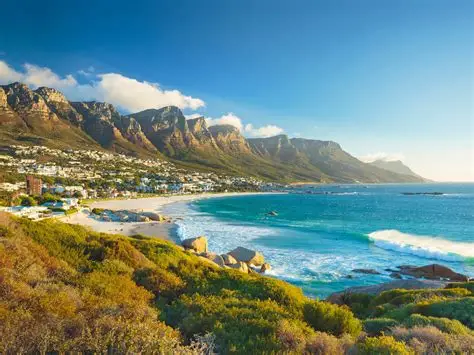
“KwaZulu-Natal has emerged as South Africa’s most talked-about destination today, celebrated for its dramatic coastline, thriving wildlife reserves, and rich Zulu heritage. The region is being promoted as a destination where travelers can experience both ocean adventures and bush safaris in one journey.”
KwaZulu-Natal, often referred to as the “Kingdom of the Zulu,” is making headlines today as South Africa’s most compelling travel destination. The region’s unique geography, where the warm Indian Ocean meets untamed wilderness, offers visitors a rare opportunity to experience both coastal and bush adventures within a single trip. This duality has positioned KwaZulu-Natal as a standout destination in 2026, attracting attention from both domestic and international travelers.
The province’s coastline stretches for hundreds of kilometers, featuring pristine beaches, vibrant coral reefs, and bustling seaside towns. Durban, the largest city in KwaZulu-Natal, remains a hub for cultural diversity and culinary exploration, with its famous Golden Mile offering a mix of surf spots, family-friendly promenades, and world-class restaurants. Beyond Durban, smaller coastal towns such as Umhlanga and Ballito provide luxury resorts and boutique accommodations, catering to travelers seeking exclusivity and relaxation.
Equally captivating are the inland reserves and parks that define KwaZulu-Natal’s wilderness. The Hluhluwe–Imfolozi Park, one of Africa’s oldest game reserves, is renowned for its conservation success, particularly in saving the white rhino from extinction. Visitors can embark on safaris to witness the Big Five—lion, leopard, elephant, buffalo, and rhino—while also engaging with community-led conservation initiatives. The Drakensberg Mountains, a UNESCO World Heritage Site, add another layer of adventure, offering hiking trails, ancient San rock art, and breathtaking vistas.
Cultural heritage is central to KwaZulu-Natal’s appeal. The province is steeped in Zulu traditions, with cultural villages and festivals providing immersive experiences for visitors. The annual Reed Dance, for example, showcases the vibrancy of Zulu customs, while historical sites such as the Battlefields Route connect travelers to South Africa’s colonial and indigenous past. This blend of culture and history enriches the travel experience, making KwaZulu-Natal more than just a scenic destination—it is a place of stories and legacies.
Tourism authorities have emphasized sustainable travel as a cornerstone of KwaZulu-Natal’s growth. Eco-lodges and community-based tourism projects are being promoted to ensure that local communities benefit directly from the influx of visitors. This approach not only preserves the natural environment but also strengthens cultural ties between travelers and residents. The emphasis on sustainability resonates with modern travelers who increasingly seek meaningful and responsible journeys.
Recent developments in infrastructure have further boosted KwaZulu-Natal’s accessibility. Upgrades to King Shaka International Airport and improved road networks have made it easier for tourists to explore the province. Coupled with new hospitality investments, including boutique hotels and wellness retreats, KwaZulu-Natal is positioning itself as a destination that balances adventure with comfort.
The global spotlight on KwaZulu-Natal today reflects a broader trend in South African tourism: the diversification of destinations beyond the traditional draws of Cape Town and Kruger National Park. By highlighting KwaZulu-Natal’s unique combination of ocean, bush, and culture, the country is showcasing its multifaceted appeal to the world. For travelers in 2026, KwaZulu-Natal represents a destination where every journey is layered with discovery, from the roar of the ocean waves to the quiet majesty of the mountains.
In conclusion, KwaZulu-Natal’s rise as South Africa’s most important travel destination today is a testament to its natural beauty, cultural richness, and commitment to sustainable tourism. Whether visitors seek the thrill of a safari, the serenity of a beach holiday, or the depth of cultural immersion, KwaZulu-Natal offers it all. As South Africa continues to expand its tourism narrative, KwaZulu-Natal stands at the forefront, inviting travelers to experience a destination where ocean meets wilderness, and tradition meets modernity.



