




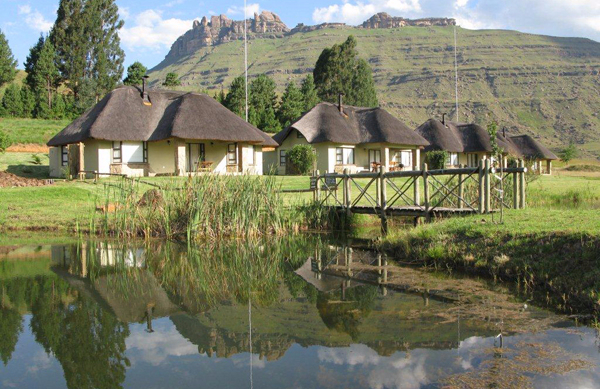
“South Africa’s Southern Drakensberg has become a hotspot for adventure tourism, with Castleburn Resort reporting record visitor numbers as travelers flock to its hiking trails, mountain biking routes, and eco-lodges. This surge reflects a broader trend of eco-conscious adventure travel, positioning the Drakensberg as a premier destination for both domestic and international explorers.”
Adventure tourism in South Africa is entering a new era, with the Southern Drakensberg region emerging as one of the country’s most dynamic destinations. At the heart of this surge is Castleburn Resort, which has reported a significant increase in visitor numbers over the past year. Nestled in the foothills of the Drakensberg mountains, the resort has become a hub for adventure seekers eager to experience the region’s natural beauty and adrenaline-filled activities.
The Drakensberg, long celebrated for its breathtaking landscapes and cultural heritage, is now redefining itself as a center for sustainable adventure travel. Hiking trails that wind through valleys and peaks are attracting both seasoned trekkers and casual walkers, while mountain biking routes offer challenging terrain for thrill-seekers. Castleburn Resort has capitalized on this demand by expanding its offerings, including guided hikes, cycling tours, and eco-friendly accommodations that appeal to environmentally conscious travelers.
One of the key drivers of this boom is the growing global appetite for experiential travel. Tourists are increasingly seeking destinations that combine physical activity, cultural immersion, and environmental stewardship. The Drakensberg delivers on all three fronts. Visitors can explore ancient San rock art sites, engage with local communities, and enjoy the pristine wilderness—all while minimizing their ecological footprint. Castleburn’s commitment to sustainability, including renewable energy initiatives and conservation programs, has further enhanced its appeal.
The economic impact of this adventure tourism surge is already being felt across the region. Local businesses, from equipment rental shops to artisanal food producers, are benefiting from increased foot traffic. Employment opportunities in guiding, hospitality, and conservation have expanded, providing livelihoods for communities that depend on tourism. The resort’s partnerships with local suppliers also ensure that the benefits of tourism are shared more equitably.
Adventure tourism in the Drakensberg is not limited to hiking and biking. The region offers a diverse range of activities, including birdwatching, fishing, and horseback riding. For more daring adventurers, rock climbing and abseiling provide opportunities to test physical limits against the dramatic backdrop of towering cliffs. Seasonal events, such as trail-running competitions and eco-festivals, are further boosting the area’s profile as a year-round destination.
International recognition has also played a role in elevating the Drakensberg’s status. Travel publications and adventure blogs have increasingly featured the region, highlighting its unique blend of natural beauty and sustainable tourism practices. This visibility has attracted visitors from Europe, North America, and Asia, complementing the strong domestic market. Castleburn Resort’s success story is emblematic of how South Africa can leverage its natural assets to compete in the global adventure tourism arena.
Looking ahead, the challenge will be to balance growth with sustainability. While increased visitor numbers bring economic benefits, they also pose risks to fragile ecosystems. Castleburn and other stakeholders are working to implement measures that protect biodiversity, manage waste, and ensure that tourism development does not compromise the region’s long-term viability. Collaboration between resorts, local communities, and government agencies will be crucial in maintaining this balance.
In conclusion, the Southern Drakensberg’s adventure tourism boom represents a significant milestone for South Africa’s travel industry. Castleburn Resort’s rise as a leading destination underscores the potential of eco-conscious adventure travel to drive sustainable growth. As more travelers seek meaningful, active, and environmentally responsible experiences, the Drakensberg is poised to remain at the forefront of South Africa’s adventure tourism landscape.



