




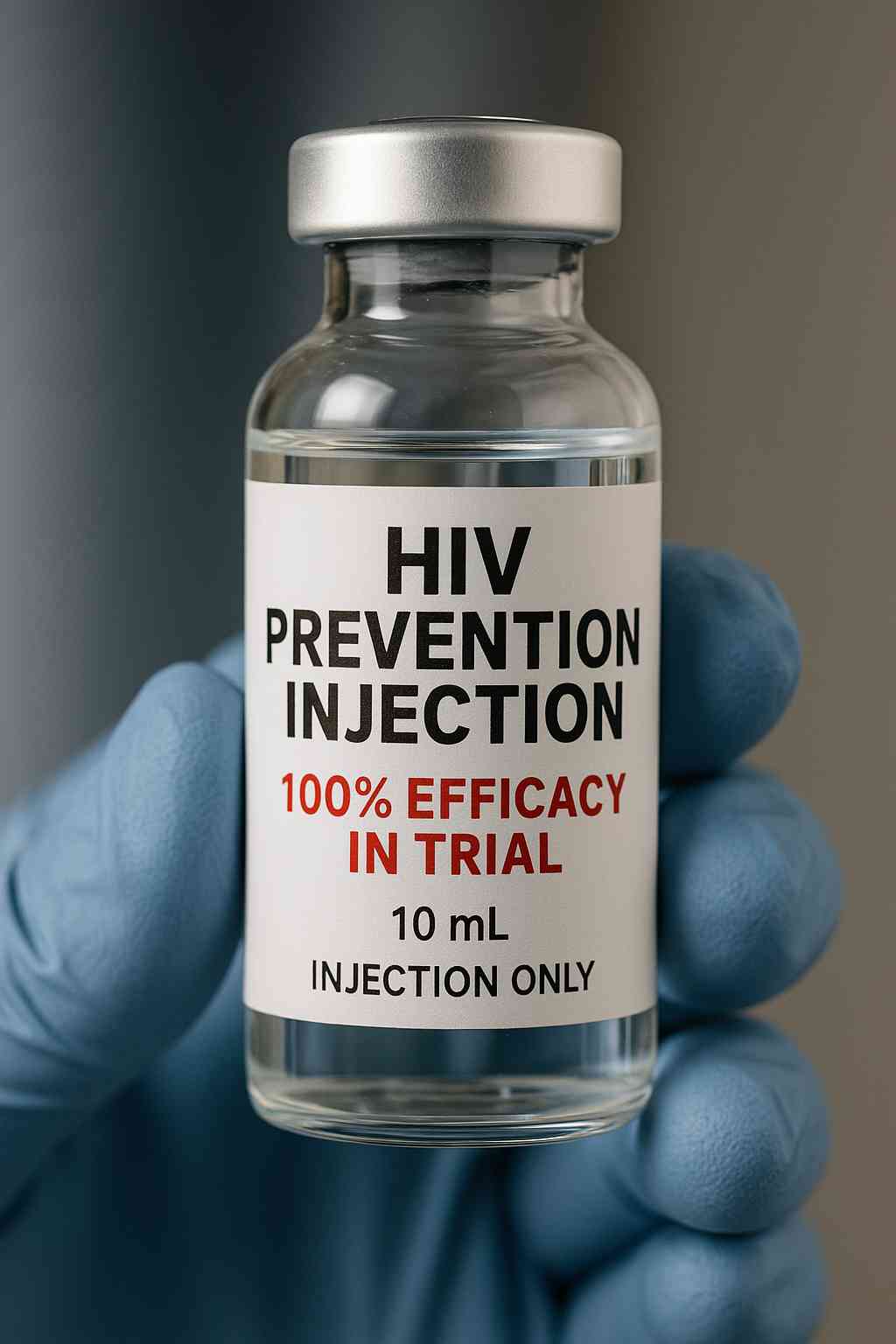
“South Africa’s rollout of lenacapavir, a long-acting HIV prevention injection, has faltered in parts of Pretoria, leaving patients without access to the life-saving drug. The delays expose critical weaknesses in distribution, clinic readiness, and health system coordination at a time when HIV prevention remains a national priority.”
South Africa, home to the world’s largest HIV epidemic, has long been at the forefront of global efforts to combat the virus. The introduction of lenacapavir (LEN), a revolutionary long-acting injectable that requires administration only twice a year, was heralded as a game-changer in HIV prevention. Yet, just weeks into its rollout in Gauteng province, cracks have appeared. Patients in parts of Pretoria are being turned away, unable to access the drug, raising alarm about whether South Africa’s health system is prepared to deliver such innovations effectively.
Background: Why Lenacapavir Matters
- HIV burden in South Africa: Over 7.5 million people live with HIV, and prevention remains critical.
- Lenacapavir’s promise: Unlike daily oral PrEP, LEN offers biannual injections, reducing adherence challenges.
- Global significance: South Africa is among the first countries to adopt LEN, setting a precedent for wider African rollout.
The Rollout Challenges
Reports from Pretoria clinics reveal:
- Supply shortages: Clinics received limited stock, insufficient for demand.
- Training gaps: Healthcare workers lacked adequate preparation for administering LEN.
- System bottlenecks: Patients faced long queues, with some being told to return weeks later.
- Equity concerns: Marginalized communities, including young women and LGBTQ+ individuals, are disproportionately affected.
Patient Voices
Patients expressed frustration:
- “I was told to come back next month. But HIV doesn’t wait,” said one young woman.
- Advocacy groups warn that delays risk undermining trust in new medical innovations.
Expert Analysis
- Public health experts argue that rollout failures stem from structural weaknesses: underfunded clinics, poor logistics, and fragmented communication.
- Policy analysts note that while South Africa has the tools, systemic inefficiencies prevent equitable access.
Government Response
The Gauteng Department of Health acknowledged “teething problems” but insisted LEN rollout would stabilize. Officials promised:
- Expanded training for clinic staff.
- Improved distribution channels to avoid stockouts.
- Monitoring systems to track patient uptake.
Broader Implications
- For HIV prevention: Delays risk slowing progress toward UNAIDS’ 2030 targets.
- For health innovation: South Africa’s ability to integrate breakthrough medicines is under scrutiny.
- For global health: Lessons from Pretoria will inform other countries preparing LEN rollouts.
Conclusion
The LEN rollout in Pretoria underscores a paradox: South Africa has access to cutting-edge HIV prevention tools, yet systemic weaknesses threaten their impact. Unless urgent reforms address supply, training, and equity, the promise of lenacapavir may remain unfulfilled. For patients waiting in clinic queues, the stakes could not be higher.



