




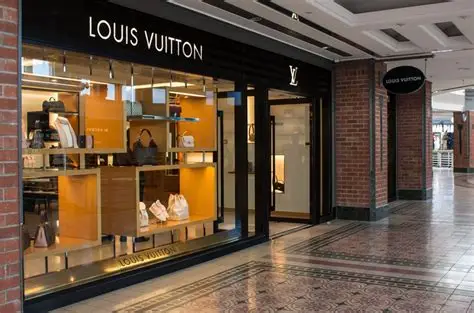
“Louis Vuitton has unveiled a new flagship store at Cape Town’s V&A Waterfront, expanding to 560m² and reinforcing the city’s role as Africa’s luxury fashion capital. The boutique features bespoke design elements, curated art collaborations, and a Winter Garden space overlooking the harbour.”
Cape Town’s fashion and retail landscape has taken a significant leap forward with the opening of Louis Vuitton’s new flagship store at the Victoria & Alfred Waterfront. This expansion not only cements the French luxury house’s commitment to South Africa but also signals the city’s growing importance as a hub for global fashion destinations.
Store Expansion and Design
The new boutique spans 560m², a substantial increase from the previous 340m² footprint, making it one of the largest Louis Vuitton stores in Africa. The façade is intricately carved to resemble the brand’s iconic Epi leather, while the interiors are divided into distinct zones:
- Women’s leather goods and fragrances at the entrance, framed by handcrafted Japanese wallpaper.
- A women’s universe highlighted by macramé Monogram panels.
- A men’s and travel wing finished in French oak and custom leather furnishings.
- The Winter Garden, a plant-filled private appointment space overlooking the Victoria Basin, featuring archival trunks and art by Namibian artist Nicky Marais.
Cultural and Local Collaborations
Louis Vuitton’s Cape Town flagship integrates local artistry and craftsmanship. Furniture by South African brand Weylandts and regional artworks create a dialogue between global luxury and African creativity. This approach reflects a broader trend in fashion destinations where international brands adapt to local cultural contexts.
Impact on Cape Town’s Luxury Market
The opening coincides with the V&A Waterfront’s R207 million luxury wing expansion, which will also host Gucci and Dolce & Gabbana. This positions Cape Town as a genuine luxury retail destination, not merely a stopover for flagship openings. The city’s appeal lies in its blend of cosmopolitan lifestyle, tourism, and cultural heritage, making it a magnet for both local and international shoppers.
Historical Context
Louis Vuitton first entered Cape Town in 2007, later reconfiguring its store in 2019. The 2026 flagship represents a strategic evolution, moving beyond renovations to a purpose-built space that reflects the brand’s long-term investment in South Africa’s luxury market.
Fashion Destination Significance
Cape Town’s rise as a fashion destination is not limited to retail. The city hosts South African Fashion Week, attracts international designers, and nurtures local talent. The Louis Vuitton flagship adds weight to this ecosystem, offering a physical anchor for luxury fashion tourism.
Consumer Experience
The store’s design emphasizes immersive experiences:
- Harbour-facing Winter Garden for private appointments.
- Curated art and furniture collaborations that elevate shopping into cultural engagement.
- Extended operating hours (9am–9pm daily) to accommodate both tourists and locals.
Economic and Social Impact
The expansion contributes to job creation, retail growth, and tourism appeal. It also reinforces South Africa’s role in the global luxury supply chain, attracting investment and positioning Cape Town alongside cities like Dubai and Marrakech as African luxury capitals.
Conclusion
Louis Vuitton’s Cape Town flagship is more than a store—it is a statement of intent. By nearly doubling its footprint, integrating local artistry, and anchoring itself within the Waterfront’s luxury expansion, the brand has elevated Cape Town’s status as a fashion destination. For South Africa, this represents both economic opportunity and cultural recognition, ensuring that the city remains at the forefront of Africa’s luxury fashion narrative.



