




”South Africa’s new Social Development Minister Dina Pule has outlined her department’s priorities, focusing on a sweeping review of the social grants system. The policy shift could reshape household consumption, fiscal planning, and the broader political landscape ahead of the 2026 elections.”
South Africa’s social grants system has long been a cornerstone of the country’s welfare policy, providing direct financial support to millions of citizens. On 21 July 2026, Social Development Minister Dina Pule delivered her first major policy briefing, signaling a new era in the management of grants. Her announcement comes at a time when South Africa faces mounting economic pressures, rising inflation, and political uncertainty ahead of the 2026 local government elections.
Background: The Role of Social Grants
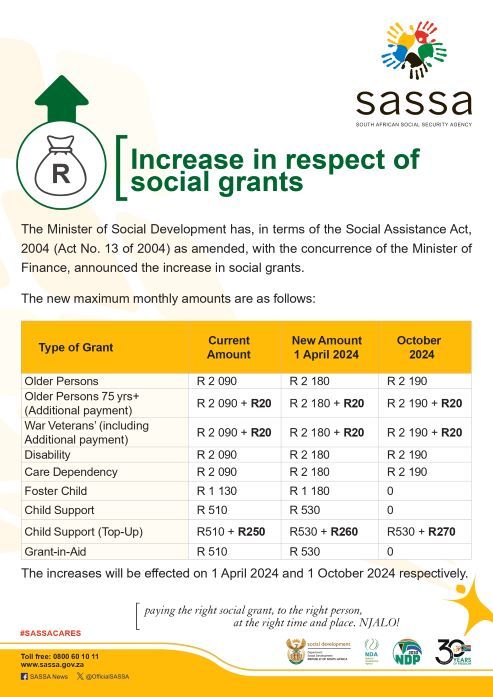
The social grants program is one of the largest in Africa, covering child support, pensions, and disability benefits. It underpins the spending power of a significant portion of South Africa’s population, particularly in low-income households. Analysts estimate that over 18 million South Africans rely on grants, making them a critical driver of consumer demand in sectors such as retail, fast-moving consumer goods, and financial services.
Minister Pule’s Policy Priorities
In her briefing, Pule emphasized three key areas:
- Eligibility Review: Ensuring that grants reach the most vulnerable while preventing fraud and duplication.
- Disbursement Mechanisms: Exploring digital payment systems to improve efficiency and reduce corruption.
- Fiscal Sustainability: Balancing social spending with Treasury’s broader economic goals, especially as inflation pressures mount.
Her approach reflects the government’s recognition that while grants are essential for social stability, they must be managed within the constraints of South Africa’s fiscal framework.
Economic Implications
The timing of the announcement is significant. Statistics South Africa is set to release June’s Consumer Price Index data tomorrow, with inflation expected to rise to 4.9%, driven largely by fuel costs. This creates a delicate balancing act for policymakers: maintaining social support while avoiding unsustainable fiscal deficits.
Political Context
The policy review also carries political weight. With the African National Congress (ANC) preparing for the 2026 local government elections, the grants system is a powerful tool for shaping voter sentiment. Any changes—whether tightening eligibility or expanding coverage—could influence electoral outcomes, particularly in urban centers like Johannesburg, where economic inequality remains stark.
Stakeholder Reactions
- Civil Society Groups: Welcomed the review but warned against cuts that could deepen poverty.
- Business Sector: Expressed concern about potential disruptions to consumer spending.
- Opposition Parties: Criticized the ANC for using grants as a political instrument rather than a sustainable policy solution.
Long-Term Outlook
Experts argue that South Africa must integrate social grants into a broader economic development strategy. This includes job creation, skills training, and investment in infrastructure to reduce dependency on welfare. Minister Pule’s emphasis on digital disbursement systems could also align with broader government efforts to modernize public services.
Conclusion
Minister Dina Pule’s policy briefing marks a turning point in South Africa’s political and economic trajectory. The social grants review will not only affect millions of households but also shape the country’s fiscal stability and electoral politics in the months ahead. As inflation rises and political competition intensifies, the grants system remains both a lifeline for citizens and a battleground for policymakers.



