




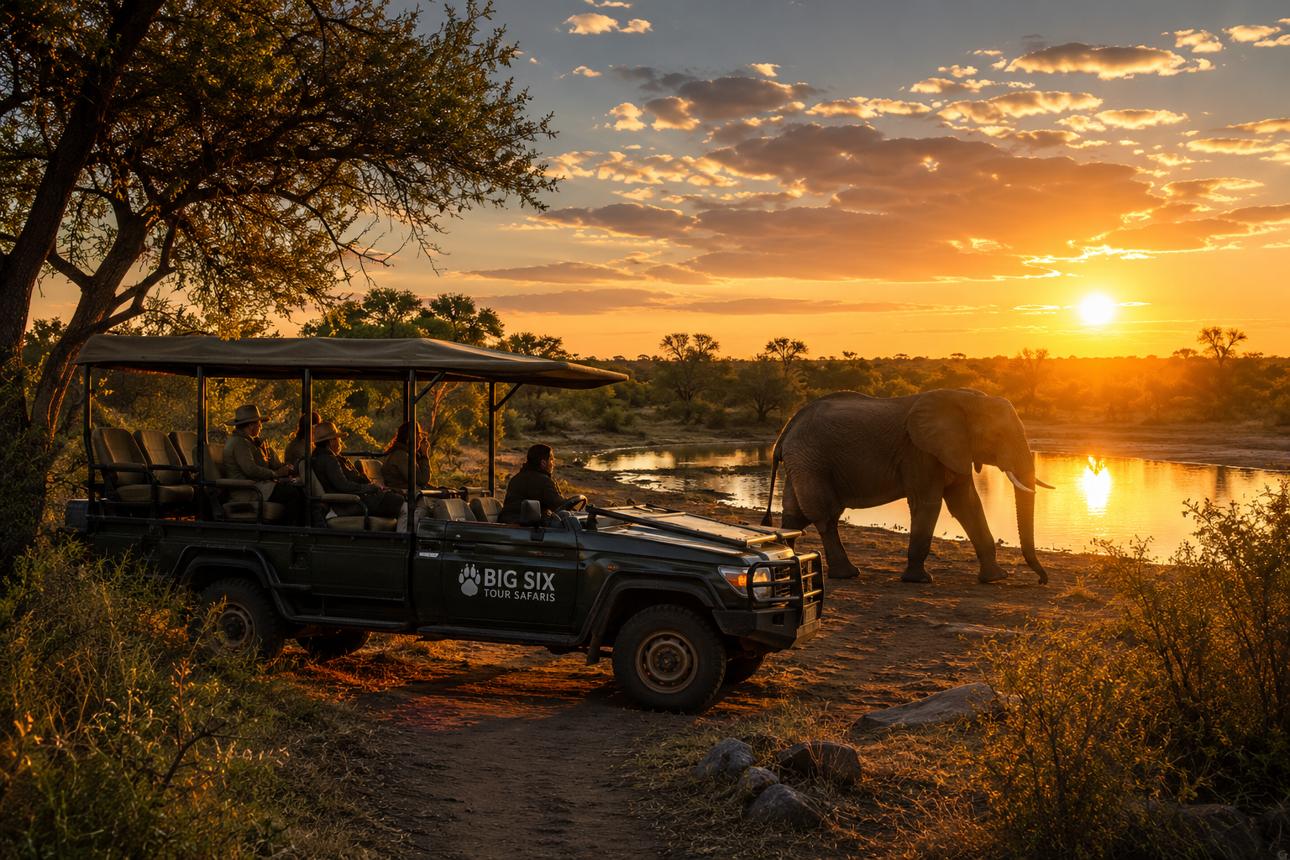
“Mpumalanga attracted about 2.7 million visitors in 2025, but tourism leaders say the province is capturing only a small share of visitor spending, highlighting the need for stronger destination development. The focus is shifting toward encouraging tourists to stay longer, experience more attractions, travel safely and spend more with local businesses and communities.”
Mpumalanga is attracting large numbers of tourists, yet tourism leaders say the destination is not capturing enough economic value from those visits. A TimesLIVE report published on 27 September 2026 says about 2.7 million visitors travelled to the province in 2025, while the Kruger Lowveld Chamber of Business and Tourism estimates that only about 8% of tourist spending took place in Mpumalanga.
The figures place destination development, rather than visitor numbers alone, at the centre of the province’s tourism conversation. The issue is how to encourage travellers to stay longer, move safely, buy local products, participate in activities and contribute more directly to businesses and communities for local tourism businesses and communities.
The concerns were raised by chamber CEO Oupa Pilane at the Mpumalanga tourism expo in Mbombela. According to TimesLIVE, Pilane described the province as having a strong tourism “showroom”, but argued that many attractions do not yet provide enough opportunities for visitors to spend beyond an entrance fee.
That distinction is important for a province whose tourism appeal combines wildlife, scenery, adventure, culture and road-trip experiences. Mpumalanga includes the Kruger Lowveld, Panorama Route and Blyde River Canyon area, as well as waterfalls, mountain landscapes, heritage sites and hiking.
The challenge identified by tourism leaders is therefore one of converting attractions into complete destinations. A visitor who arrives, takes photographs and leaves may contribute relatively little to accommodation providers, restaurants, guides, transport operators, craft sellers and activity businesses. A visitor who stays several nights and takes part in several experiences creates a much broader economic chain.
Pilane used Bourke’s Luck Potholes as an example. As reported by TimesLIVE, visitors can pay an entrance fee and find limited opportunities to spend further money on food, drinks, activities or other services. He contrasted this with Graskop Gorge, where additional products and activities have been developed. TimesLIVE reported that the expanded offering can encourage visitors to spend more time and money.
The lesson for destination managers is that natural attractions can be starting points rather than complete tourism products. Scenic viewpoints, waterfalls, wildlife areas and heritage sites can become stronger visitor experiences when they are connected with guided activities, interpretation, local food, retail opportunities, cultural experiences, transport and accommodation.
This approach could also help small businesses. Tourism expenditure does not automatically reach nearby communities simply because visitors pass through an area. Local enterprises need opportunities to participate in the visitor journey. These can include locally produced crafts, food, cultural performances, guiding services, adventure activities, photography, transport, farm experiences and other services that give travellers reasons to remain in the area.
That matters because tourism income can circulate through many parts of local economy.
Another issue highlighted in the report is the need for greater product diversity. Pilane said vendors along some tourism routes can end up selling similar products, which gives visitors little reason to purchase from several businesses. More varied products could create a stronger commercial environment while giving travellers a wider range of experiences.
Destination development also depends on how easily visitors can move around. TimesLIVE reported concerns from a visitor from Mozambique about the lack of e-hailing services, transport costs and personal safety. The visitor said these factors had affected the family’s willingness to visit some attractions and had increased reliance on their own vehicle.
Transport is particularly important in a province where attractions can be spread across large distances. Visitors who have difficulty moving between accommodation, restaurants, shopping areas and attractions may shorten their trips or limit their activities. Better mobility can therefore affect not only convenience but also how much time tourists spend in a destination.
Safety is another part of the wider destination-development question. The TimesLIVE report included concerns from visitors about crime and police visibility. These are visitor perceptions and individual experiences rather than a comprehensive measurement of crime across the province, but they illustrate why tourism planning can involve agencies beyond the tourism department.
Pilane argued that Mpumalanga should take a broader destination-development approach involving roads, transport, safety and social development, rather than treating tourism as the responsibility of one government department. That proposal reflects the interconnected nature of travel. A destination depends on infrastructure, public spaces, transport, security, communications, business services and visitor information as well as attractions.
The timing is significant because September is Tourism Month in South Africa, while World Tourism Day is observed on 27 September. The Department of Tourism says Tourism Month promotes domestic travel, showcases tourism offerings and highlights the sector’s economic contribution. In 2026, South Africa is observing World Tourism Day under “Growing South Africa’s Tourism Sector in the Digital Era”, linked to the international focus on digital technology and artificial intelligence.
Digital tools could become part of the response to Mpumalanga’s destination-development challenge. Accurate online information can help visitors discover attractions beyond the best-known sites, compare experiences, find local businesses, plan routes and book activities. Tourism operators can also use digital marketing to present a destination as a multi-day experience rather than a collection of isolated stops.
The province’s tourism businesses also face the question of how to extend stays. TimesLIVE reported Pilane’s observation that some travellers spend only a day or two in Mpumalanga before moving on. Creating linked itineraries could help address this pattern. A visitor could combine wildlife with scenic drives, adventure activities, cultural experiences, food, wellness or heritage attractions instead of treating the province as a short stop on a longer journey.
The provincial tourism economy also has examples of enterprise development. The Department of Tourism recently highlighted Hotel 247 in White River, a black women-owned hospitality business whose refurbished restaurant was launched in September 2026. The department said the establishment has 52 en-suite rooms, restaurant and conference facilities, demonstrating how accommodation businesses can support longer stays.
For Mpumalanga, the current discussion therefore moves beyond the question of whether tourists want to visit. The reported visitor numbers indicate substantial demand. The more difficult question is how the province can build an environment in which those visitors stay longer, experience more attractions, spend across more businesses and feel confident moving around.
That process would require coordination between government, tourism bodies, municipalities, communities and private operators. It would also require measurement. Visitor numbers alone cannot show whether tourism is generating broad local benefits. Indicators such as length of stay, local expenditure, repeat visits, employment, business participation and visitor satisfaction can provide a fuller picture of destination performance.
For travellers, the story also highlights the breadth of Mpumalanga beyond a single safari or scenic stop. The province’s combination of wildlife, mountains, waterfalls, adventure, heritage and hospitality creates opportunities for multi-day travel. For tourism businesses, the message is that the visitor journey continues after the entrance gate.
As South Africa marks World Tourism Day and concludes Tourism Month activities, Mpumalanga’s tourism debate illustrates a wider issue facing destinations: attracting people is only the first stage. The next stage is creating connected experiences that encourage visitors to stay, explore and spend while ensuring that local communities and businesses participate in the benefits.
The 2.7 million visitors reported for 2025 demonstrate the opportunity, while the reported 8% spending share highlights the gap. The challenge is turning visitor volume into longer stays, broader spending, and stronger local economic participation.



