




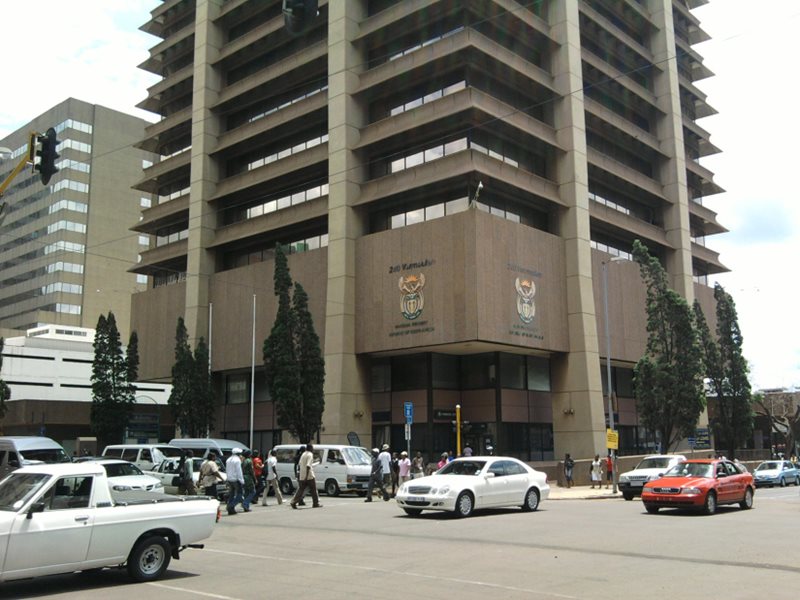
“The National Treasury has withheld funds from Johannesburg and 68 other municipalities after uncovering billions in wasted expenditure, citing weak accountability and irregular financial practices. Officials stress this is a corrective measure aimed at enforcing fiscal discipline, but critics warn it could worsen service delivery failures in already struggling communities.”
South Africa’s governance landscape faces a new reckoning as the National Treasury announced on July 7, 2026, that it is withholding funds from Johannesburg and 68 municipalities. This unprecedented move, framed as corrective rather than punitive, underscores the state’s growing frustration with persistent irregular expenditure and weak accountability mechanisms. The decision has ignited fierce debate across political, economic, and civil society circles, raising questions about the balance between fiscal discipline and the urgent need for service delivery.
Background: The Scale of Irregular Expenditure
According to Treasury reports, over R2 billion in irregular expenditure was identified across multiple municipalities. These funds were allegedly mismanaged through unauthorized contracts, inflated procurement costs, and poor oversight. Johannesburg, South Africa’s economic hub, was singled out due to its outsized budget and recurring governance failures. Smaller municipalities, many already struggling with infrastructure decay and limited revenue bases, were also implicated.
Treasury’s Position
Treasury officials emphasized that the suspension is not intended as punishment but as a corrective intervention. By withholding funds, the state aims to compel municipalities to adopt stricter financial controls, improve transparency, and prioritize accountability. Minister Solly Malatsi stated, “The era of drift must end. Municipalities cannot continue to waste billions while citizens suffer from failing services.”
Political Reactions
- African National Congress (ANC): The ruling party defended the move, arguing that fiscal discipline is essential to restore public trust.
- Democratic Alliance (DA): Opposition leaders criticized the Treasury, warning that withholding funds could exacerbate service delivery crises, particularly in water, electricity, and sanitation.
- Economic Freedom Fighters (EFF): The EFF accused the government of scapegoating municipalities while failing to address systemic corruption at national level.
Impact on Service Delivery
The immediate concern is the effect on basic services such as water supply, electricity maintenance, and waste management. Johannesburg residents already face rolling blackouts, deteriorating roads, and unreliable public transport. Smaller municipalities risk collapsing entirely if funding gaps are not quickly resolved. Civil society organizations warn that vulnerable communities will bear the brunt of the suspension.
Governance and Accountability Challenges
The crisis highlights structural weaknesses in South Africa’s municipal governance system:
- Weak oversight: Municipal councils often lack capacity to monitor complex budgets.
- Political interference: Procurement processes are frequently manipulated for patronage.
- Limited skills: Many municipalities struggle to attract qualified financial managers.
Economic Implications
Economists argue that the suspension could have short-term negative effects on local economies, particularly in Johannesburg, where municipal contracts support thousands of jobs. However, in the long term, enforcing accountability may stabilize municipal finances and improve investor confidence.
Public Sentiment
Public reaction has been mixed. Urban residents express frustration at deteriorating services, while rural communities fear deeper marginalization. Social media debates reflect a growing demand for systemic reform rather than piecemeal interventions.
International Perspective
South Africa’s fiscal discipline is closely watched by international credit rating agencies. The Treasury’s move may be seen as a positive step toward restoring credibility, but the risk of social unrest due to service delivery failures remains high.
Conclusion
The suspension of funds to Johannesburg and 68 municipalities marks a watershed moment in South African policy under politics. It reflects the government’s determination to enforce accountability but also exposes the fragility of local governance structures. Whether this intervention leads to reform or deepens crisis will depend on how municipalities respond in the coming months.



