




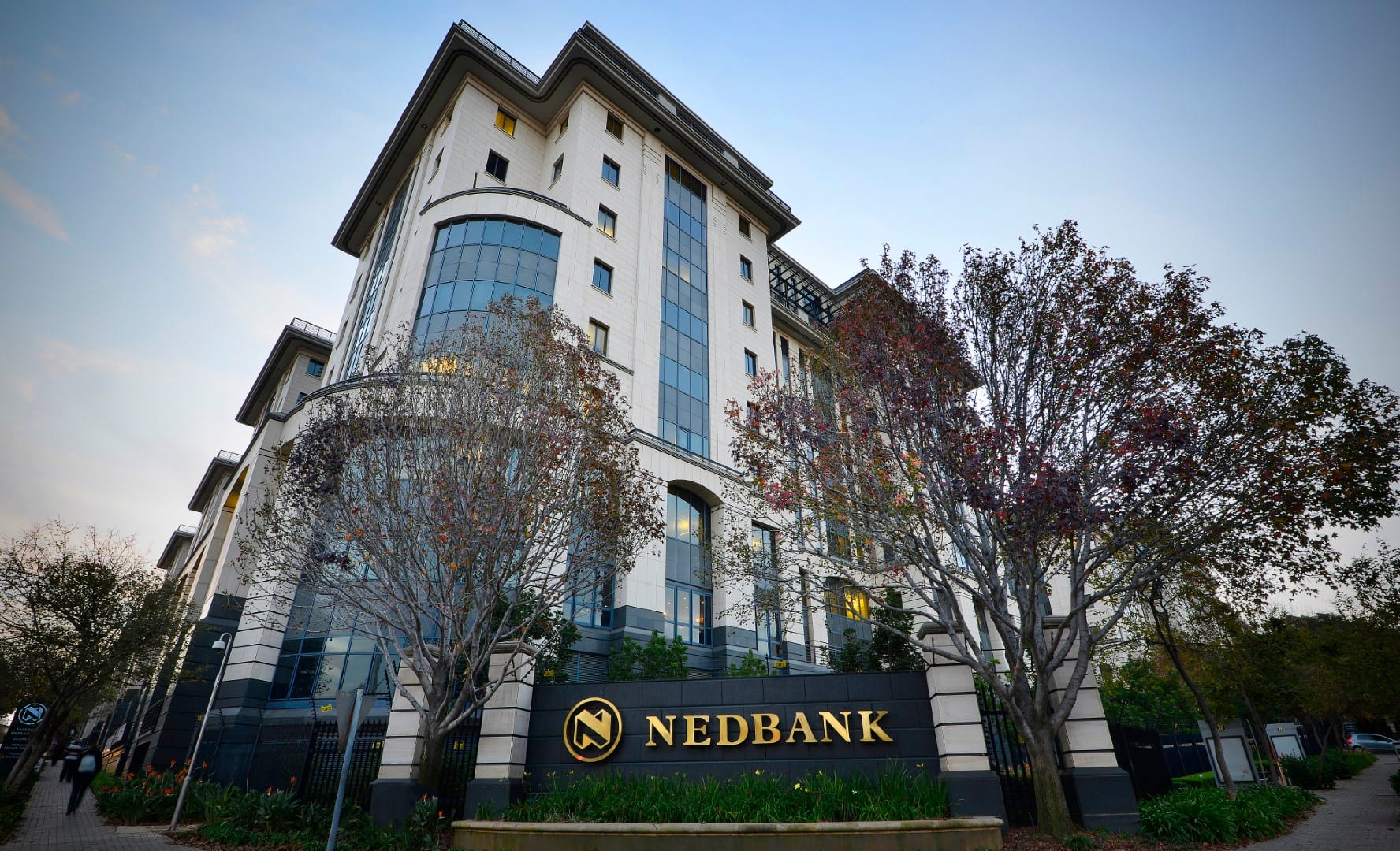
“Nedbank’s latest economic outlook highlights that South Africa’s inflationary pressures have peaked, but the Reserve Bank is unlikely to cut interest rates soon, leaving borrowing costs elevated. This environment is expected to slow growth, squeeze household budgets, and challenge corporate investment strategies.”
Introduction
South Africa’s financial landscape is entering a critical juncture as Nedbank’s June 2026 economic outlook underscores a paradox: inflationary pressures are easing, yet interest rates remain stubbornly high. For consumers, corporates, and policymakers, this signals a prolonged period of constrained growth, tighter credit conditions, and cautious investment sentiment.
Inflationary Trends
- Peak Inflation: Nedbank reports that inflation has reached its peak, driven largely by prior energy price shocks, food costs, and global supply chain disruptions.
- Easing Pressures: Recent moderation in oil prices and improved agricultural output are expected to ease consumer price inflation in the second half of 2026.
- Persistent Risks: However, risks remain from currency volatility (USD/ZAR at 16.61 today) and geopolitical tensions affecting commodity markets.
Interest Rate Outlook
- Reserve Bank Policy: The South African Reserve Bank (SARB) has maintained a hawkish stance, prioritizing financial stability over short-term growth.
- Higher-for-Longer Rates: Nedbank forecasts no immediate scope for rate cuts, with lending rates expected to remain elevated through 2026.
- Impact on Borrowing: This environment raises borrowing costs for households and corporates, dampening demand for mortgages, car loans, and business expansion credit.
Consumer Impact
- Household Budgets: Elevated interest rates mean higher debt servicing costs, squeezing disposable income.
- Confidence Levels: Consumer confidence remains fragile, with households delaying major purchases and shifting spending toward essentials.
- Savings vs. Spending: While higher rates encourage savings, they simultaneously reduce consumption, slowing retail and service sector growth.
Corporate Sector Challenges
- Investment Slowdown: Corporates face higher financing costs, discouraging capital expenditure and expansion projects.
- Sectoral Effects:
- Property Development: Projects like GrandWest’s R650m mall development highlight resilience, but financing challenges loom.
- Mining & Manufacturing: These sectors remain vulnerable to global demand shocks and elevated input costs.
- Mid-Corporate Market: Nedbank’s “grand tour” of South Africa’s mid-corporate investment market reveals cautious optimism but limited risk appetite.
Broader Economic Implications
- GDP Growth: Nedbank projects slower GDP growth for 2026, with expansion constrained by weak domestic demand and cautious investment.
- Employment: Sluggish growth risks job creation, particularly in construction, retail, and services.
- Fiscal Policy: Government spending priorities may shift toward stabilizing public finances and supporting vulnerable households.
Global Context
- US-China Rivalry: Global investment risks tied to US-China tensions and rare earth supply chains continue to affect South Africa’s trade outlook.
- Commodity Prices: Copper and gold markets remain volatile, influencing South Africa’s export revenues.
- Foreign Investment: Higher local rates may deter foreign direct investment, as investors weigh returns against risk.
Strategic Recommendations
- For Policymakers: Balance inflation control with growth stimulation, possibly through targeted fiscal support.
- For Businesses: Focus on efficiency, cost management, and selective investment in resilient sectors like property and renewable energy.
- For Consumers: Prioritize debt reduction, savings, and cautious spending to weather prolonged high interest rates.
Conclusion
Nedbank’s June 2026 outlook paints a sobering picture: inflationary relief is on the horizon, but South Africa’s economy will continue to grapple with elevated interest rates. For households, corporates, and policymakers, the challenge lies in navigating this “higher-for-longer” environment while safeguarding growth and stability.



