




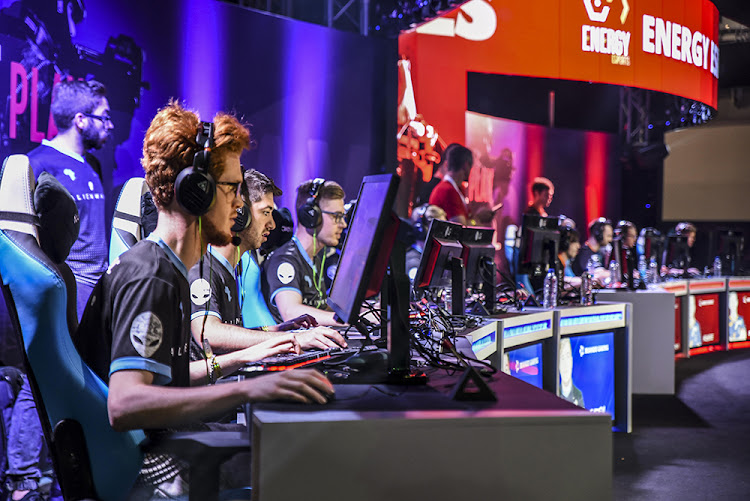
“ParadoX Gaming, a Johannesburg-based esports team, has stunned the global community by qualifying as Africa’s only representative at the Paris Esports Readiness Test. Their success underscores South Africa’s growing potential in competitive gaming while spotlighting the systemic challenges of funding, infrastructure, and visibility across the continent.”
South African esports has long hovered on the edge of global recognition, but the recent qualification of ParadoX Gaming at the Paris Esports Readiness Test marks a watershed moment. As the only African team to secure a spot, ParadoX has become a symbol of resilience, ambition, and the continent’s untapped potential in competitive gaming. This achievement is not just about one team—it represents a broader narrative of South Africa’s esports journey, its triumphs, and its challenges.
The Paris Esports Readiness Test: Why It Matters
The Paris Readiness Test is more than just another tournament. It serves as a gateway to global esports visibility, offering teams the chance to enter premier circuits, attract sponsorships, and gain international recognition. For South Africa, ParadoX’s qualification means the region finally has a seat at the table in conversations about competitive gaming excellence.
ParadoX Gaming’s Rise
Founded in Johannesburg, ParadoX Gaming began as a grassroots team competing in local LAN events. Over the past three years, they have steadily climbed the ranks, dominating regional qualifiers in Valorant and Counter-Strike 2. Their success in Paris was built on disciplined training, innovative strategies, and a commitment to professional standards often lacking in African esports ecosystems.
Challenges Facing South African Esports
Despite ParadoX’s success, the broader esports landscape in South Africa remains fragile:
- Funding gaps: Teams often rely on self-financing, with limited sponsorship opportunities compared to Europe or Asia.
- Infrastructure issues: Poor internet connectivity and lack of dedicated esports arenas hinder competitive readiness.
- Visibility struggles: African teams rarely receive coverage on global platforms, making it harder to attract investment.
Regional Impact
ParadoX’s qualification is more than a team victory—it is a continental milestone. For aspiring players across South Africa and Africa, this achievement proves that global competitiveness is possible. It also places pressure on policymakers and investors to recognize esports as a legitimate industry with economic and cultural value.
Voices from the Community
Local esports leaders have hailed ParadoX’s success as a turning point:
- Community organizers argue that this moment should spark greater investment in grassroots tournaments.
- Players see ParadoX as proof that African talent can thrive internationally if given the right support.
Looking Ahead
The road ahead for ParadoX Gaming is filled with both promise and challenges. Their participation in the Paris Readiness Test will expose them to the highest levels of competition, testing their skills against global powerhouses. Success here could open doors to sponsorships, media coverage, and further opportunities for South African esports.
Conclusion
ParadoX Gaming’s qualification at the Paris Esports Readiness Test is a landmark achievement for South African esports. It demonstrates that with determination, discipline, and vision, African teams can compete on the world stage. Yet, it also highlights the urgent need for investment, infrastructure, and visibility to ensure that this breakthrough is not an isolated event but the beginning of a new era for esports in South Africa.



