




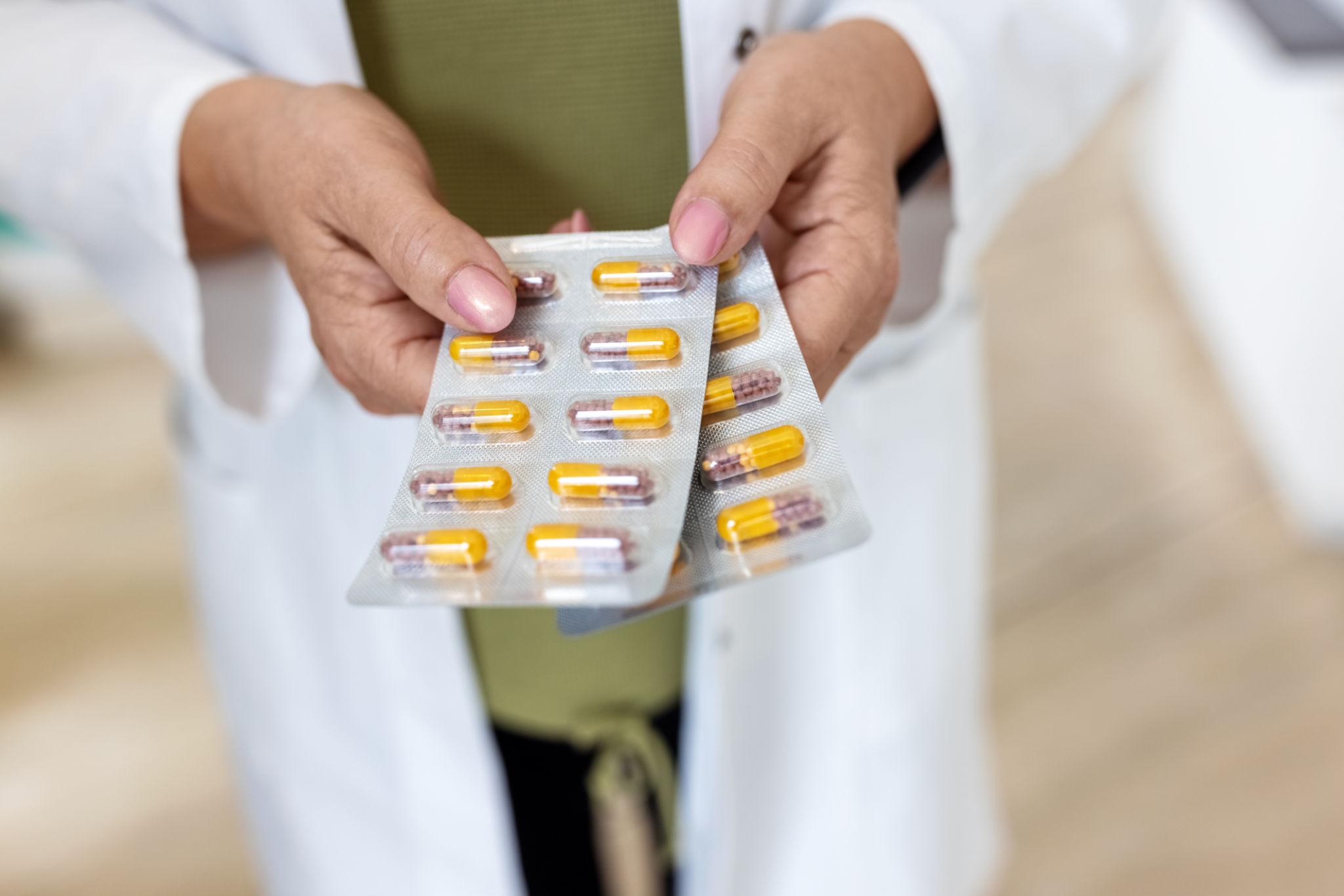
“South Africa’s medicines regulator, the South African Health Products Regulatory Authority (SAHPRA), has recalled two specific batches of Levoneptin, a prescription medicine containing gabapentin, after routine testing identified an impurity above the accepted limit. The recall affects Levoneptin 100, batch 24142840, and Levoneptin 400, batch 24142842, and patients who may have these products are advised to check their packaging and contact a pharmacist or prescribing clinician for guidance.”
Introduction: A medicine recall puts product quality in focus
South Africa’s medicine safety system is once again in the spotlight following a recall involving two batches of Levoneptin, a prescription medicine containing gabapentin. The development highlights the importance of pharmaceutical quality control, effective regulatory oversight and clear communication between medicine manufacturers, healthcare professionals and patients.
According to a report published by Newcastillian News on 29 October 2026, the recall was initiated after Ascend Laboratories identified a quality concern during routine testing of retained samples. SAHPRA published its recall notice on 27 October, following the formal initiation of the recall on 22 October 2026. The concern relates to an impurity found above established acceptance criteria, raising questions about whether the affected batches will remain within approved stability specifications throughout their intended shelf life.
The announcement does not mean that all medicines containing gabapentin have been recalled. Instead, the action is limited to two specifically identified batches of Levoneptin. This distinction is important because patients should avoid assuming that every product with the same active ingredient or brand name is affected.
For patients, pharmacists and healthcare facilities, the immediate priority is to identify any affected stock and obtain professional advice before making changes to treatment.
Which Levoneptin batches are affected?
The recall notice identifies two products that consumers and healthcare professionals should check carefully.
-
Levoneptin 100: Batch number 24142840.
-
Levoneptin 400: Batch number 24142842.
Both products reportedly have an expiry date of June 2027 and were supplied in packs containing 100 blister-packed capsules. According to the report, distribution in South Africa began in December 2024.
The batch number is particularly important because medicines with identical names can be manufactured in different production batches. A recall may apply to one batch without applying to every package of that medicine on the market.
Patients should therefore check the product name, strength and batch number printed on their packaging. Where the information is unclear, a pharmacist can help determine whether a particular pack falls within the recall.
Healthcare professionals and medicine distributors also have responsibilities. SAHPRA’s instructions require affected stock to be identified, isolated and removed from inventories. The recalled batches must not continue to be supplied, distributed or dispensed.
These measures are intended to prevent further distribution while the quality issue is addressed.
What prompted the recall?
The reported reason for the recall was a laboratory finding involving an impurity above the established acceptance criteria. Ascend Laboratories detected the issue while evaluating retained control samples during routine testing.
Pharmaceutical manufacturers retain samples from production batches so that they can assess quality over time. Such testing can help identify whether a product continues to meet its approved specifications during storage.
Medicines are expected to maintain defined quality characteristics throughout their intended shelf life when stored according to approved conditions. These requirements are important because patients and clinicians rely on the product continuing to meet established standards until its expiry date.
In this case, the reported impurity finding indicated a potential failure to comply with the approved stability specifications throughout the medicine’s intended shelf life. The recall was initiated as a precautionary measure in response to that concern.
However, the available report does not establish that every capsule in the affected batches is defective, nor does it document a confirmed injury caused by the impurity. The concern is that the affected products may not consistently meet the required quality standards over time.
This distinction matters for accurate public communication. A recall is a risk-management action intended to address a potential or identified quality problem; it does not, by itself, prove that every patient who has taken the medicine has experienced harm.
Understanding gabapentin and its role in treatment
Gabapentin is a prescription medicine used for certain neurological conditions, including some forms of nerve pain and particular types of epilepsy. Depending on the patient’s condition and treatment plan, clinicians may prescribe it as part of a longer-term management strategy.
Patients taking gabapentin may rely on regular medication to control symptoms and maintain daily functioning. Consequently, a product recall can create uncertainty, especially for people who are unsure whether their medicine is affected or whether an alternative is available.
The Levoneptin recall does not mean that patients should independently stop all gabapentin treatment. Abruptly discontinuing prescribed gabapentin can cause problems and may increase seizure risk in some patients. The appropriate course of action depends on the person’s condition, dose and treatment history.
Anyone who discovers an affected batch should contact their pharmacist or prescribing clinician promptly. These professionals can help verify the batch number, explain the recall instructions and determine the safest next step.
Patients should not substitute another medicine, change their dose or discontinue treatment without appropriate medical advice. The immediate objective is to resolve the product-quality concern while maintaining safe and appropriate clinical care.
What the recall means for patients
The recall has practical implications for anyone who may have purchased or received Levoneptin from a pharmacy, hospital or other authorised supplier.
First, patients should inspect their medicine packaging. They should compare the batch number with the two identifiers specified in the recall: 24142840 for Levoneptin 100 and 24142842 for Levoneptin 400.
Second, anyone with a matching batch should contact a pharmacist or prescribing healthcare professional for instructions. They should keep the packaging available because the batch number and product strength help professionals verify the medicine.
Third, patients should follow the instructions provided by their healthcare professional and the regulator. They should not continue using a confirmed recalled product simply because it appears normal, but neither should they make an unsupervised treatment decision that could put their health at risk.
The appropriate action may depend on the medicine’s availability, the patient’s clinical needs and the instructions issued by the relevant authorities. A healthcare professional can help coordinate replacement treatment where necessary.
Patients who have already taken capsules from an affected batch should seek advice from a pharmacist or clinician about their individual circumstances. If they experience severe or unexpected symptoms, they should seek urgent medical care.
Importantly, finding a matching batch number does not automatically mean that a patient has been harmed. The recall addresses a product-quality concern, and individual medical advice is needed to assess any health concerns.
Responsibilities of pharmacies and healthcare facilities
Pharmacies and healthcare facilities are central to the success of a medicine recall. They are often the first point of contact for patients seeking clarification and may hold stock that needs to be removed from circulation.
According to the published report, SAHPRA instructed healthcare professionals and distributors to identify, isolate and remove the affected products from their inventories. The regulator also directed that capsules from the specified batches must no longer be supplied, distributed or dispensed. The affected stock is to be returned through DP World Healthcare Logistics, the distribution channel identified for the recall.
These steps require effective inventory management and communication. Pharmacies need to check stock records, inspect relevant packaging, segregate affected products and follow the applicable return process.
Healthcare providers should also communicate clearly with patients who may have received an affected pack. Clear explanations can prevent confusion between the recalled batches and other medicines that contain gabapentin.
Where patients require ongoing treatment, pharmacy teams and prescribers can coordinate appropriate alternatives and ensure that the recall does not lead to unnecessary interruptions in care.
Good documentation is equally important. Recording the affected batch, the action taken and the information provided to patients can support accountability and help demonstrate that recall instructions have been followed.
SAHPRA’s role in medicine safety
SAHPRA is responsible for regulating health products in South Africa, including medicines. Its work includes assessing product quality, safety and efficacy within the applicable regulatory framework.
A recall is one of the mechanisms used to address concerns about products already distributed into the supply chain. Depending on the circumstances, corrective action can involve manufacturers, wholesalers, pharmacies, healthcare facilities and regulators.
The published report classifies this action as a Class II Type B recall. That classification should be understood within SAHPRA’s recall framework; it should not be interpreted as proof that an individual patient has suffered harm.
For members of the public, the most useful information is the precise scope of the recall, the reason for the action and the instructions for people who may possess the affected products.
Regulatory announcements are most effective when they are accompanied by accessible information explaining what consumers should do, where they can obtain help and how the affected stock will be removed from circulation.
Manufacturers also have an important role in maintaining quality systems and responding when testing identifies a potential problem. The Levoneptin case illustrates why quality monitoring continues after a medicine has reached pharmacies and patients.
Maintaining public confidence in medicines
Medicine recalls can cause anxiety, especially among people who depend on regular prescription treatment. Nevertheless, a transparent recall process is an important component of patient protection.
Patients need accurate information rather than speculation. The available report identifies an impurity above the accepted limit and a potential concern about stability over the approved shelf life. It does not establish that all Levoneptin products are affected or that all patients who used the recalled batches experienced adverse effects.
Clear distinctions can help prevent unnecessary alarm while ensuring that the affected products are dealt with appropriately.
Healthcare professionals can reinforce this message by explaining how to identify a recalled batch, how to arrange a suitable replacement and why treatment decisions should be made with professional guidance.
Public confidence also depends on timely information-sharing among manufacturers, regulators and the healthcare sector. When a quality issue emerges, affected stock must be identified quickly, instructions must be communicated consistently and patients must have a practical route to assistance.
For patients who are uncertain about their medicine, checking the packaging and contacting a pharmacist are sensible first steps.
Conclusion: Check the batch and seek professional guidance
The recall of two Levoneptin batches is a significant medicine-safety development in South Africa on 29 October 2026. The action followed a quality-control finding involving an impurity above established acceptance criteria, prompting concerns that the affected products might not meet approved stability specifications throughout their intended shelf life.
The recall is limited to Levoneptin 100, batch 24142840, and Levoneptin 400, batch 24142842. Patients and healthcare professionals should verify these identifiers, follow SAHPRA’s instructions and ensure that affected stock is not supplied or dispensed.
Patients who identify a matching pack should contact their pharmacist or prescribing clinician for guidance. They should not independently stop or alter prescribed treatment without medical advice, particularly when the medicine is being used to manage a neurological condition.
Ultimately, this development reinforces the importance of continuous pharmaceutical quality monitoring, responsible distribution practices and clear patient communication. A recall can help reduce potential risks when manufacturers, regulators, pharmacies and patients respond promptly and appropriately.
The key message for the public is straightforward: check the batch number, obtain professional advice if your medicine is affected, and rely on official regulatory information for further instructions.



