




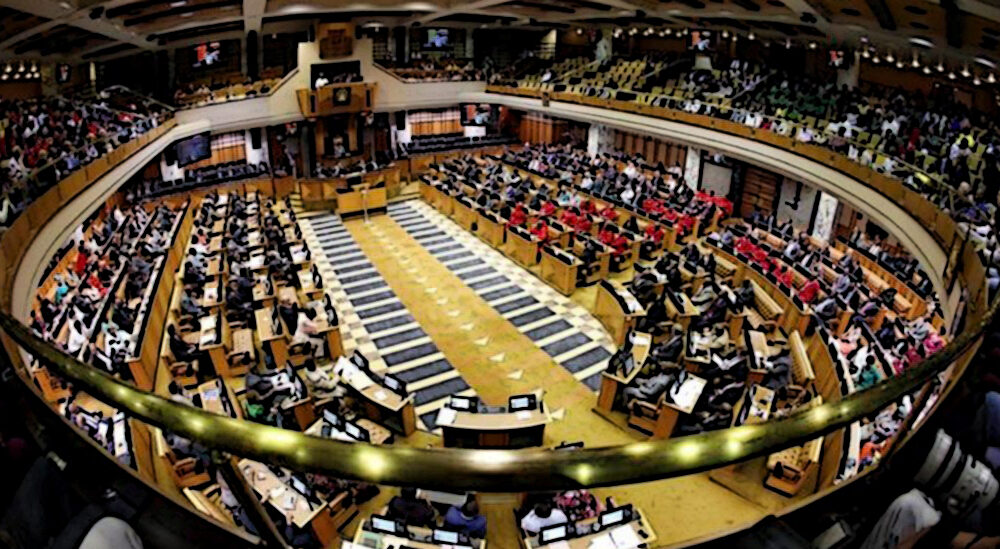
“South Africa’s Parliament has adopted a roadmap to finalize the Mkhwanazi Inquiry Report by 16 July 2026, marking a critical step in addressing allegations of misconduct and oversight failures. The move underscores growing pressure on legislators to strengthen accountability and restore public trust in democratic institutions.”
South Africa’s legislative landscape has entered a pivotal phase with Parliament’s decision to adopt a roadmap for the completion of the Mkhwanazi Inquiry Report. This inquiry, which has drawn national attention, centers on allegations of misconduct and failures in oversight within key government institutions. The July 16 deadline signals Parliament’s intent to resolve the matter swiftly, but it also raises questions about the broader state of governance, accountability, and political reform in the country.
Background of the Inquiry
The Mkhwanazi Inquiry was initiated following concerns about irregularities in oversight processes and allegations of misconduct tied to senior officials. The inquiry has been marked by delays, with committees expressing frustration over unanswered requests for critical reports. These delays have fueled public skepticism about Parliament’s ability to enforce accountability.
Legislative Significance
The adoption of a roadmap represents more than just procedural progress—it is a statement of intent by Parliament to reassert its role as a guardian of democracy. Legislators emphasized that the inquiry’s findings will have far-reaching implications for governance structures, potentially influencing future reforms in oversight mechanisms and disciplinary processes.
Political Context
The inquiry comes at a time when South Africa’s political climate is highly charged. With coalition dynamics reshaping governance under the Government of National Unity (GNU), opposition parties have seized on the inquiry as evidence of systemic weaknesses. The ruling party, meanwhile, has sought to frame the roadmap as proof of its commitment to transparency and reform.
Public Trust and Accountability
Public trust in democratic institutions has been eroded by repeated scandals and perceptions of impunity among officials. Civil society organizations have welcomed the roadmap but cautioned that deadlines alone will not restore confidence. They argue that Parliament must ensure the inquiry’s findings are acted upon decisively, with clear consequences for misconduct.
Stakeholder Reactions
- Civil Society: Advocacy groups have called for the inquiry’s findings to be made public, stressing that transparency is essential for rebuilding trust.
- Opposition Parties: Critics argue that the roadmap is a reactive measure, forced by public pressure rather than genuine commitment.
- Government Officials: Supporters within the ruling party maintain that the roadmap demonstrates Parliament’s seriousness in tackling governance challenges.
Implications for Governance Reform
The inquiry’s outcome could shape future legislative reforms, particularly in areas such as disciplinary proceedings for magistrates, oversight of intelligence reports, and the strengthening of parliamentary committees. Analysts suggest that the roadmap may serve as a test case for how Parliament handles complex governance issues in the GNU era.
Challenges Ahead
Despite the roadmap, challenges remain. The inquiry’s credibility hinges on the timely release of reports and the willingness of Parliament to enforce its recommendations. Delays or perceived compromises could further erode trust, while decisive action could mark a turning point in South Africa’s governance trajectory.
Conclusion
The adoption of the roadmap for the Mkhwanazi Inquiry Report is a critical moment in South Africa’s legislative politics. It reflects both the urgency of addressing misconduct and the broader struggle to restore accountability in governance. As the July 16 deadline approaches, all eyes will be on Parliament to see whether it can deliver on its promise of transparency and reform.



