




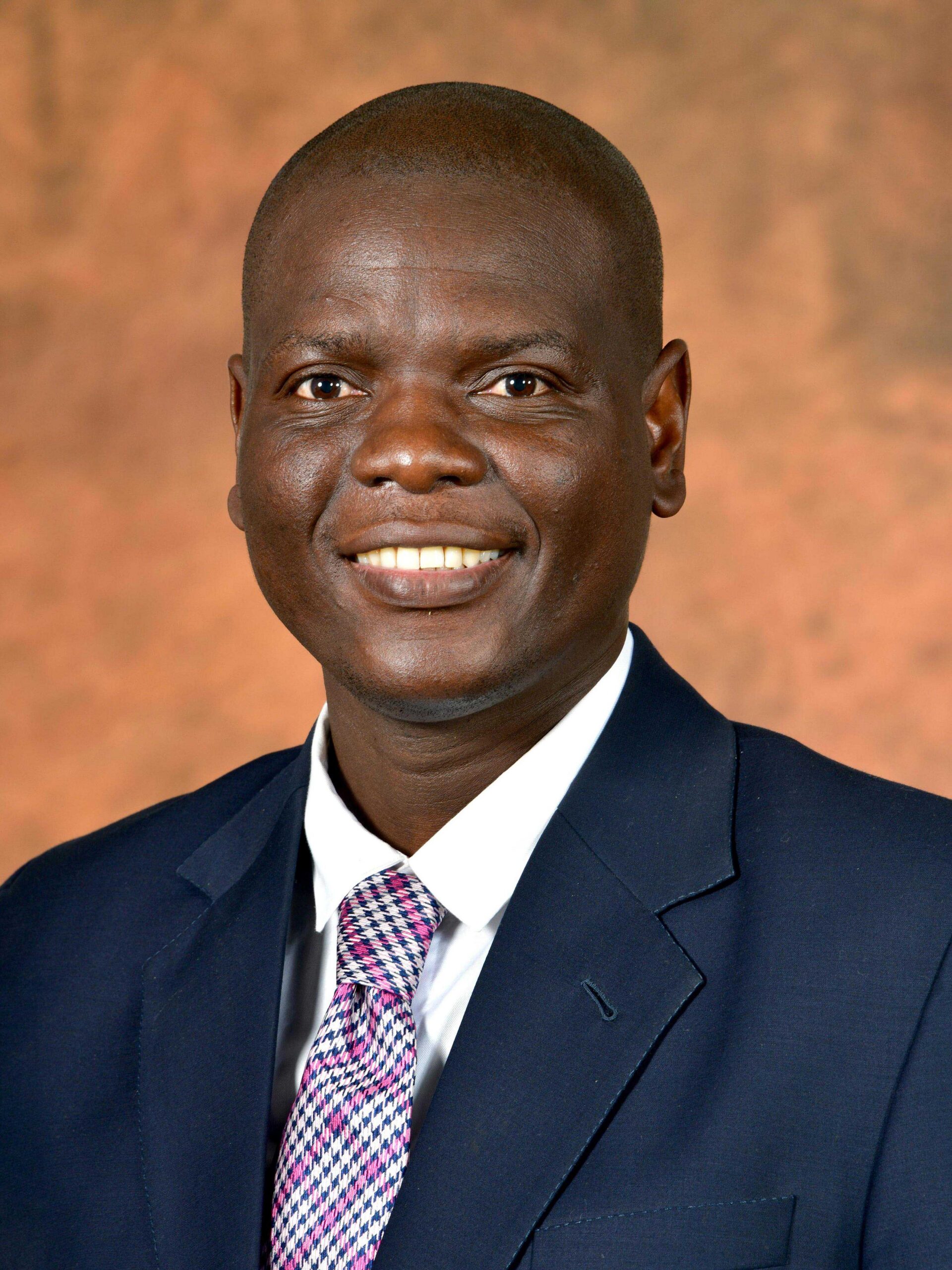
“The South African government has rejected U.S. visa restrictions targeting individuals linked to land reform and race policies, insisting that such measures undermine its sovereignty. Pretoria urged Washington to pursue dialogue instead of unilateral sanctions, framing the dispute as a clash over historical redress and minority rights.”
On September 16–17, 2026, diplomatic tensions between South Africa and the United States escalated after Washington announced targeted visa restrictions against certain South African nationals. The U.S. justified the move by citing concerns over race-based discrimination, uncompensated land seizures, and incitement of violence against minority groups. Pretoria, however, dismissed the restrictions as a mischaracterisation of its constitutional policies aimed at redressing apartheid-era injustices. This confrontation underscores the fragile balance between sovereignty, human rights, and international diplomacy.
Background of the Dispute
The roots of this dispute lie in South Africa’s controversial land reform policies and broader racial redress initiatives. Since the end of apartheid in 1994, successive governments have sought to redistribute land and expand economic opportunities for Black South Africans. Critics, particularly in the U.S. and among Afrikaner advocacy groups, argue that these policies amount to discrimination against white minorities.
The Trump administration has repeatedly raised concerns, with Secretary of State Marco Rubio citing “government-sponsored discrimination” against Afrikaners. The new visa restrictions are the latest in a series of measures, including barring South Africa from attending the upcoming G20 summit in Miami.
Pretoria’s Response
South Africa’s Minister of International Relations and Cooperation, Ronald Lamola, issued a firm rejection of the U.S. decision. He emphasised that South Africa has the sovereign right to enact laws addressing centuries of racial injustice. Lamola pointed to legislation such as the Prevention and Combating of Hate Crimes and Hate Speech Act, which provides mechanisms to prosecute hate crimes and combat hate speech.
Lamola stressed that South Africa’s policies are rooted in constitutional obligations, not racial animus. “It is our sovereign right to put in place laws that address the nation’s concern over centuries of racial injustice,” he declared, urging Washington to respect South Africa’s democracy and sovereignty.
U.S. Position
Secretary Rubio defended the restrictions, arguing that Pretoria had failed to adequately address Washington’s concerns. He warned that the U.S. would not allow what it perceives as discriminatory policies to go unchecked. The U.S. ambassador to South Africa added that the visa restrictions were “only the first step in a series of escalatory measures,” signalling that harsher actions could follow.
Domestic Reactions in South Africa
The announcement has divided opinion within South Africa. Advocacy groups such as AfriForum welcomed the sanctions, claiming they target politicians complicit in human rights violations without harming ordinary citizens. Conversely, organisations like Afrikaners vir Suid-Afrika (AfSA) condemned the move, arguing it escalates tensions unnecessarily and undermines South Africa’s sovereignty.
President Cyril Ramaphosa’s administration has framed the dispute as an attack on South Africa’s constitutional democracy. Officials argue that Washington’s actions amount to external pressure to alter domestic laws and court outcomes, which Pretoria views as unacceptable interference.
International Implications
This diplomatic clash comes at a sensitive time, as South Africa prepares to participate in the United Nations General Assembly in New York. Lamola is expected to use the platform to defend South Africa’s policies and call for multilateral dialogue. The dispute also risks straining broader U.S.–Africa relations, particularly as Washington seeks to counter Chinese and Russian influence on the continent.
Analysis
The confrontation highlights the tension between sovereignty and international human rights norms. While South Africa insists its policies are constitutionally mandated, the U.S. frames them as discriminatory. This raises questions about how far external powers can intervene in domestic affairs under the guise of protecting minority rights.
Moreover, the dispute reflects broader geopolitical dynamics. The U.S. is keen to assert influence in Africa, while South Africa positions itself as a defender of post-colonial sovereignty. The clash could push Pretoria closer to alternative partners such as China and Russia, who often support non-interference in domestic policies.
Conclusion
The latest U.S. visa restrictions mark a significant escalation in tensions between Washington and Pretoria. South Africa’s rejection of the measures underscores its determination to defend sovereignty and pursue racial redress policies despite international criticism. Whether diplomacy can defuse the dispute remains uncertain, but the episode illustrates the enduring complexities of balancing domestic justice with international relations.



