




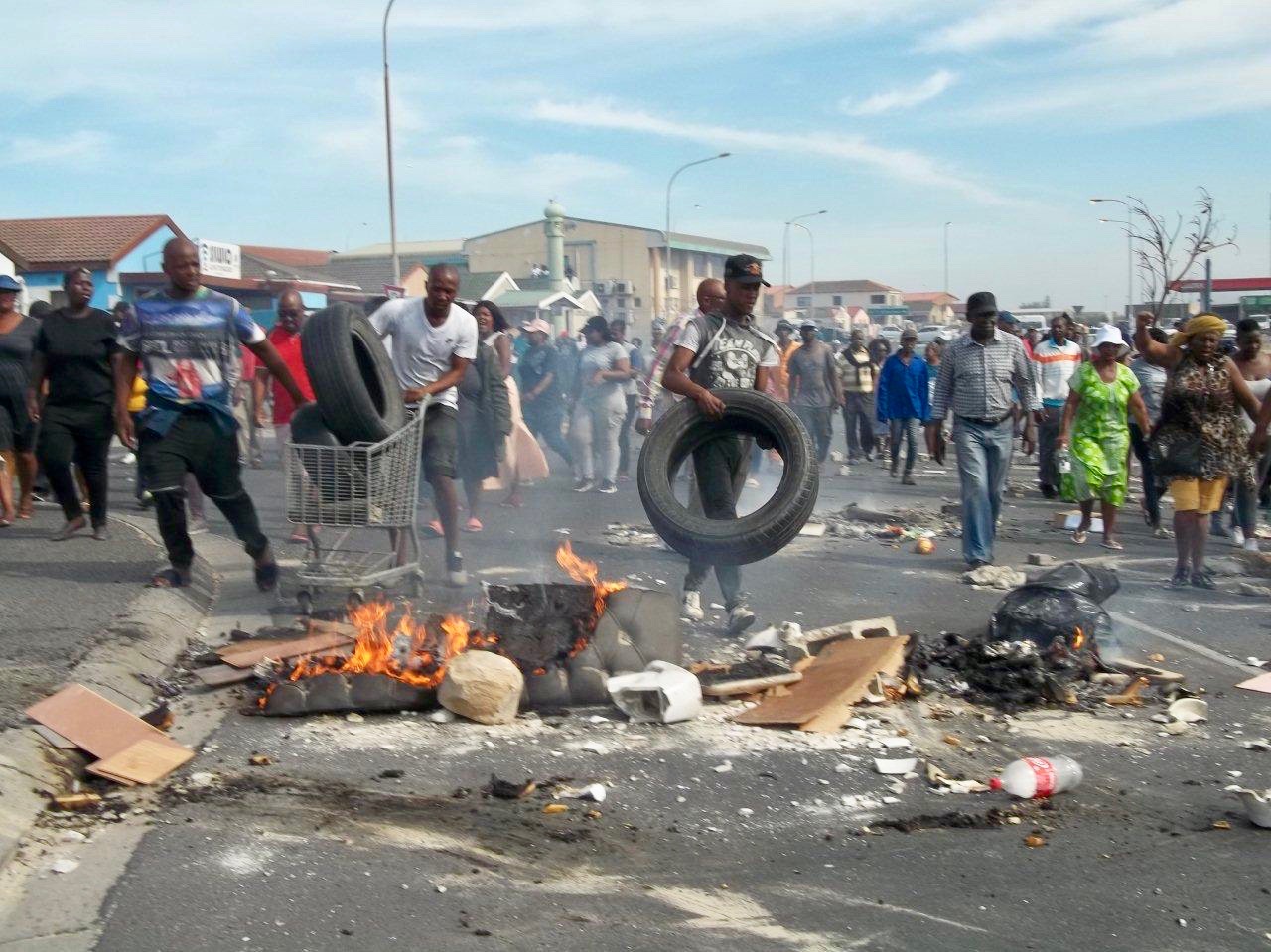
“The Public Protector has ruled that Cape Town failed to provide adequate basic services to residents in Langa and Khayelitsha, leaving many without dignified living conditions. The findings intensify scrutiny on municipal governance and raise urgent questions about national policy interventions in urban service delivery.”
On July 8, 2026, South Africa’s Public Protector, Advocate Kholeka Gcaleka, released a damning report on Cape Town’s municipal governance, finding that the city failed to provide basic services to residents in Langa and Khayelitsha. This revelation has reignited debates about policy failures in urban service delivery, inequality in infrastructure provision, and the accountability of local government structures.
Background
Cape Town, often celebrated as one of South Africa’s most developed cities, has long faced criticism for stark inequalities between affluent suburbs and historically marginalized townships. Langa and Khayelitsha, two of the largest townships, have endured chronic shortages in housing, sanitation, water supply, and waste management. The Public Protector’s investigation was prompted by complaints from community organizations and residents who argued that municipal neglect violated constitutional rights to dignity and basic services.
Findings of the Public Protector
The report concluded that:
- Water and sanitation services were inadequate, with residents relying on communal taps and poorly maintained toilets.
- Waste collection was inconsistent, leading to health hazards.
- Housing backlogs remained unresolved, with informal settlements expanding without proper infrastructure.
- Municipal accountability mechanisms were weak, with residents’ complaints often ignored.
Advocate Gcaleka stated: “Service delivery failures have left many residents without dignified living conditions, undermining constitutional guarantees of equality and human rights.”
Political Reactions
- Opposition parties seized on the findings to criticize the ruling Democratic Alliance (DA) government in Cape Town, accusing it of perpetuating inequality.
- The ANC argued that the failures reflected broader structural issues in urban governance, calling for national intervention.
- Community leaders in Langa and Khayelitsha demanded immediate remedial action, including infrastructure investment and improved accountability.
Policy Implications
This ruling has significant implications for South African policy:
- Municipal accountability: Strengthening oversight mechanisms to ensure compliance with constitutional obligations.
- Equitable resource allocation: Addressing disparities between affluent and marginalized communities.
- National intervention: Considering whether the national government should step in when municipalities fail to deliver.
Social Impact
Residents in Langa and Khayelitsha expressed frustration, noting that promises of reform have rarely translated into tangible improvements. Civil society groups warned that continued neglect could fuel unrest, as service delivery protests have historically been a flashpoint in South African politics.
Expert Analysis
Policy analysts argue that the ruling underscores the need for a national urban service delivery framework that sets minimum standards across municipalities. Without such a framework, wealthier cities may continue to prioritize affluent areas, leaving townships behind.
Conclusion
The Public Protector’s findings mark a turning point in South Africa’s ongoing struggle with urban inequality. As Cape Town faces mounting pressure to act, the case of Langa and Khayelitsha may become a test of whether South Africa can deliver on its constitutional promise of dignity and equality for all citizens.



