




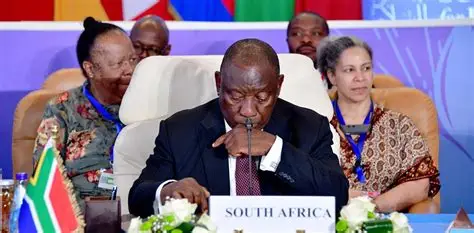
“President Cyril Ramaphosa is set to embark on a working visit to Paris from July 10–12, 2026, focusing on African Union solidarity, trade relations, and global cooperation. The trip highlights South Africa’s dual role as a continental leader and a strategic partner to Europe in addressing shared challenges such as health security, energy, and migration.”
South Africa’s international relations agenda has taken a decisive turn this week as President Cyril Ramaphosa prepares for a working visit to Paris, France. Scheduled for July 10–12, 2026, the visit comes at a critical juncture for both South Africa and the African Union (AU), with pressing issues ranging from pandemic preparedness to energy security and migration governance dominating the diplomatic landscape. Ramaphosa’s trip underscores Pretoria’s ambition to balance continental leadership with global partnerships, particularly with the European Union (EU).
Context: South Africa’s Diplomatic Role
South Africa has long positioned itself as a bridge between Africa and the wider international community. As the AU Champion for Pandemic Preparedness, Prevention, and Response (PPPR), Ramaphosa has been tasked with spearheading continental strategies to mitigate health crises. His recent engagements in Kinshasa and at the Southern African Development Community (SADC) summit highlighted the urgency of coordinated African responses to both health and security challenges.
Why Paris Matters
France remains one of South Africa’s most significant European partners. Bilateral trade between the two nations has steadily grown, with French companies investing in South Africa’s renewable energy and automotive sectors. The Paris visit is expected to deepen cooperation in these areas, while also addressing broader geopolitical concerns such as migration flows from Africa to Europe and the need for sustainable development financing.
Key Diplomatic Objectives
- African Union Solidarity: Ramaphosa will emphasize Africa’s collective priorities, particularly pandemic preparedness and climate resilience.
- Trade and Investment: Discussions are expected to focus on expanding South Africa’s exports to France and attracting French investment in infrastructure and technology.
- Global Governance: South Africa will advocate for reforms in multilateral institutions to ensure fair representation of African voices.
- Security Cooperation: With instability in parts of Africa, France and South Africa are likely to discuss joint approaches to peacekeeping and conflict resolution.
Domestic Implications
Ramaphosa’s Paris visit also carries domestic significance. South Africa’s economy, grappling with slow growth and high unemployment, stands to benefit from increased foreign investment. Moreover, the visit reinforces Ramaphosa’s image as a statesman capable of advancing South Africa’s interests on the global stage, a crucial factor as the country navigates internal political challenges.
Regional Impact
For Africa, Ramaphosa’s engagement with France signals a broader trend of African leaders seeking stronger partnerships beyond traditional allies. The visit could pave the way for enhanced EU-Africa cooperation, particularly in areas such as renewable energy, digital transformation, and migration management. This aligns with the AU’s Agenda 2063, which envisions a prosperous and integrated continent.
Risks and Challenges
Despite the optimism, challenges remain. Critics argue that South Africa must avoid over-reliance on European partners and instead prioritize intra-African trade and cooperation. Additionally, balancing domestic political pressures with international commitments will test Ramaphosa’s leadership. The success of the Paris visit will depend on tangible outcomes, not just diplomatic symbolism.
Conclusion
President Ramaphosa’s upcoming Paris visit represents a pivotal moment in South Africa’s international relations strategy. By engaging France on issues of continental and global importance, South Africa reaffirms its role as both a regional leader and a global partner. The outcomes of this visit will likely shape Pretoria’s foreign policy trajectory for the remainder of 2026 and beyond.



