




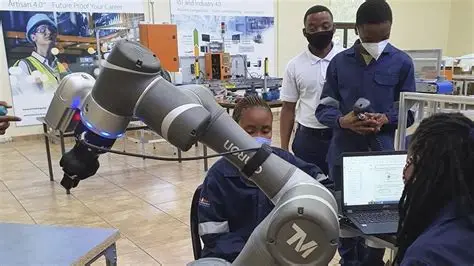
“South Africa’s industrial sector is undergoing a pivotal transformation, driven by robotics and automation technologies showcased at S4 Integration’s Annual Technology Showcase in Port Elizabeth and Pretoria. The event emphasized workforce development through Nelson Mandela University partnerships, aiming to bridge the robotics skills gap and prepare graduates for high-demand roles.”
South Africa’s industrial landscape is at a turning point. On August 24, 2026, S4 Integration hosted its Annual Technology Showcase in Port Elizabeth and Pretoria, spotlighting robotics and automation systems designed to transform the nation’s competitiveness. The showcase brought together industry leaders, academics, policymakers, and students, underscoring the role of robotics in reshaping manufacturing, mining, and automotive industries.
Industrial Applications
- Automotive Sector: Robotic arms from DC Auto-Motion reduced error rates in precision assembly by 30%, demonstrating efficiency gains in production lines.
- Mining Industry: AI-driven inspection drones from PTSA Robotics improved safety by detecting faults in real time, reducing downtime and hazards.
- Manufacturing: Automated assembly lines and AI-powered quality control systems showcased significant cost reductions and productivity improvements.
These innovations are critical as South Africa competes with global manufacturing hubs, particularly in Asia.
Skills Development Collaboration
A highlight of the showcase was the partnership with Nelson Mandela University, which is rolling out training programs to equip students with robotics expertise. Hands-on exposure ensures graduates are prepared for roles in engineering, industrial technology, and AI development. This initiative directly addresses South Africa’s skills gap, where demand for robotics engineers far outpaces supply.
Economic Impact
Industry analysts project that robotics adoption could boost South Africa’s manufacturing output by 15–20% over the next five years. By automating repetitive tasks, companies can reallocate human talent to higher-value roles, fostering innovation and entrepreneurship. This shift is expected to:
- Enhance South Africa’s global competitiveness
- Reduce reliance on imports
- Strengthen its industrial base
Case Studies from the Showcase
- DC Auto-Motion: Robotic systems reduced automotive assembly error rates by 30%.
- PTSA Robotics: AI-driven drones improved mining safety and reduced downtime.
- Okuhle Sosibo (Robotics Engineer): Highlighted how robotics innovations reduce hazards in industrial environments.
Challenges and Opportunities
Despite the promise, challenges remain:
- High upfront costs for robotics hardware
- Limited local manufacturing capacity for robotics components
- Continuous training needs to keep pace with rapid technological advancements
Strategic Importance
The showcase aligns with South Africa’s Fourth Industrial Revolution (4IR) agenda, ensuring the country remains competitive in global markets. By investing in robotics, South Africa is not only modernizing its industries but also positioning itself as a leader in innovation-driven growth.
Conclusion
The S4 Integration Annual Technology Showcase marks a milestone in South Africa’s robotics journey. With industrial applications already demonstrating measurable gains, partnerships with universities bridging the skills gap, and economic projections pointing to significant growth, robotics is set to redefine South Africa’s industrial future.
Would you like me to also expand on related robotics developments such as the IRIS AI Humanoid Tutor project in Durban or the CSIR Robotics Showcase for manufacturing? These stories complement today’s headline by showing how robotics is reshaping both education and industry in South Africa.



