




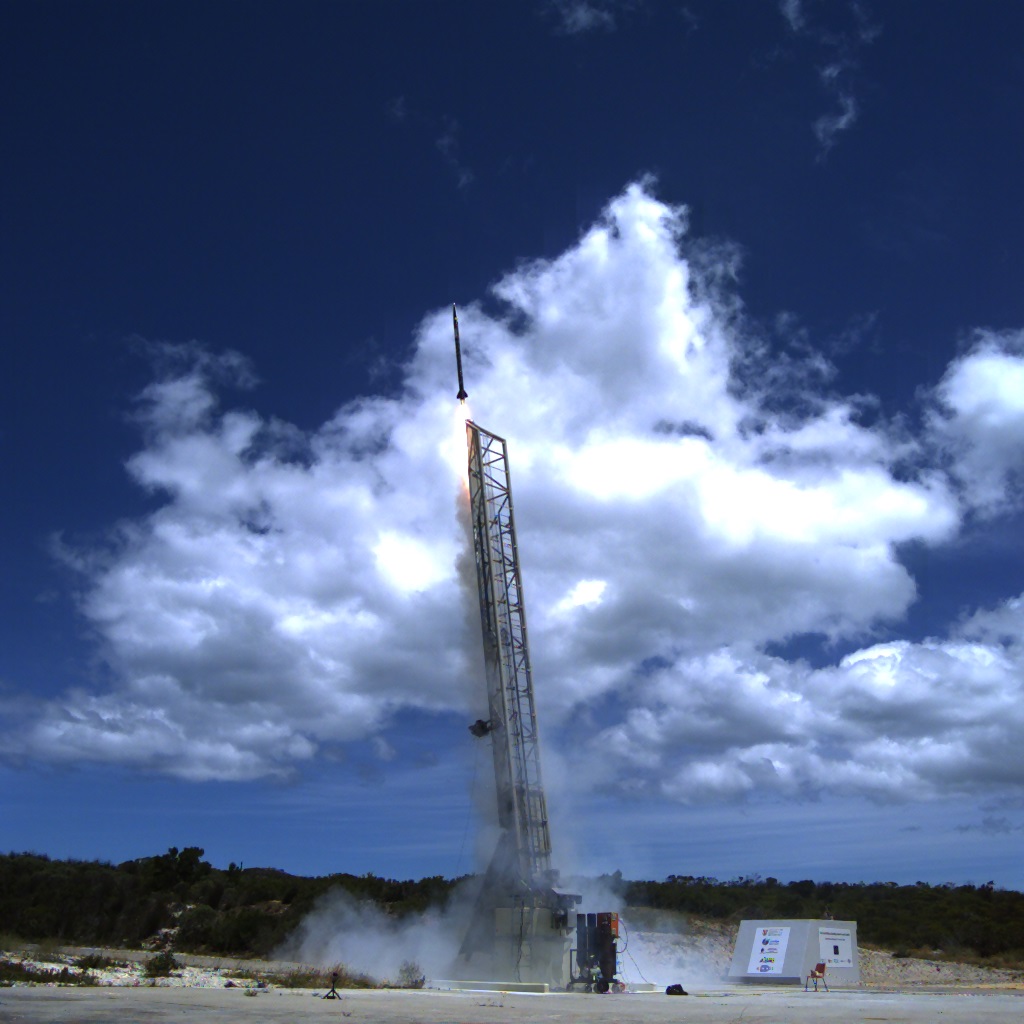
“The South African National Space Agency (SANSA) has launched three cutting‑edge Earth Observation tools to monitor air quality, flood risk, and water security, providing real‑time intelligence to safeguard communities and ecosystems. This initiative represents a landmark in applying space technology to everyday environmental challenges in South Africa.”
South Africa is entering a new era of environmental resilience with the South African National Space Agency (SANSA) unveiling three advanced Earth Observation tools designed to address the nation’s most pressing ecological challenges: air pollution, flood risk, and water security. Launched on 3 July 2026 in Pretoria, this initiative underscores the growing role of space technology in tackling climate change and safeguarding livelihoods.
The Climate Challenge
South Africa faces intensifying climate risks:
- Flash floods devastating urban and rural communities.
- Air pollution threatening public health and regulatory compliance.
- Water scarcity undermining agriculture, industry, and household supply.
These crises are no longer distant threats but daily realities, demanding innovative solutions that combine science, technology, and governance.
The Tools in Detail
- Air Quality Management Tool
- Provides month‑by‑month national insights.
- Identifies pollutants, sources, and trends.
- Supports public health interventions and compliance with environmental regulations.
- Disaster Management Tool
- Focuses on flood risk mapping.
- Offers predictive early warnings and post‑disaster assessments.
- Helps authorities protect lives, infrastructure, and the economy.
- Water Management Tool
- Tracks water quantity and quality at dam and catchment level.
- Issues early warnings for threats like eutrophication.
- Strengthens water governance and long‑term sustainability.
National Impact
These tools are not just technological innovations; they are policy enablers. By equipping municipalities, regulators, and water managers with actionable intelligence, SANSA is bridging the gap between scientific data and decision‑making. This enhances:
- Disaster resilience in vulnerable communities.
- Evidence‑based governance in environmental management.
- Public trust in science and technology institutions.
Collaboration and Development
The tools were developed through extensive consultation with government, academia, industry, and civil society. This collaborative approach ensures that the solutions are context‑specific, addressing South Africa’s unique environmental challenges while aligning with global climate adaptation strategies.
Broader Significance
The SANSA initiative reflects a broader trend: the integration of space technology into sustainable development. Globally, satellite data is being used to monitor deforestation, track greenhouse gas emissions, and predict extreme weather events. South Africa’s adoption of these tools positions it as a continental leader in space‑powered environmental management.
Risks and Challenges
While promising, the initiative faces challenges:
- Ensuring equitable access to data across provinces.
- Building technical capacity among local authorities.
- Securing long‑term funding for maintenance and upgrades.
Addressing these issues will be critical to sustaining the impact of SANSA’s tools.
Conclusion
The launch of SANSA’s Earth Observation tools marks a turning point in South Africa’s environmental strategy. By harnessing satellite technology, the nation is better equipped to confront climate risks, protect ecosystems, and secure its water future. This initiative exemplifies how science and innovation can be mobilized to serve society, reinforcing the principle that environmental resilience is inseparable from technological progress.



