




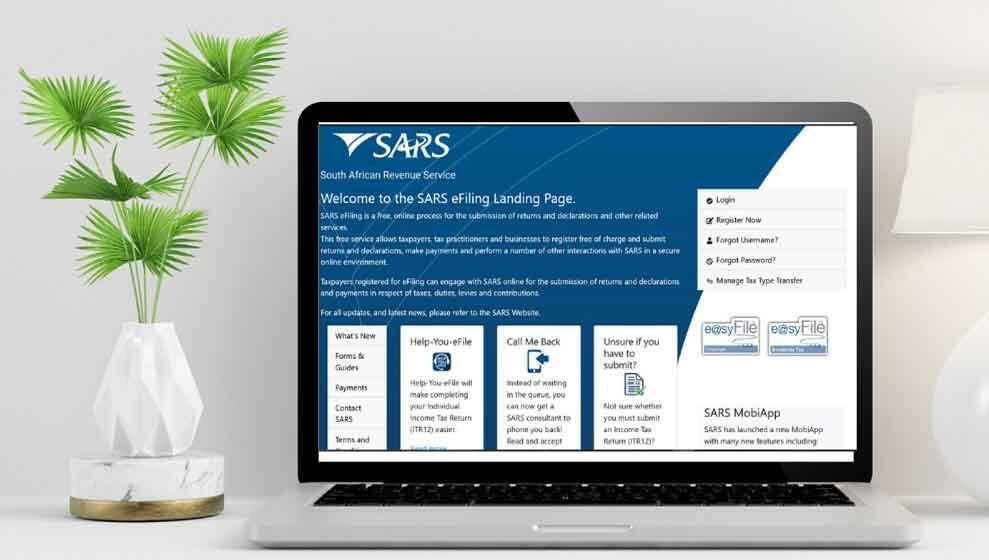
“The South African Revenue Service has scheduled maintenance and upgrades to its eFiling, Tax and Customs digital platforms for Saturday, 26 September 2026, from 17:00 to 23:00, during which users may experience intermittent interruptions. The maintenance forms part of SARS’s broader programme to modernise its technology infrastructure, improve the robustness and security of its digital services, and expand streamlined online interactions for taxpayers, traders and businesses.”
SARS Digital Upgrade Puts South Africa’s Public Computing Infrastructure in Focus
South Africa’s digital government infrastructure will undergo another scheduled technology maintenance window as the South African Revenue Service (SARS) carries out upgrades to its digital platforms on Saturday, 26 September 2026. The planned work highlights the growing importance of computing infrastructure behind essential public services, with millions of digital interactions increasingly dependent on secure, reliable and continuously available online systems.
According to SARS, maintenance is scheduled from 17:00 to 23:00 on Saturday, 26 September. During these six hours, users may experience intermittent interruptions when accessing the agency’s eFiling, Tax and Customs digital platforms.
Although scheduled maintenance is a routine part of operating large information systems, the scale and importance of SARS’s digital environment make such upgrades significant for South Africa’s broader computing landscape. The revenue service operates platforms that support tax administration, electronic submissions, payments, registrations, customs-related activities and communication between the organization and taxpayers.
SARS says the work forms part of its strategic objective of modernizing its systems and providing digital and streamlined online services. The organization has also emphasized the need for its technology assets to maintain high levels of availability, robustness and security.
Why the maintenance matters
Modern government services increasingly depend on computing infrastructure that users rarely see. Behind an online tax return or digital customs transaction are databases, application servers, authentication systems, networking infrastructure, cybersecurity controls and other technology components that must operate together.
For an organization such as SARS, reliability is particularly important because interruptions can affect taxpayers, tax practitioners, traders and businesses that depend on online systems.
SARS’s announcement therefore illustrates an important feature of modern computing: keeping a digital platform operational is not simply a matter of maintaining a website. It requires continuous monitoring, software upgrades, security improvements, infrastructure management and testing.
The scheduled maintenance also demonstrates why large digital platforms need planned periods in which technical teams can perform upgrades without treating every change as an emergency intervention.
SARS has not indicated that the maintenance is related to a security incident. Instead, it describes the activity as part of ongoing upgrades, enhancements and maintenance of its digital platforms and technology infrastructure.
eFiling remains central to digital tax administration
SARS eFiling has become an important component of South Africa’s digital tax environment. The service allows taxpayers, tax practitioners and businesses to perform numerous interactions electronically rather than relying exclusively on physical SARS branches.
SARS describes eFiling as an online platform for submitting returns and declarations and carrying out related services. Available functions include submitting tax returns, making payments, checking outstanding returns and debt, managing tax registrations, accessing tax compliance information and interacting with SARS electronically.
The platform has also evolved beyond basic online filing.
SARS has introduced security and authentication measures, including two-factor and passwordless authentication options through its digital ecosystem. It has also implemented biometric facial authentication for certain functions, including selected VAT and PAYE registrations and security-contact updates.
These developments illustrate how computing is increasingly intertwined with identity management. A government platform must not only process transactions but also determine whether the person attempting to perform a transaction is authorized to do so.
Security is becoming an increasingly important computing issue
The modernization of public-sector technology cannot be separated from cybersecurity.
Government databases can contain valuable personal and financial information, making them attractive targets for criminals. Consequently, upgrades to digital platforms can involve not only performance improvements but also changes designed to strengthen authentication, access management and system security.
SARS has previously described security as a core consideration in the development of its digital infrastructure. Its eFiling information outlines measures such as one-time passwords, two-factor authentication and passwordless authentication.
This is part of a wider trend across the technology sector. As organizations move more services online, computing systems increasingly have to balance convenience with security.
For users, this can sometimes mean additional authentication steps. For system administrators, however, stronger authentication can reduce the risk associated with stolen credentials and unauthorized access.
Scheduled downtime is part of modern computing
The six-hour maintenance window announced by SARS also highlights the importance of planned downtime.
Large systems cannot necessarily be upgraded indefinitely while every component remains continuously available. Software changes, database maintenance, infrastructure upgrades and security improvements may require controlled interventions.
The objective is therefore to minimize disruption while allowing technical teams to make necessary changes.
SARS has explicitly warned that users may experience intermittent service interruptions during the scheduled period.
For taxpayers and businesses, the practical implication is straightforward: transactions that depend on SARS’s online platforms may not operate normally throughout the maintenance period.
The announcement is particularly relevant for users who rely on digital services outside conventional office environments. Online government platforms allow individuals and organizations to conduct administrative activities without physically visiting government offices, but this convenience also creates dependence on system availability.
Digital government is becoming infrastructure
The SARS development reflects a larger transformation in how public services are delivered.
Government computing systems were once primarily associated with internal administration. Today, many have become direct-facing digital services used by citizens and businesses.
Tax administration is a particularly clear example.
A taxpayer can increasingly interact with SARS through digital channels for activities that previously required physical paperwork or an office visit. SARS’s own documentation lists numerous services available through eFiling, including returns, payments, registration functions, compliance information and account management.
This means that computing infrastructure has effectively become part of the country’s public-service infrastructure.
If the underlying systems perform well, users may simply experience a normal online transaction. If the systems fail, the consequences can extend beyond technical inconvenience.
The importance of modernization
SARS’s announcement says the maintenance work is connected to its vision of becoming a smart and modern revenue service. The organization specifically identifies digital platforms and technology infrastructure as pivotal to that objective.
Modernization can involve several layers.
At the application level, organizations can improve interfaces, workflows, and functionality. At the infrastructure level, they can upgrade servers, storage, networking and other computing resources. At the security level, they can strengthen authentication and monitoring.
There can also be improvements in data management.
As government organizations process increasingly large volumes of information, their ability to store, analyse and securely exchange data becomes critical. Computing architecture therefore becomes a strategic issue rather than merely an IT department responsibility.
Implications for South Africa’s technology sector
The SARS upgrade is also relevant to South Africa’s broader computing industry.
Large public-sector technology environments create demand for software engineering, cybersecurity, cloud computing, data management, networking, systems integration and technical support.
As government services become more digital, technology companies and IT professionals become increasingly involved in maintaining these platforms.
The country’s broader technology infrastructure is also expanding. ITWeb recently reported that Equinix is scaling its Johannesburg 1 data centre toward 24MW to meet growing demand, including demand associated with emerging technologies and AI workloads.
While the Equinix development is separate from the SARS maintenance announcement, both developments illustrate the same underlying trend: computing infrastructure is becoming increasingly important to South Africa’s digital economy.
What users should know
SARS has specified that the maintenance will take place from 17:00 to 23:00 on Saturday, 26 September 2026. During this period, intermittent interruptions may affect eFiling, Tax and Customs digital platforms.
Users who need to complete important online transactions may therefore want to account for the maintenance window when planning their activities.
The announcement does not state that the systems will be completely unavailable for the entire six-hour period. Instead, SARS warns of possible intermittent service interruptions.
That distinction is important because maintenance windows can involve systems being taken offline in stages, with some functions potentially available while others are temporarily affected.
A broader lesson for digital services
The SARS upgrade provides a useful reminder that digital services depend on infrastructure that must be continually maintained.
For users, technology can appear simple: open a website, enter credentials, submit information and receive confirmation. Behind that process are complex computing systems requiring constant engineering and security management.
As South Africa continues its digital transformation, the reliability of these systems will become increasingly important.
The immediate SARS announcement concerns a scheduled six-hour maintenance window, but the broader story is about the continuing evolution of government computing. SARS is seeking to modernize its technology infrastructure while maintaining availability, robustness and security across services used by taxpayers, traders and businesses.
In that sense, the September 26 upgrade is more than a routine technical event. It illustrates how deeply computing has become embedded in the operation of modern South African public services.
As digital government expands, maintaining the underlying technology will remain an ongoing process rather than a once-off project. Regular upgrades, security improvements and infrastructure modernization will be necessary to ensure that online services can continue meeting growing expectations for accessibility, reliability and security.



