




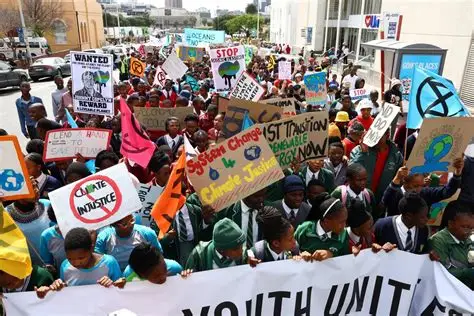
“Survivors and descendants of victims of the 1960 Sharpeville Massacre have launched a legal challenge against the South African government, seeking to overturn laws that blocked compensation for over six decades. The move has sparked renewed activism, with civil society groups rallying around demands for reparations and historical accountability.”
On September 3, 2026, survivors of the infamous Sharpeville Massacre and their families gathered at the Sharpeville Memorial to commemorate the tragedy and announce a landmark legal action against the South African government. This case, filed by Lawyers for Human Rights, seeks to overturn legislation passed in 1961 that prohibited survivors and dependents from pursuing claims against the state. The move has reignited debates about transitional justice, reparations, and the unfinished business of South Africa’s democratic transformation.
Historical Context
The Sharpeville Massacre occurred on March 21, 1960, when apartheid police opened fire on a peaceful protest against pass laws, killing 69 people and injuring at least 180. Many victims were shot in the back as they fled. The massacre became a defining moment in the global anti-apartheid struggle, exposing the brutality of white-minority rule and galvanizing international condemnation. Yet, despite its historical significance, survivors and families were denied compensation due to restrictive laws passed shortly after the massacre.
The Legal Challenge
The plaintiffs argue that the 1961 legislation was unjust and unconstitutional, effectively silencing victims and shielding the apartheid state from accountability. Lawyers for Human Rights emphasized that the case is not only about financial compensation but also about recognition, dignity, and historical justice. Activists recreated scenes of the massacre during the commemoration, painting their bodies red and lying across the memorial grounds to symbolize the bloodshed, while others marched with banners demanding reparations.
Voices of Survivors
Abram Mofokeng, now 87, recalled being shot in the foot and back during the massacre. His testimony, delivered with visible emotion, underscored the enduring trauma carried by survivors. Another plaintiff, Mpai Chabane, spoke of generational pain, noting that her grandmother was killed in the massacre, leaving her mother orphaned at the age of four. “Justice for us would be compensation because we have been waiting since forever,” she said.
Activism and Civil Society Response
Civil society organizations have rallied around the case, framing it as part of a broader struggle for reparations in South Africa. Activists argue that while apartheid formally ended in 1994, many injustices remain unresolved. The Sharpeville case has become a rallying point for movements demanding reparations for victims of apartheid-era violence, land dispossession, and systemic inequality. The case also resonates with global debates on reparations, from African-American communities in the United States to colonial victims in Europe.
Political Implications
The legal challenge places pressure on the South African government, which has often struggled to balance reconciliation with accountability. While the Truth and Reconciliation Commission (TRC) in the 1990s provided a platform for truth-telling, it did not deliver comprehensive reparations. Critics argue that the government’s failure to address historical injustices has perpetuated inequality and undermined trust in democratic institutions. The Sharpeville case could force the state to confront its obligations more directly.
Generational Dimensions
The activism surrounding the case highlights the intergenerational transmission of trauma. Descendants of victims argue that the massacre robbed them of family members, economic opportunities, and cultural continuity. For younger activists, the case is not only about honoring their ancestors but also about challenging ongoing inequalities in South Africa. This generational activism reflects a broader trend in global justice movements, where youth play a central role in demanding accountability for historical wrongs.
International Resonance
The Sharpeville case has drawn international attention, with human rights organizations framing it as part of a global struggle for reparations. Comparisons have been made to Germany’s reparations for Holocaust survivors and ongoing debates in the United States about slavery reparations. Activists argue that South Africa’s failure to adequately compensate victims undermines its moral authority in advocating for justice globally.
Challenges Ahead
Legal experts caution that the case faces significant hurdles, including constitutional challenges and questions of retroactive justice. The government may argue that reopening claims from decades ago could set a precedent with far-reaching financial implications. However, activists insist that justice cannot be measured solely in monetary terms. They argue that recognition, apology, and symbolic reparations are equally important.
Conclusion
The Sharpeville survivors’ legal challenge represents a powerful act of activism, bridging past and present struggles for justice in South Africa. It underscores the unfinished work of reconciliation and the enduring demand for accountability. Whether or not the case succeeds in court, it has already reignited activism, mobilized civil society, and forced the nation to confront its historical responsibilities. As Abram Mofokeng and others continue their fight, the Sharpeville case stands as a reminder that the wounds of apartheid remain open—and that activism is essential in the pursuit of justice.



