




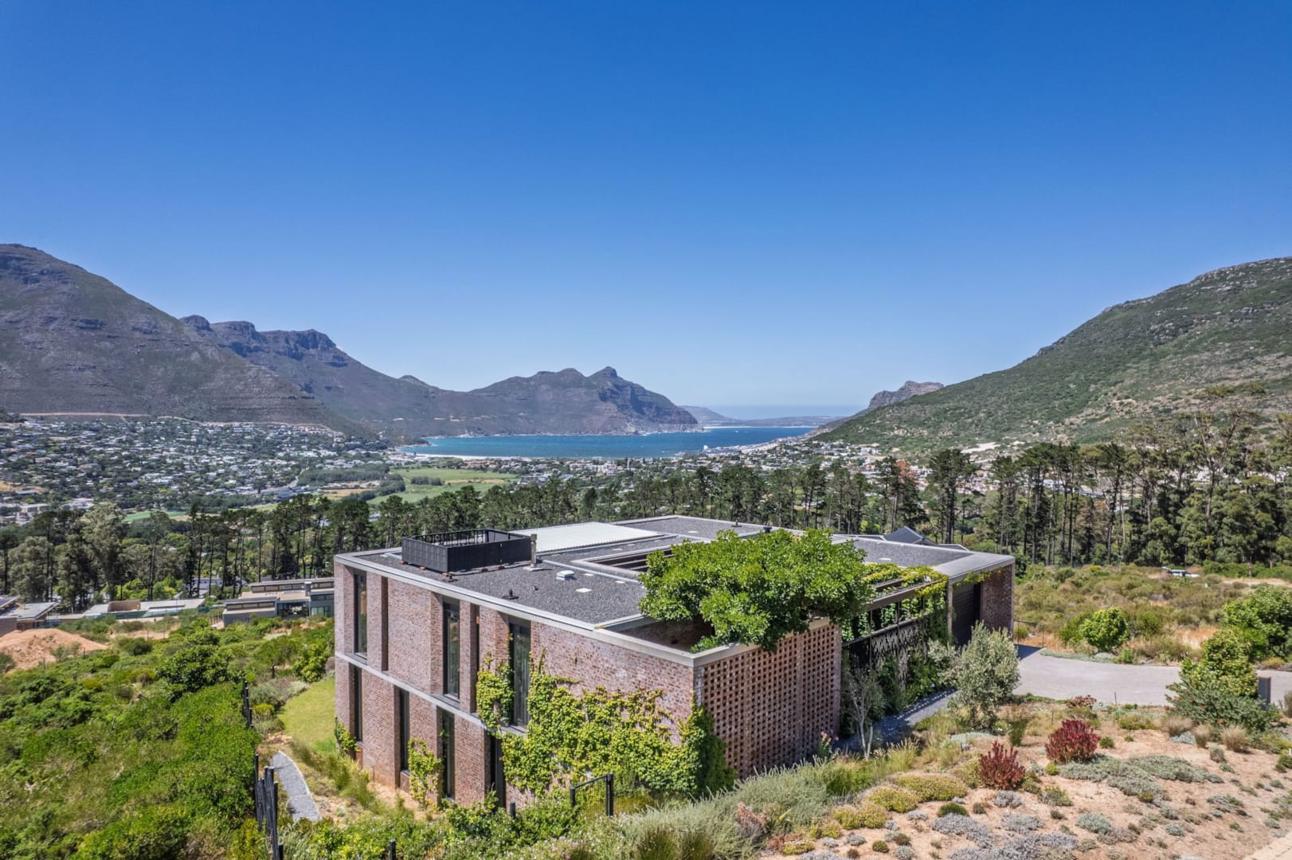
“Hout Bay, near Cape Town, has experienced a significant increase in property prices, with average transaction values rising from approximately R3.53 million five years ago to R8.5 million in 2026, according to Propstats data reported by BusinessTech. Limited property supply, demand from affluent South African and international buyers, and the appeal of luxury homes and gated estates are contributing to the market’s strength.”
Hout Bay’s Luxury Property Boom: Rising Prices, Scarce Supply and Growing Demand Reshape South Africa’s High-End Housing Market
Introduction
Hout Bay is strengthening its position as one of the Western Cape’s notable luxury residential destinations, supported by rising property prices, limited housing supply and demand from affluent buyers. The coastal suburb near Cape Town has attracted attention as transaction values increase and premium homes become more prominent in the local property market. Recent figures reported by BusinessTech indicate that the average property transaction price has climbed to approximately R8.5 million, compared with R3.53 million five years earlier.
The increase highlights an important development in South Africa’s luxury real estate sector: demand for desirable locations can remain resilient even when broader housing activity faces economic and affordability pressures. However, rising average prices do not mean every property is appreciating at the same rate. The mix of homes sold, the condition of individual properties and changing buyer preferences all influence market statistics.
Property prices reflect a changing market
According to the figures reported by BusinessTech, Hout Bay’s average transaction price has risen approximately 141% over five years. The average also increased from about R5.5 million in the previous year to approximately R8.5 million in 2026. The data was attributed to Propstats, with comments from Stephan Cross, manager of Seeff Hout Bay.
This growth places Hout Bay firmly on the radar of buyers considering premium residential property in the Cape Town area. The suburb combines coastal scenery, mountain views, established residential neighbourhoods and access to the wider metropolitan economy.
Nevertheless, the average transaction price needs careful interpretation. An increase in the number of expensive homes sold can lift the average even when prices for more moderately priced properties change less dramatically. Consequently, buyers and sellers should examine comparable sales in the relevant neighbourhood and property category rather than treating the overall average as a guaranteed valuation.
For homeowners, the figures may reinforce confidence in the long-term appeal of the area. For prospective purchasers, they demonstrate why independent valuations, financial planning and property inspections remain essential before making a substantial investment.
Why Hout Bay attracts luxury buyers
Hout Bay’s appeal rests partly on its combination of natural surroundings and residential convenience. The area offers coastal living, mountain scenery and access to Cape Town’s employment centres, restaurants, retail facilities and tourism attractions.
Luxury buyers frequently evaluate more than the size of a house. Privacy, architectural quality, security, outdoor space, views and proximity to amenities can all influence purchasing decisions. In Hout Bay, properties that combine these characteristics may appeal to buyers seeking either a permanent residence or a second home.
The suburb also provides an alternative to some of Cape Town’s better-known premium coastal neighbourhoods. Buyers comparing locations may consider the balance between lifestyle, property size, access to services and the amount of money required to purchase a particular type of home.
According to a separate report published by Bizcommunity on 13 October 2026, demand in Hout Bay has included buyers relocating from Gauteng and KwaZulu-Natal, as well as international purchasers, particularly from Germany and the United Kingdom. The report also identifies gated estates as an important part of the local luxury market.
This range of potential buyers can support demand, although international interest should not be interpreted as evidence that every premium listing will sell quickly or achieve its asking price.
Limited supply supports premium values
The availability of suitable properties is another important factor in Hout Bay’s housing market. Desirable homes in established locations cannot necessarily be reproduced in large numbers because land, topography, planning requirements and existing development patterns limit the supply of comparable sites.
Where buyers compete for a relatively small selection of properties, well-positioned homes can attract stronger interest. This is particularly relevant to residences with exceptional views, distinctive architecture, generous outdoor areas or access to secure residential estates.
The October 2026 reporting suggests that Hout Bay’s market has benefited from constrained supply and stronger demand for premium properties. Sellers have reportedly been achieving prices closer to their asking prices than in earlier years.
Even so, scarcity alone does not guarantee appreciation. Overpriced homes, properties requiring extensive renovation and residences with legal or maintenance complications may still struggle to attract buyers.
A sustainable investment decision therefore requires an assessment of the individual property, including its condition, title, municipal compliance, ongoing ownership expenses and realistic resale prospects.
Luxury estates raise the profile of Hout Bay
Gated residential estates are an important feature of the suburb’s high-end property offering. Such developments can attract buyers seeking controlled access, privacy, architectural consistency and a managed residential environment.
One example highlighted in the October reporting is Kerzner Estate, a luxury development associated with distinctive architecture and expansive views. Bizcommunity reported that a forthcoming residence, House 23, was being marketed off-plan at R43 million, including VAT, with occupation expected in the last quarter of 2027.
This asking price illustrates the premium attached to certain properties in the area, but it should not be confused with a completed sale or evidence that all homes in Hout Bay command similar values.
Luxury developments can also influence how a neighbourhood is perceived. High-specification architecture, landscaping and security infrastructure may strengthen the area’s profile among affluent purchasers. At the same time, development costs and the limited number of buyers able to afford ultra-premium homes can make this segment more sensitive to changes in financing conditions and consumer confidence.
For prospective buyers, the most important consideration is whether the price reflects genuine property attributes and comparable market evidence rather than marketing alone.
Opportunities for investors
Hout Bay’s rising transaction values may interest investors looking for residential assets in established Cape Town locations. Potential opportunities include long-term residential ownership, premium rentals and carefully selected holiday accommodation.
However, each strategy has different financial requirements.
Long-term residential investment depends on purchase price, rental demand, maintenance costs, vacancies and the eventual resale value. Holiday accommodation introduces additional considerations, including seasonal occupancy, cleaning, management, insurance and applicable municipal or estate rules.
Bizcommunity reported that a super-luxury home in Kerzner Estate had achieved a rental figure of R250,000 per month. This is a specific high-end example, not a representative rental rate for Hout Bay as a whole.
Investors should therefore calculate potential returns using verified rental evidence for comparable properties. They should also account for transfer costs, financing, property taxes and levies, maintenance reserves and the possibility of periods without tenants.
A property that appreciates in value can still deliver disappointing investment returns if the purchase price is excessive or the costs of ownership are underestimated.
What rising prices mean for buyers
For buyers entering the luxury market, increasing average values make due diligence particularly important.
The first step is to establish a realistic budget that includes more than the purchase price. Bond repayments, transfer duty where applicable, legal fees, insurance, municipal charges, security expenses and ongoing maintenance can materially affect affordability.
The second step is to compare genuinely similar properties. A modern residence with uninterrupted ocean views, high-quality finishes and established security arrangements may not be comparable with an older house requiring substantial renovations, even if both are located in the same suburb.
Buyers should also investigate the property’s legal status, building plans, title conditions, boundaries and any restrictions affecting renovations or rental use.
For international purchasers, currency movements, tax obligations and the costs of maintaining property from abroad may also influence the final decision.
Although market appreciation can reward patient owners, buyers should avoid assuming that the 141% increase reported over five years will continue at the same rate. Past performance provides context, not a reliable guarantee of future returns.
Implications for homeowners and sellers
Existing homeowners may view rising transaction values as an opportunity to reassess their property’s market position. However, a credible valuation should reflect recent comparable sales, location, condition, improvements and current buyer demand.
Sellers seeking to benefit from market interest should prepare their homes carefully, resolve maintenance issues and ensure that relevant property documentation is available.
Professional photography, accurate descriptions and realistic pricing can help attract suitable purchasers. Nevertheless, setting an asking price substantially above comparable market evidence may reduce interest and extend the selling period.
The reported improvement in seller outcomes suggests that some Hout Bay properties are attracting strong competition. It does not establish that every seller can achieve the asking price or complete a transaction within a particular timeframe.
For estate agents and property developers, the market presents an opportunity to demonstrate local knowledge, provide reliable valuations and explain the differences between standard residential housing and ultra-luxury homes.
Challenges and risks facing the luxury market
Despite its appeal, Hout Bay’s luxury property market faces risks common to high-value residential investments.
Affordability is one consideration. As prices increase, the pool of buyers who can comfortably purchase premium homes may become smaller. Changes in interest rates, lending conditions or household finances can influence purchasing decisions, even among relatively wealthy households.
Property-specific expenses also matter. Coastal and mountainous locations may require careful attention to weather exposure, drainage, maintenance and the condition of retaining structures, depending on the site.
Security, insurance availability and the reliability of municipal services should be evaluated individually rather than assumed to be satisfactory throughout the suburb.
Furthermore, luxury property is not always as liquid as lower-priced housing. A distinctive residence with a very high asking price may take time to find the right purchaser, particularly if market conditions weaken.
Investors should maintain adequate financial reserves and avoid relying entirely on short-term capital appreciation to justify a purchase.
Outlook for Hout Bay’s property market
The latest available reporting positions Hout Bay as a significant area to watch within South Africa’s luxury residential sector. Strong historical price growth, limited supply and interest in premium homes have helped elevate the suburb’s profile.
Future performance will depend on several factors, including the availability of desirable properties, the financial capacity of buyers, economic conditions and the continued appeal of Cape Town’s coastal lifestyle.
Developments in the ultra-luxury segment may also influence market perceptions, although the wider housing market will remain diverse, with apartments, sectional-title homes and conventional houses serving buyers at different price levels.
The most useful indicators to monitor include completed sales rather than asking prices alone, the time properties spend on the market, the gap between asking and achieved prices, and changes in the mix of homes being sold.
These measures would help determine whether recent price increases reflect broad-based appreciation or a concentration of expensive transactions.
Conclusion
Hout Bay’s reported 141% increase in average property transaction prices over five years highlights the growing importance of the Western Cape’s premium residential market. The combination of coastal appeal, limited supply, affluent buyers and luxury estates has strengthened the suburb’s position as a destination for high-end property purchases.
Nevertheless, headline figures should not replace careful research. Buyers must assess individual properties, ownership costs and financing risks, while sellers should base their expectations on comparable transactions and current market conditions.
For investors, the central question is not simply whether Hout Bay has become more expensive, but whether a particular property offers a sustainable combination of lifestyle value, rental potential and long-term financial prospects.
As South Africa’s luxury property sector continues to evolve, Hout Bay will remain a market worth monitoring. Its future trajectory will depend on whether demand can sustain premium valuations while economic realities, affordability and the availability of suitable homes continue to shape purchasing decisions.



