




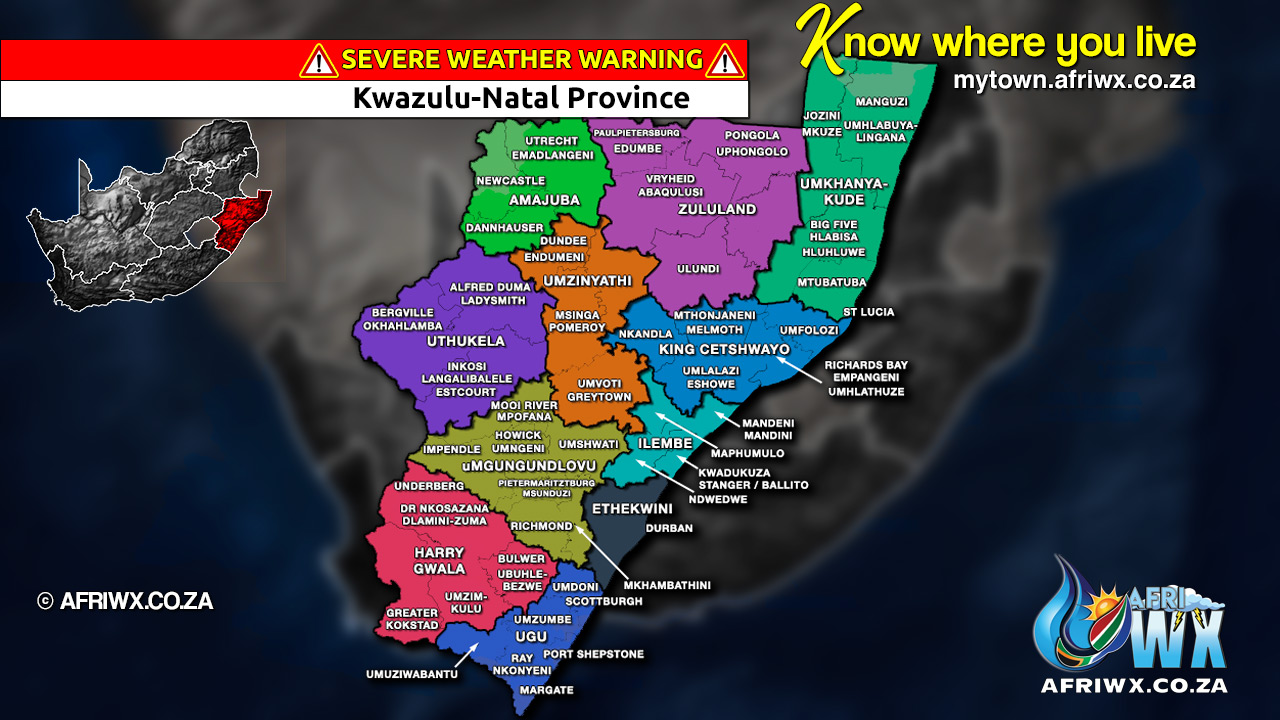
“South Africa is bracing for a powerful cold front, with level 2 snow warnings in KwaZulu-Natal and Lesotho and severe thunderstorms in the Eastern Cape. The South African Weather Service warns of icy roads, flooding, and damaging winds, underscoring the vulnerability of communities to climate extremes.”
On July 2, 2026, South Africa faces one of its most intense winter weather systems in recent years. The South African Weather Service (SAWS) has issued multiple warnings, including snowfall alerts in KwaZulu-Natal and Lesotho and severe thunderstorms in the Eastern Cape, raising concerns about infrastructure resilience and climate adaptation.
Weather Warnings in Detail
- Snowfall Risk: Level 2 yellow warnings predict snow in high-altitude areas of KwaZulu-Natal and Lesotho, with icy roads likely to cause closures.
- Thunderstorms: Level 1 severe storm warnings for the Eastern Cape and parts of KwaZulu-Natal include risks of hail, flooding, and damaging winds.
- Temperature Drops: Cities such as Johannesburg (7°C/15°C) and Bloemfontein (3°C/10°C) are experiencing sharp declines, while Sutherland records sub-zero temperatures.
Environmental Context
This weather event is not isolated. South Africa has seen increasingly erratic climate patterns, including prolonged droughts, destructive floods, and heatwaves. Experts argue that the current cold front is part of a broader trend of climate volatility, with local governments often at the frontline of disaster response.
Impact on Communities
- Transport: Road closures in mountainous regions threaten supply chains and daily commutes.
- Agriculture: Farmers face risks of crop damage from frost and flooding, adding pressure to food security.
- Energy Demand: Eskom anticipates higher electricity usage as households turn to heating, straining an already fragile grid.
- Public Safety: Vulnerable communities, especially informal settlements, are at risk of flooding and storm damage.
Government Response
The Department of Forestry, Fisheries and the Environment (DFFE) has emphasized the need for climate resilience strategies, including:
- Wetland rehabilitation to absorb floodwaters.
- Catchment restoration to stabilize ecosystems.
- Urban greening to reduce heat stress.
- Strengthened early warning systems for municipalities.
Climate Change Connection
South Africa’s weather extremes reflect global climate trends. Rising greenhouse gas emissions contribute to polar vortex disruptions, which can push cold air masses further south, intensifying winter storms. At the same time, warmer oceans fuel stronger thunderstorms, creating a dangerous mix of hazards.
Expert Opinions
- Meteorologists warn that snow in KwaZulu-Natal, once rare, may become more frequent as climate systems destabilize.
- Environmental activists argue that the government must accelerate renewable energy adoption to reduce emissions.
- Local officials stress the importance of community-level preparedness, noting that municipalities are often first responders when disasters strike.
Long-Term Solutions
South Africa’s path forward requires:
- Investment in resilient infrastructure (roads, bridges, drainage systems).
- Community education on disaster preparedness.
- Regional cooperation with Lesotho and neighboring countries to manage cross-border climate risks.
- Integration of climate considerations into urban planning and housing development.
Conclusion
The snow and storms of July 2, 2026, are more than a weather event—they are a wake-up call about South Africa’s vulnerability to climate change. As extreme weather becomes more frequent, the country must strengthen adaptation strategies, protect vulnerable communities, and align national policy with global climate goals.



