




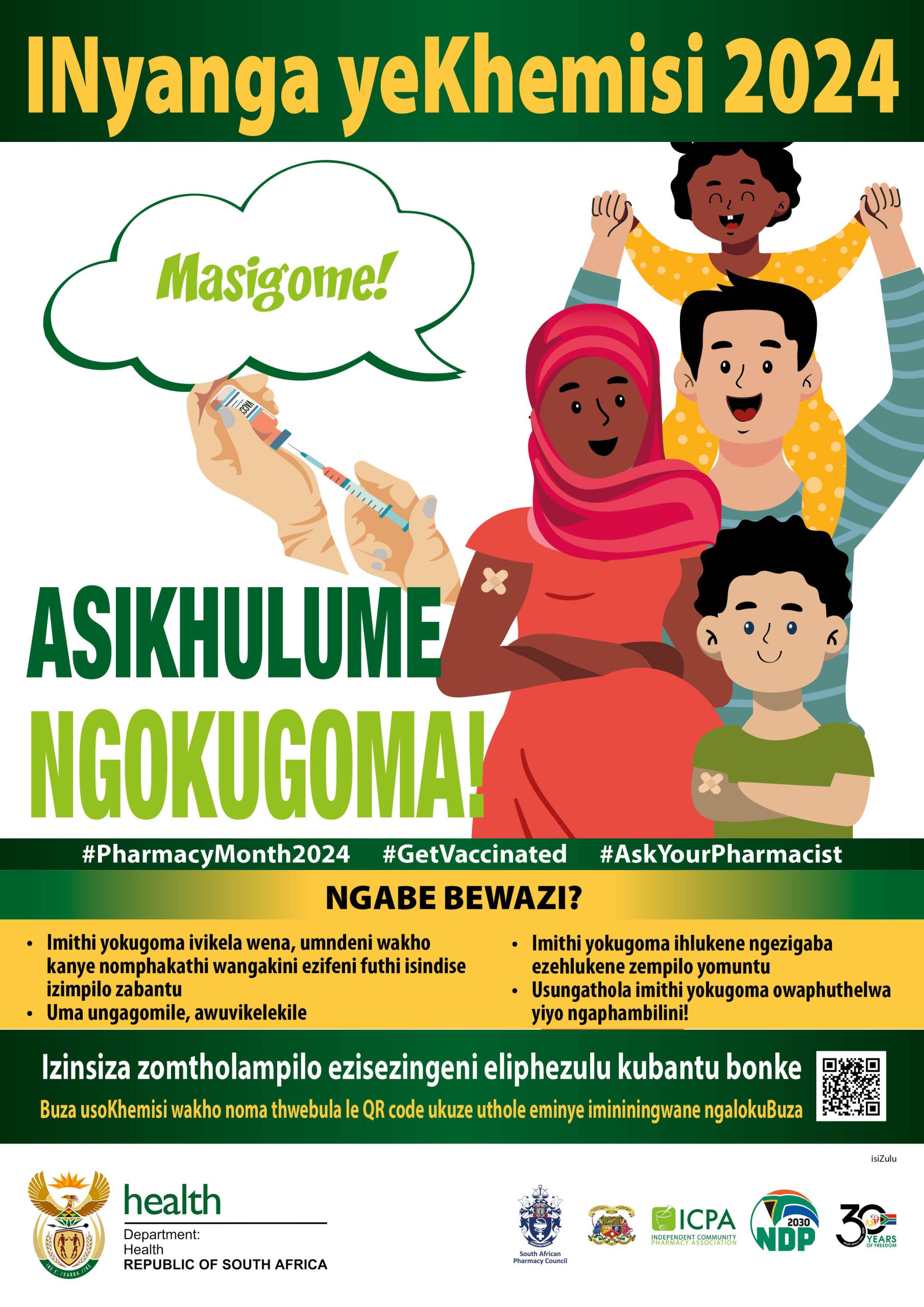
“South Africa is grappling with a resurgent outbreak of measles and rubella, with 4,188 measles cases and 506 rubella cases confirmed between December 2025 and August 2026. Authorities are launching urgent vaccination campaigns and community engagement programs to counter misinformation and prevent further spread.”
South Africa’s healthcare system is once again under strain as measles and rubella outbreaks spread across multiple provinces. Once close to elimination, these highly contagious viral diseases have resurged, exposing vulnerabilities in vaccination coverage and public trust in health systems. The National Institute for Communicable Diseases (NICD) has confirmed thousands of new cases, with a sharp rise in the past two weeks, underscoring the urgency of intervention.
Provincial Breakdown
The outbreak is nationwide, affecting both urban and rural provinces:
- Limpopo: 22 new measles cases in the latest week
- Gauteng: 21 new cases
- Northern Cape: 21 new cases
- KwaZulu-Natal: 17 new cases
- Free State: 16 new cases
- Western Cape: 9 new cases
- North West: 8 new cases
- Eastern Cape: 6 new cases
- Mpumalanga: 5 new cases
This geographic spread highlights the national scale of the crisis, with both densely populated cities and remote communities affected.
Public Health Risks
- Measles: Can lead to pneumonia, encephalitis, and even death.
- Rubella: Usually mild but dangerous during pregnancy, potentially causing Congenital Rubella Syndrome (CRS).
The dual outbreak poses a serious threat to children and pregnant women, the most vulnerable groups in society.
Government Response
Authorities have launched a multi-pronged strategy:
- Vaccination campaigns targeting children and vulnerable groups.
- Community engagement to counter vaccine hesitancy and misinformation.
- Enhanced surveillance through the Notifiable Medical Conditions Surveillance System (NMCSS).
- Healthcare worker training to improve case detection and reporting.
Despite these efforts, challenges remain, particularly in rural areas where logistical barriers hinder vaccine distribution.
Challenges
- Vaccine hesitancy driven by misinformation and distrust in health systems.
- Coverage gaps: WHO recommends 95% coverage for herd immunity, but South Africa is falling short.
- Resource diversion: Outbreak risks pulling attention away from tuberculosis and HIV.
These challenges highlight the fragility of South Africa’s healthcare system, already burdened by multiple infectious diseases.
International Context
South Africa’s outbreak mirrors global trends:
- Europe & Asia: Similar resurgences due to declining vaccination rates.
- WHO warning: Measles elimination goals are at risk worldwide.
This underscores the global nature of vaccine hesitancy and its impact on disease control.
Expert Opinions
Public health experts warn that unless vaccination coverage improves, outbreaks will continue to resurface. They emphasize the need for trust-building campaigns, particularly in communities skeptical of government health initiatives.
Conclusion
The measles and rubella outbreaks in South Africa serve as a wake-up call for both national and global health systems. Without decisive action to restore confidence in vaccines and strengthen healthcare delivery, the country risks reversing decades of progress in disease elimination.



