




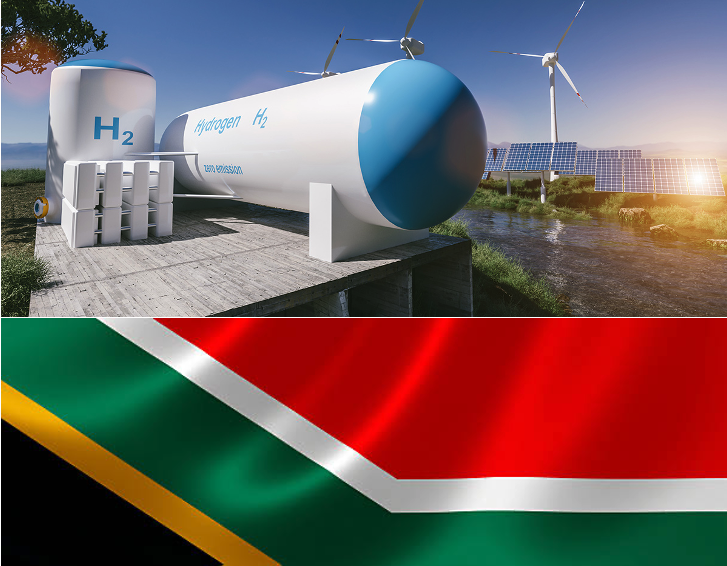
“South Africa has allocated R10.4 billion to strengthen science, technology, and innovation, with energy security as a central pillar. The funding will drive hydrogen technologies, renewable energy solutions, and infrastructure upgrades to ensure a sustainable power supply.”
South Africa has taken a decisive step toward reshaping its energy future by committing R10.4 billion to science, technology, and innovation (STI) for the 2026/27 financial year. This allocation, announced by Minister Blade Nzimande and Deputy Minister Nomalungelo Gina, reflects the government’s determination to place STI at the heart of national development. Guided by the Decadal Plan 2022–2032, the budget prioritizes energy security, renewable technologies, and hydrogen innovation as critical drivers of economic growth and sustainability.
Energy Security as a Strategic Priority
Energy security has long been a pressing issue in South Africa, where rolling blackouts and reliance on coal have hindered economic progress. The new STI budget directly addresses this challenge by investing in:
- Hydrogen technologies: Development of green hydrogen as a clean alternative fuel.
- Renewable energy solutions: Expansion of solar, wind, and hydroelectric infrastructure.
- Grid modernization: Upgrading transmission systems to integrate renewable sources.
- Research and innovation hubs: Establishing centers dedicated to energy research and commercialization.
These initiatives aim to reduce dependence on fossil fuels, cut carbon emissions, and ensure a stable energy supply for industries and households.
Hydrogen Development: A Game-Changer
Hydrogen is at the forefront of South Africa’s energy innovation strategy. The government envisions hydrogen as a cornerstone of its transition to a low-carbon economy. Investments will support pilot projects, industrial applications, and export opportunities, positioning South Africa as a potential hydrogen hub for Africa. This aligns with global trends, as countries like Japan and Germany are also betting heavily on hydrogen to meet climate goals.
Renewable Energy Expansion
The STI budget emphasizes scaling up renewable energy infrastructure. South Africa already has significant solar and wind potential, and the new funding will accelerate deployment. Key projects include:
- Large-scale solar farms in the Northern Cape.
- Wind energy corridors along the Eastern and Western Cape.
- Hydroelectric upgrades to existing dams.
By diversifying its energy mix, South Africa aims to achieve long-term sustainability and reduce vulnerability to global fuel price fluctuations.
Skills Development and Research Capacity
Beyond infrastructure, the budget invests in high-level skills development. The Presidential PhD Programme will expand, focusing on energy-related research. This ensures a pipeline of scientists, engineers, and innovators capable of driving the energy transition. The government also plans to raise gross expenditure on R&D to 1.5% of GDP, a significant increase that underscores its commitment to innovation.
Partnerships and Global Collaboration
South Africa recognizes that energy innovation requires collaboration. The STI budget encourages partnerships with:
- Private sector companies to co-develop technologies.
- International organizations such as the Square Kilometre Array Observatory, which already has strong ties to South Africa.
- African and Global South partners to share knowledge and resources.
These collaborations will enhance South Africa’s global competitiveness and strengthen its role in international energy research.
Challenges Ahead
Despite the ambitious plans, challenges remain:
- Equitable access: Ensuring that rural and marginalized communities benefit from energy innovation.
- Digital divide: Bridging gaps in access to modern technologies.
- Sustainable funding: Maintaining financial support beyond the initial allocation.
Addressing these challenges will be critical to ensuring that energy innovation translates into inclusive development.
Opportunities for Growth
The opportunities, however, are immense:
- Job creation in renewable energy industries.
- Industrialization driven by clean energy technologies.
- Export potential for hydrogen and renewable expertise.
- Environmental benefits through reduced emissions and improved air quality.
By leveraging these opportunities, South Africa can position itself as a leader in the global energy transition.
Conclusion
The R10.4 billion STI budget marks a transformative moment for South Africa’s energy landscape. By prioritizing hydrogen, renewable energy, and research capacity, the government is laying the foundation for a sustainable, inclusive, and globally competitive future. Energy innovation under the Sci-Tech agenda is not just about powering homes and industries—it is about powering South Africa’s vision of prosperity, resilience, and leadership in the 21st century.



