




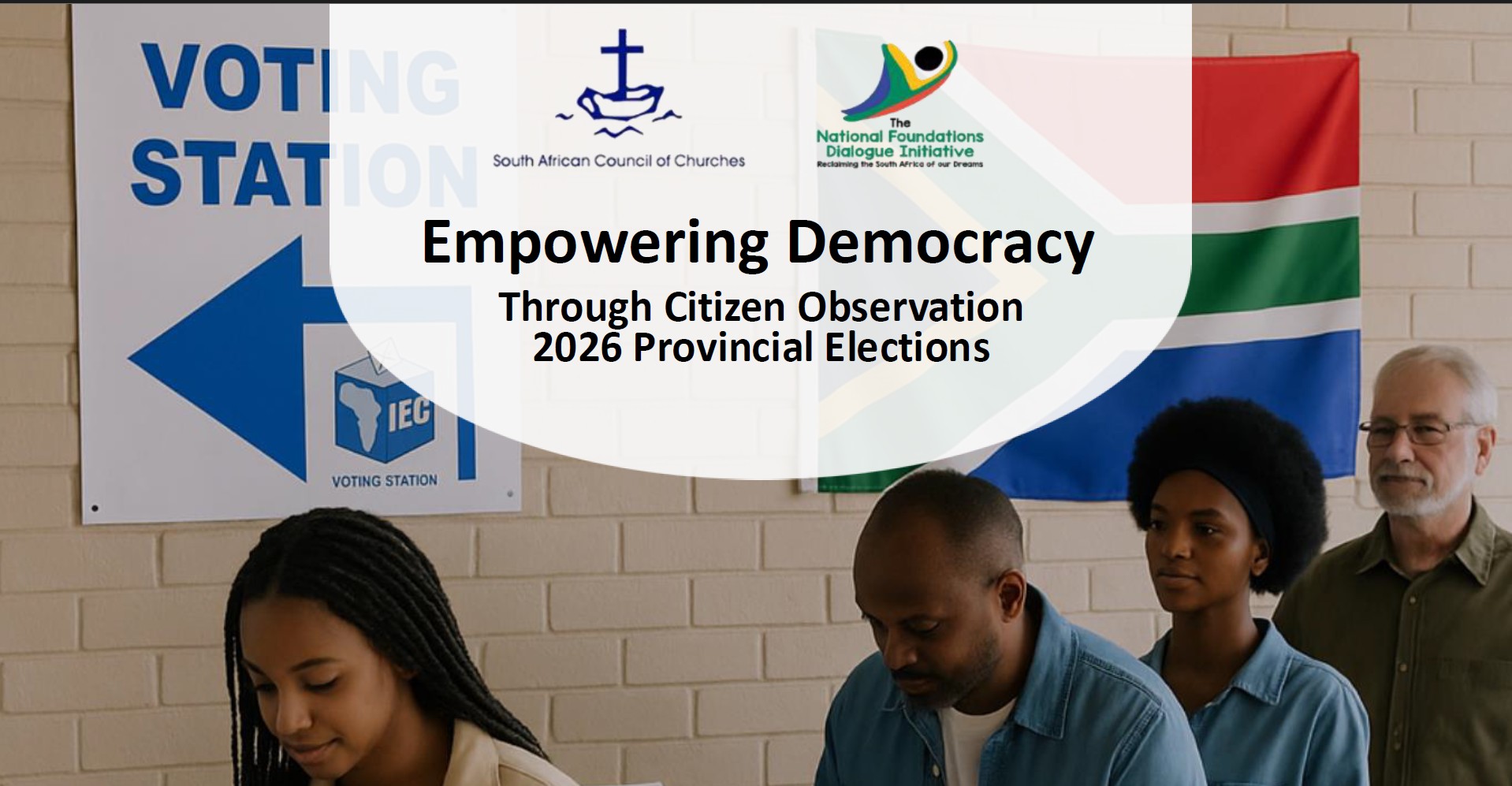
“South Africa’s Cooperative Governance Minister Velenkosini Hlabisa has formally proclaimed November 4, 2026 as the date for nationwide local government elections, triggering a strict 90-day electoral timetable. The Independent Electoral Commission (IEC) confirmed that the voters’ roll has closed with a record-breaking 29 million registered voters, setting the stage for one of the most competitive municipal contests in the nation’s history.”
South Africa has entered a decisive phase in its democratic journey as the Cooperative Governance and Traditional Affairs (CoGTA) Minister Velenkosini Hlabisa officially proclaimed Wednesday, 4 November 2026 as the date for the local government elections. This announcement, published in the Government Gazette, has triggered a legally binding electoral timetable that will govern the next 90 days of political activity, voter preparation, and candidate nominations. The proclamation not only sets the stage for a fiercely contested municipal election but also underscores the importance of service delivery, accountability, and adherence to democratic principles in a country grappling with economic and social challenges.
Historic Voter Roll
The IEC confirmed that South Africa’s voters’ roll has closed with over 29 million registered voters, the highest in the nation’s history. This figure reflects a surge in youth participation, driven by digital registration platforms and grassroots mobilization campaigns. The IEC chairperson Mosotho Moepya emphasized that this milestone demonstrates the resilience of South Africa’s democracy and the growing political consciousness among younger citizens. The closing of the roll at midnight on August 7 means no further registrations or updates will be accepted, locking in the electorate for the upcoming polls.
Candidate Nominations
With the proclamation, candidate nominations have officially opened. Political parties and independent candidates have until 28 August 2026 at 5:00 p.m. to submit their lists and nomination documents. The IEC has introduced strict financial deposits and compliance requirements to ensure credibility and seriousness among contenders. Currently, South Africa boasts 674 registered political parties, ranging from national organizations to local community-based movements. This diversity reflects the vibrancy of the political landscape but also raises questions about fragmentation and coalition-building in municipal governance.
Electoral Code of Conduct
The proclamation also activates the Electoral Code of Conduct, which mandates ethical campaigning, prohibits intimidation, and enforces transparency in political financing. Parties are expected to adhere to strict rules governing rallies, advertising, and public communication. The IEC has warned that violations will be met with penalties, including disqualification of candidates. This framework is designed to safeguard the integrity of the elections and prevent the spread of disinformation, a growing concern in the digital age.
Political Stakes
The November elections are widely seen as a referendum on local governance and service delivery. Municipalities across South Africa have faced mounting criticism over corruption, mismanagement, and infrastructure failures. The ruling African National Congress (ANC), which secured 40.18% of the vote in earlier local contests, faces stiff competition from the Democratic Alliance (DA), the Economic Freedom Fighters (EFF), and the newly influential M.K. party. Smaller parties such as the Inkatha Freedom Party (IFP) and ActionSA are also expected to play pivotal roles in coalition negotiations.
Youth Participation
One of the most notable developments is the surge in youth registration. The IEC reported nearly two million registration transactions during the second registration weekend, with digital platforms such as WhatsApp and the IEC’s online portal expanding access. Analysts argue that this youth-driven momentum could reshape electoral outcomes, particularly in urban municipalities where service delivery failures have disproportionately affected younger populations.
Challenges Ahead
Despite the optimism surrounding voter engagement, challenges remain. The Auditor-General recently warned that all metropolitan municipalities failed audits, raising concerns about financial accountability. Additionally, the IEC faces logistical hurdles in managing mobile voting stations, special vote applications, and ensuring security across volatile regions. The credibility of the elections will hinge on the commission’s ability to deliver a transparent and efficient process.
Conclusion
As South Africa prepares for the November 4 local government elections, the nation stands at a crossroads. With a record-breaking electorate, heightened youth participation, and an unprecedented number of political parties, the stakes could not be higher. The next 90 days will test the resilience of South Africa’s democratic institutions, the integrity of its political actors, and the patience of its citizens. Ultimately, the elections will serve as a litmus test for the country’s commitment to accountability, service delivery, and democratic renewal.



