




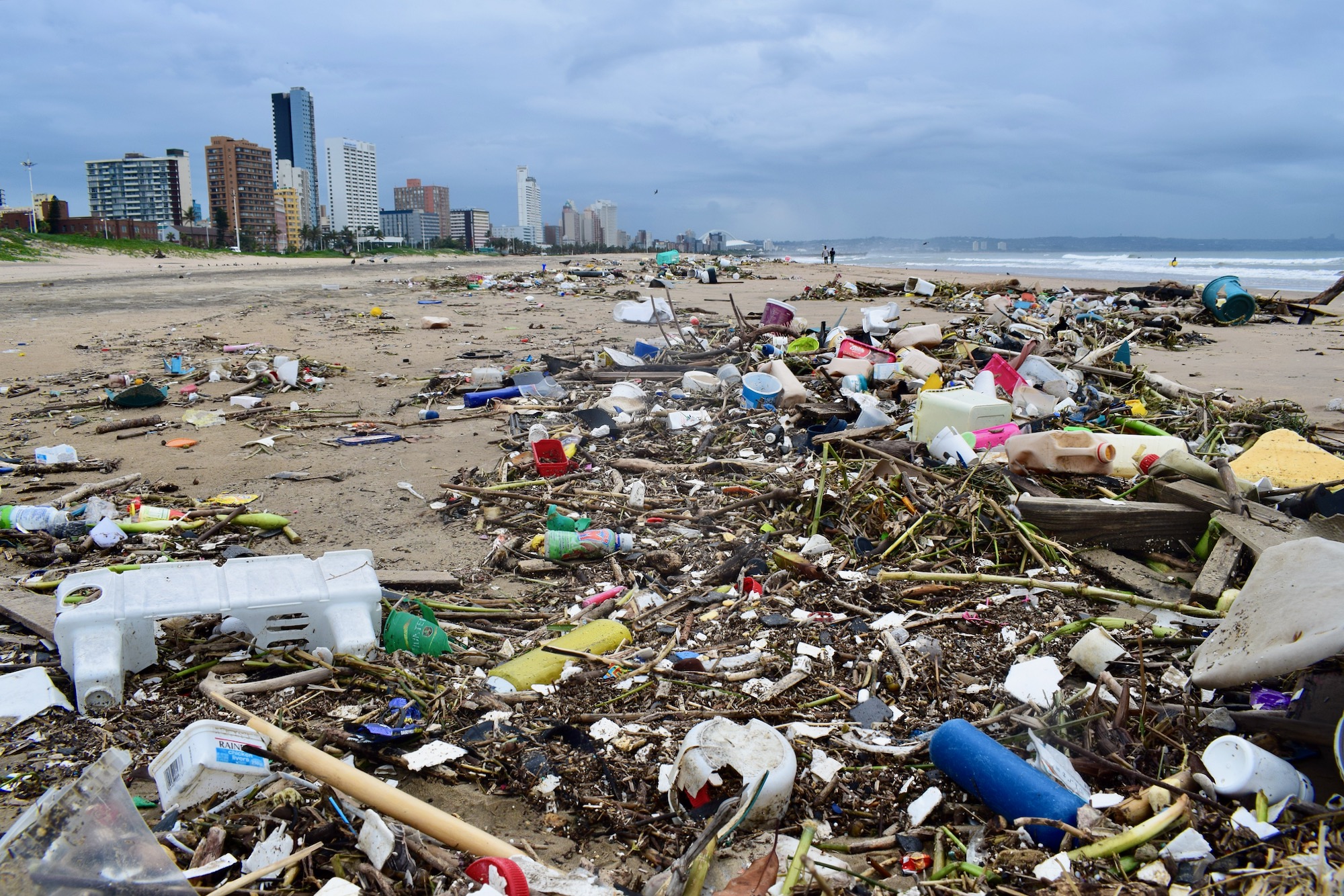
“South Africa marked World Oceans Day 2026 by unveiling two groundbreaking Water Research Commission studies that trace the movement of microplastics and pollutants from rivers into estuaries and oceans. The research underscores that plastic pollution is not just a waste issue but a systemic environmental challenge impacting biodiversity, livelihoods, and socio-economic resilience.”
South Africa’s environmental research community has sounded a powerful alarm: plastic pollution is infiltrating the nation’s rivers, estuaries, and oceans at unprecedented levels. On World Oceans Day 2026, the Water Research Commission (WRC) released two landmark studies that provide the most comprehensive evidence yet of how inland pollution cascades downstream, ultimately threatening marine ecosystems, human health, and economic stability. Deputy Minister of Forestry, Fisheries and the Environment, Narend Singh, emphasized that the findings demand a “new relationship with our ocean” — one that recognizes the interconnectedness of human activity and ecological health.
Key Findings of the Studies
- Microplastics in Urban Rivers: The first study, Assessing the impact of different pollution sources on the type of microplastics, associated microbial communities, antimicrobial resistance and transport of microplastics in selected urban rivers in South Africa, revealed that rivers such as the Msunduzi and Swartkops are conduits for microplastics originating from inland urban centers.
- Durban Bay Resilience: The second study, Transforming the future of Durban Bay: Strengthening socio-ecological resilience, highlighted how estuarine ecosystems are being reshaped by pollutants, with implications for biodiversity, fisheries, and coastal livelihoods.
Together, these studies demonstrate that plastic pollution is not isolated to coastal regions but is deeply embedded in South Africa’s freshwater systems.
Environmental and Socio-Economic Impacts
- Biodiversity Loss: Microplastics disrupt aquatic food chains, threatening fish populations and bird species dependent on riverine ecosystems.
- Human Health Risks: Pollutants carry microbial communities and antimicrobial resistance, raising concerns about waterborne diseases and long-term health effects.
- Economic Consequences: Fisheries, tourism, and agriculture — sectors vital to South Africa’s economy — face mounting risks as pollution undermines ecosystem services.
- Community Resilience: Vulnerable communities reliant on rivers for food and livelihoods are disproportionately affected, exacerbating inequality.
Government and Policy Response
Deputy Minister Singh stressed that plastic pollution is more than a waste management issue. It requires integrated policy responses that link urban planning, industrial regulation, and community engagement. The government is expected to expand citizen science initiatives, empowering local communities to monitor pollution and contribute to resilience-building.
Scientific Innovation and Citizen Science
The WRC studies also highlight the role of citizen science in bridging gaps between research and community action. By involving ordinary citizens in monitoring water quality and pollution, South Africa is fostering a culture of environmental stewardship. This approach not only enhances data collection but also strengthens public awareness and accountability.
Global Context
South Africa’s findings resonate globally. Plastic pollution has emerged as one of the defining environmental challenges of the 21st century, with rivers worldwide acting as highways for waste into oceans. The WRC’s research contributes to international efforts to understand and mitigate this crisis, aligning with the United Nations Sustainable Development Goals (SDGs), particularly SDG 14: Life Below Water.
Future Directions
- Strengthening Regulations: Stricter controls on industrial discharge and urban waste management.
- Investing in Innovation: Development of biodegradable materials and improved recycling infrastructure.
- Regional Collaboration: Partnerships with neighboring countries to address transboundary pollution.
- Education and Awareness: Expanding environmental education to instill sustainable practices from an early age.
Conclusion
The WRC’s studies mark a turning point in South Africa’s environmental science landscape. By exposing the hidden pathways of plastic pollution, they compel policymakers, industries, and communities to act decisively. As Singh noted, the challenge is not merely technical but deeply social — requiring a collective reimagining of humanity’s relationship with water and oceans.
South Africa’s rivers are more than waterways; they are lifelines connecting inland communities to the sea. Protecting them is not optional — it is essential for the country’s ecological survival and socio-economic resilience.



