




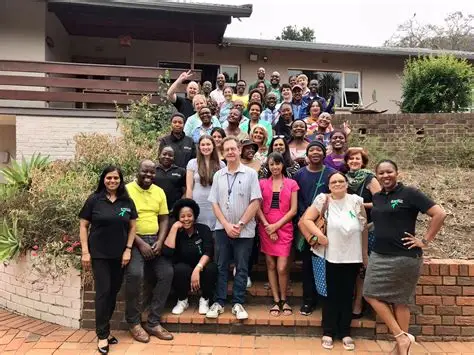
“South Africa has launched Psychosocial Disability Awareness Month (PDAM) in August 2026 to address decades of neglect, stigma, and underfunding in mental health. The initiative prioritizes youth empowerment, community-based care, and digital innovation to tackle rising depression, anxiety, and suicide rates.”
South Africa is grappling with what experts describe as a “silent epidemic” of mental health challenges. Despite significant progress in HIV treatment and public health infrastructure, mental health has remained underfunded, stigmatized, and largely ignored. In response, the South African Federation for Mental Health (SAFMH) has declared August 2026 as Psychosocial Disability Awareness Month (PDAM), a bold initiative aimed at confronting systemic failures and demanding accountability from government leaders and society.
The Silent Epidemic
The statistics are alarming: 90% of individuals with mental health conditions receive no care, and the country has fewer than one psychiatrist per 100,000 people. Rural communities remain underserved, and cultural stigma continues to discourage help-seeking. These failures perpetuate cycles of poverty, unemployment, and family breakdown, undermining national development.
Youth at the Center
PDAM places young people at the heart of reform. Rising rates of depression, anxiety, and suicide among youth are linked to unemployment, poverty, and limited access to counseling services. Suicide has now become the third leading cause of death among young South Africans, underscoring the urgency of intervention. Youth leaders are encouraged to build peer support networks, advocate for mental health education, and challenge stigma in their communities.
Community-Based Care
The campaign shifts focus from institutional treatment to localized, accessible support systems:
- Mobile clinics to reach rural areas.
- Integration into primary care to reduce stigma.
- Peer support networks in schools and universities.
This mirrors global best practices, emphasizing prevention and early intervention rather than crisis-driven hospitalization.
Technology and Innovation
Young South Africans are increasingly turning to AI-powered chatbots for confidential support. Tools like AIMEE, launched in 2025, have already facilitated over 15,000 conversations covering issues such as abuse, family conflict, and school stress. This reflects a generational shift toward digital-first mental health support, filling gaps left by the public health system.
Human Rights Advocacy
SAFMH frames mental health reform as a fundamental human right. Ignoring untreated mental illness is no longer acceptable, and PDAM calls for systemic accountability. The campaign emphasizes that mental health is not just a medical issue but a social justice imperative.
Broader Implications
The declaration of PDAM signals a turning point in South Africa’s public health narrative. By prioritizing mental health alongside other pressing health challenges, the country acknowledges that sustainable development cannot be achieved without addressing the psychological well-being of its citizens.
Conclusion
South Africa’s Psychosocial Disability Awareness Month is more than a symbolic gesture—it is a call to action. With youth suicide rates climbing, treatment gaps widening, and stigma persisting, the campaign represents a crucial step toward building a society where mental health is recognized, respected, and resourced.



