




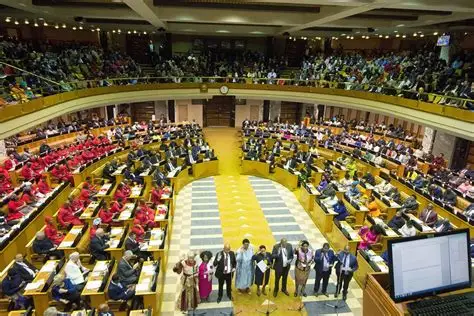
“South Africa’s Cabinet has introduced landmark reforms covering coalition governance, procurement modernization, criminal justice oversight, and illicit mining crackdowns. These measures aim to stabilize fragile coalitions, restore institutional trust, and modernize governance structures nationwide.”
South Africa has entered a decisive phase in its governance journey with the Cabinet’s announcement of sweeping legislative reforms in late August 2026. These reforms represent one of the most ambitious governance packages in recent years, spanning coalition governance, criminal justice oversight, illicit mining crackdowns, procurement modernization, and public service accountability. The overarching goal is to restore trust in institutions, stabilize fragile coalitions, and modernize governance structures across the country.
Coalition Governance Reform
At the heart of the reforms lies the Municipal Structures Amendment Bill (29 July 2026). This bill introduces mandatory qualifications for councillors appointed as municipal office bearers, prescribed timelines for electing mayors and deputy mayors to reduce delays, clear procedures for removing office bearers, and flexible voting mechanisms (show of hands or secret ballot) to reduce disputes.
For years, fragile coalitions have collapsed, stalling projects and weakening accountability. This reform is expected to reduce political instability, ensuring uninterrupted service delivery to communities. By professionalizing local government leadership, the bill ensures that those entrusted with municipal responsibilities have the necessary skills and qualifications.
Criminal Justice System Reform
The Madlanga Inquiry into corruption and political interference in the criminal justice system has been extended until 31 October 2026. This extension underscores the government’s commitment to a thorough investigation into systemic failures undermining accountability.
Key objectives include:
- Restoring credibility in law enforcement and judicial institutions.
- Strengthening judicial independence.
- Reducing political meddling in high-profile cases.
The inquiry is expected to produce recommendations that will reshape prosecutorial independence and rebuild public confidence in the justice system.
Tackling Illicit Mining
Illicit mining, known locally as Zama Zama operations, has plagued South Africa’s economy and communities. The General Mining Laws Amendment Bill criminalizes illicit mining activities, introducing tougher penalties including longer prison terms and higher fines.
Expected outcomes include:
- Protecting vulnerable communities from unsafe mining practices.
- Safeguarding the environment from destructive mining methods.
- Securing revenue streams for the state by curbing illegal operations.
Procurement Modernization
Procurement has long been a weak link in South Africa’s governance framework, often associated with corruption scandals and inefficiency. The reforms introduce digital procurement platforms, transparency mechanisms, and stricter oversight to ensure fair competition and accountability.
This modernization is expected to:
- Reduce corruption in tender processes.
- Improve efficiency in service delivery.
- Enhance trust between government and citizens.
Public Service Accountability
The reforms also emphasize accountability in the public service. New measures include performance-based contracts for senior officials, stricter disciplinary procedures, and enhanced whistleblower protections.
By holding officials accountable, the government aims to rebuild public trust and ensure that service delivery meets the needs of citizens.
Broader Implications
These reforms collectively signal a new era of governance in South Africa. They address long-standing challenges such as coalition instability, corruption in the justice system, illicit mining, and procurement inefficiencies.
The success of these reforms will depend on effective implementation, political will, and sustained public engagement. If successful, they could serve as a model for other African nations grappling with similar governance challenges.
📊 Key Takeaways
- Coalition Governance: Professionalization of municipal leadership.
- Justice Reform: Extended inquiry into corruption and political interference.
- Illicit Mining: Criminalization with tougher penalties.
- Procurement: Digital platforms and transparency mechanisms.
- Public Service: Accountability through performance contracts and whistleblower protections.



