




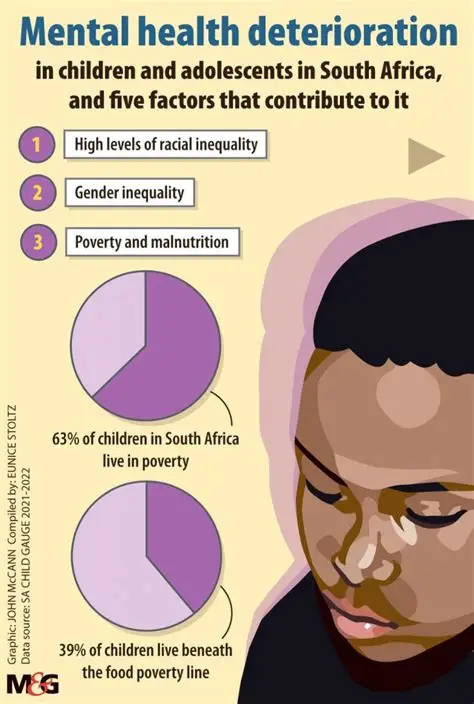
“South Africa’s youth are experiencing unprecedented levels of depression, anxiety, and burnout, with suicide now ranking as the third leading cause of death among those under 30. Experts warn that systemic underfunding, stigma, and limited access to care have created a national emergency requiring immediate intervention.”
South Africa is grappling with a youth mental health emergency of historic proportions. The HealthTrend2026 Report, released by Discovery Health, paints a stark picture: mental health conditions among South Africans aged 18–30 have surged by 80% in the past decade, with suicide now the third leading cause of death in this demographic.
The Scale of the Crisis
- Prevalence Surge: Between 2015 and 2025, the proportion of young adults claiming for mental health conditions rose from 1 in 12 to 1 in 7.
- Treatment Uptake: The number of individuals seeking psychiatric or psychological treatment tripled between 2012 and 2024.
- Current Burden: By 2024, 15% of medical scheme members were actively receiving treatment.
Suicide and Self-Harm Trends
- Suicide is now the third leading cause of death among South Africans under 30.
- Between 2020 and 2024, self-harm-related claims among those under 24 rose by 32%, compared to 18% among older demographics.
- Experts emphasize proactive screening and evidence-based interventions to prevent further loss of life.
Contributing Factors
- Burnout: Over 52% of employed South Africans report mental health conditions, with burnout topping the list.
- Economic Stress: High youth unemployment exacerbates depression and anxiety.
- Stigma: Cultural stigma continues to discourage help-seeking behavior.
Policy and Healthcare Gaps
- South Africa has fewer than one psychiatrist per 100,000 people, severely limiting access to care.
- The South African Depression and Anxiety Group (SADAG) estimates that 1 in 3 South Africans will be diagnosed with a mental health condition at some point in their lives.
- Rural communities remain particularly underserved.
Community and Digital Interventions
- Young South Africans increasingly turn to digital-first solutions such as AI-powered chatbots and online therapy platforms.
- Psychotherapy and digital support tools account for 71% of care utilization among 20–29-year-olds.
- Campaigns like Psychosocial Disability Awareness Month (PDAM) emphasize community-based care, peer support, and technology-driven interventions.
Human Rights and Advocacy
The South African Federation for Mental Health (SAFMH) frames mental health reform as a human rights issue, arguing that untreated mental illness perpetuates cycles of poverty, unemployment, and family breakdown. Ignoring this crisis is no longer acceptable.
Conclusion
South Africa’s youth mental health crisis is not a distant threat—it is a present reality. With suicide claiming more young lives than ever before, urgent action is required from policymakers, healthcare providers, and communities. Expanding access to care, reducing stigma, and leveraging digital innovation are critical steps toward reversing this alarming trend.



