




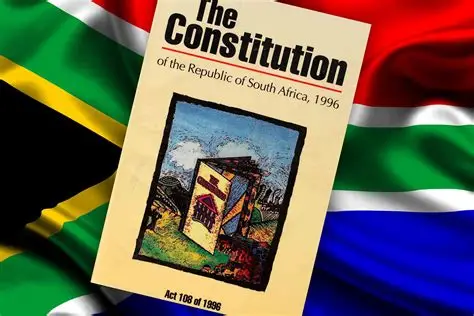
“South Africa has entered a new constitutional era with the commencement of the Constitution Eighteenth Amendment Act, granting the High Court broader authority over constitutional matters and tightening judicial review of parliamentary and executive actions. The reform is expected to enhance accountability, reduce case backlogs, and improve investor confidence in the country’s legal and governance framework.”
On 2 July 2026, South Africa officially commenced the Constitution Eighteenth Amendment Act, marking a decisive shift in the country’s governance framework. This legislation, published in the Government Gazette, strengthens judicial oversight and expands the jurisdiction of the High Court, positioning the judiciary as a more active guardian of constitutional principles. The amendment arrives at a critical juncture, as the Government of National Unity (GNU) faces mounting pressure to demonstrate stability and accountability ahead of the 2026 Local Government Elections.
Background and Context
The amendment follows years of debate over the judiciary’s role in safeguarding democracy. Previous constitutional changes focused largely on fiscal discipline and administrative reforms. However, persistent ideological divisions within the GNU—particularly over land reform, employment equity, and healthcare regulation—highlighted the need for stronger judicial intervention. The judiciary had already emerged as a “third actor” in resolving disputes, and this amendment formalizes that role.
Key Provisions
- Expanded High Court Jurisdiction: The High Court now has broader authority to adjudicate constitutional matters, reducing reliance on the Constitutional Court for preliminary disputes.
- Strengthened Oversight Mechanisms: Parliamentary and executive actions are subject to stricter judicial review, ensuring that constitutional principles are upheld.
- Erratum Notice: The Gazette included clarifications to ensure precise application of the amendment.
Implications for Governance
- Enhanced Accountability: The amendment ensures that executive power is not exercised arbitrarily, reinforcing checks and balances.
- Judicial Efficiency: By expanding High Court jurisdiction, constitutional disputes can be resolved more quickly, reducing backlogs.
- Investor Confidence: Legal clarity is expected to improve South Africa’s attractiveness to investors, particularly in sectors affected by regulatory uncertainty.
Political Reactions
- Legal Community: Attorneys and judges have welcomed the amendment as a step toward strengthening the rule of law.
- Opposition Parties: Some critics argue that the amendment could politicize the judiciary, especially in the run-up to elections.
- Civil Society: Advocacy groups see the reform as a safeguard against executive overreach, but caution that implementation must remain impartial.
Economic and Social Impact
The amendment’s emphasis on judicial clarity is expected to stabilize regulatory environments in healthcare, employment equity, and land reform. Businesses reliant on predictable governance—such as financial services, mining, and agriculture—may benefit from reduced uncertainty. Socially, the reform strengthens citizens’ ability to challenge unconstitutional actions, reinforcing democratic participation.
Challenges Ahead
Despite its promise, the amendment faces challenges:
- Judicial Capacity: Expanding jurisdiction requires additional resources and training for High Court judges.
- Political Resistance: Some GNU factions may resist stricter oversight, especially on contentious reforms.
- Public Trust: Ensuring impartiality will be crucial to maintaining confidence in the judiciary.
Conclusion
The Constitution Eighteenth Amendment Act represents a watershed moment in South Africa’s constitutional journey. By strengthening judicial oversight and expanding High Court jurisdiction, the country has taken a bold step toward reinforcing accountability and stability. As the GNU navigates ideological divisions and prepares for the 2026 elections, the judiciary’s enhanced role may prove pivotal in safeguarding democracy and restoring investor confidence.



