




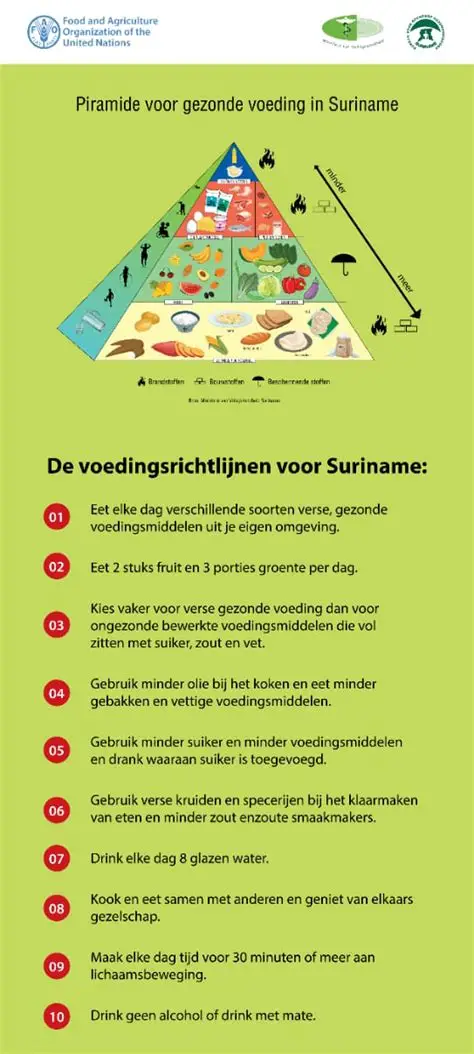
“South Africa’s Department of Health has unveiled revised national dietary guidelines that emphasize traditional foods, reduced salt and sugar intake, and hydration through clean water. The guidelines aim to combat rising obesity and chronic diseases while reconnecting communities with culturally relevant nutrition practices.”
South Africa has taken a bold step in addressing its growing nutrition crisis with the release of updated national dietary guidelines. Announced in mid-June 2026, these guidelines are designed to reshape the way South Africans eat, placing emphasis on traditional foods, moderation, and hydration. The initiative comes at a critical time, as obesity rates and non-communicable diseases such as diabetes, hypertension, and cardiovascular illnesses continue to rise across the country.
A Cultural Approach to Nutrition
One of the most striking aspects of the new guidelines is their emphasis on traditional foods. Indigenous staples such as beans, maize, and vegetables are highlighted as central to a healthy diet. Nutrition experts argue that cultural relevance is essential for dietary advice to resonate with communities. By reconnecting citizens with foods that have historically supported health and sustainability, the government hopes to foster long-term adherence to healthier eating patterns.
Reducing Salt and Sugar
The guidelines strongly recommend reducing salt and sugar intake, pointing to the dangers of processed foods that have become increasingly common in South African households. Excessive consumption of salty snacks, sugary drinks, and fast food has been directly linked to the surge in lifestyle-related illnesses. By urging citizens to avoid these products in favor of whole, nutrient-rich alternatives, the Department of Health aims to reverse troubling health trends.
Hydration Through Clean Water
Hydration is another central theme of the guidelines, with clean water promoted as the primary beverage of choice. This advice is particularly important in a country where sugary drinks are widely consumed, contributing to weight gain and poor health outcomes. Encouraging water consumption not only supports physical health but also aligns with broader public health campaigns to reduce reliance on sweetened beverages.
Implementation Across Sectors
The guidelines are not merely theoretical—they are intended to shape policy and practice across multiple sectors. Schools, hospitals, and community programs are expected to integrate the recommendations into daily routines. For example, school feeding schemes may now prioritize traditional staples over processed options, while hospitals could adjust patient meal plans to align with the new standards. Public campaigns will accompany the rollout, using media and community outreach to raise awareness and encourage adoption.
Challenges and Criticisms
Despite the optimism surrounding the guidelines, critics caution that they are insufficient without structural changes to the food system. Access to affordable, nutritious food remains a major barrier for many households, particularly in low-income communities. While the recommendations provide a framework for healthier living, they must be supported by policies that improve food security, reduce inequality, and ensure that all South Africans can afford to follow them.
Broader Public Health Implications
The release of these guidelines represents more than just a nutrition policy—it is a public health intervention aimed at reducing the burden of chronic disease. By promoting healthier eating habits, the government hopes to lower healthcare costs, improve productivity, and enhance quality of life for millions of citizens. The initiative also positions South Africa as a leader in culturally relevant public health strategies, offering a model that other nations may look to replicate.
Conclusion
South Africa’s updated national dietary guidelines mark a significant milestone in the country’s fight against obesity and chronic disease. By emphasizing traditional foods, reducing salt and sugar intake, and promoting hydration through clean water, the government is charting a path toward healthier living. The success of this initiative will depend not only on public adoption but also on structural reforms that ensure equitable access to nutritious food. If implemented effectively, these guidelines could reshape the nation’s health landscape for generations to come.



