




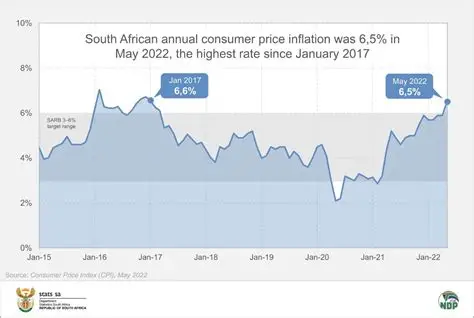
“Households in South Africa are under mounting pressure as inflation rose to 4% in June 2026, driven by a 35% surge in petrol prices since January, while the Reserve Bank raised the prime overdraft rate to 10.5%, eroding disposable incomes. At the same time, businesses face disruptive challenges from AI adoption, which promises efficiency but is displacing jobs, widening inequality, and raising compliance costs.”
South Africa’s microeconomic environment has entered a turbulent phase in mid-2026, as households and businesses grapple with the combined effects of rising inflation, global oil shocks, and disruptive advances in artificial intelligence (AI). These developments are reshaping the country’s economic trajectory at the most granular level—where consumers, workers, and firms interact daily.
Inflation and Household Pressures
- Inflation accelerated to 4% in June 2026, up from 3% earlier in the year.
- Petrol prices rose 35% since January, linked to instability in the Middle East.
- Transport and food costs surged, reducing disposable income.
- The Reserve Bank raised the prime overdraft rate to 10.5%, increasing repayment burdens for households with mortgages and loans.
This erosion of consumer spending power is a classic microeconomic concern, as it directly affects demand for goods and services across sectors. Families are cutting back on non-essential purchases, dampening retail activity and slowing growth in small businesses.
Employment and Wage Stagnation
- Youth unemployment remains above 60%, reflecting structural weaknesses in labor markets.
- Rising living costs without wage increases exacerbate inequality.
- Microeconomically, this imbalance between labor supply and demand reduces productivity and weakens aggregate demand.
Without targeted interventions, South Africa risks entrenching a cycle of poverty and underemployment.
AI Disruption and Business Costs
AI adoption is reshaping business processes:
- Firms benefit from efficiency gains but face new expenses in cybersecurity and compliance.
- Small and medium enterprises (SMEs) struggle to afford AI integration, widening the gap between large corporations and smaller players.
- While AI promises long-term productivity improvements, the short-term impact is job insecurity and rising inequality.
This dynamic raises questions about how South Africa can balance innovation with inclusivity.
Sectoral Impacts
- Retail: Declining consumer demand is hurting small shops and informal traders.
- Transport: Rising petrol costs are squeezing margins for taxi operators and logistics firms.
- Manufacturing: AI-driven automation is reducing labor demand, but boosting efficiency in large firms.
- Agriculture: Higher fuel costs increase input prices, while AI-driven precision farming remains out of reach for small-scale farmers.
Policy Responses
The Parliamentary Budget Office’s June 2026 Quarterly Economic Brief suggests:
- Targeted subsidies for fuel and food to protect vulnerable households.
- Youth employment programs to address structural unemployment.
- AI adoption support for SMEs, including tax incentives and training programs.
- Flexible inflation targeting to avoid overburdening households with high interest rates.
Conclusion
South Africa’s microeconomic outlook is darkened by inflationary pressures, global oil shocks, and disruptive AI adoption. The challenge for policymakers is to balance innovation with inclusivity, ensuring that households and small businesses are not left behind in the pursuit of efficiency.



