




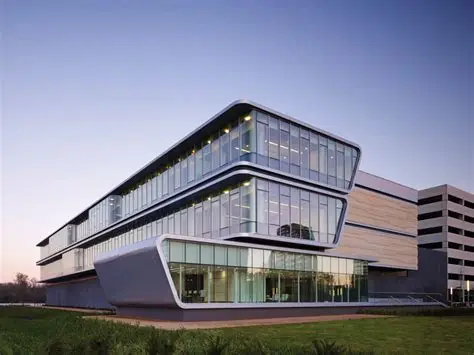
“South Africa is investing R292 million to replace its Lengau supercomputer with a cutting-edge 4-petaflop system, tripling national computing capacity. The project, led by the Department of Science and Innovation (DSI) and CSIR, will bolster research in genomics, climate modeling, AI, and astronomy, positioning South Africa as a continental leader in high-performance computing.”
South Africa has announced a landmark investment in computing infrastructure: a R292 million supercomputer project that will replace the country’s current flagship system, Lengau, at the Centre for High Performance Computing (CHPC). This initiative represents a critical step in maintaining South Africa’s competitiveness in global research and innovation.
Legacy of Lengau
Launched in 2016, Lengau (Setswana for “cheetah”) was once Africa’s most powerful supercomputer, delivering 1.3 petaflops of performance. It supported diverse applications including:
- Weather and seismic modeling
- Drug discovery and genomics
- Fluid dynamics and computational chemistry
- Astronomy projects like the Square Kilometre Array (SKA) and MeerKAT telescope
During the COVID-19 pandemic, Lengau played a vital role in genomic sequencing of SARS-CoV-2, helping scientists track variants and inform public health responses.
The New Supercomputer
The new system, expected to deliver 4 petaflops of computing power, will triple South Africa’s national computing capacity. This leap is not just about raw speed—it represents a strategic investment in the country’s ability to tackle complex scientific challenges.
Key areas of impact:
- Genomics: Accelerating personalized medicine and disease research.
- Climate Modeling: Providing more accurate predictions for Africa’s climate future.
- Artificial Intelligence: Enabling advanced machine learning models for industries from finance to agriculture.
- Astronomy: Supporting the SKA project, one of the world’s largest scientific endeavors.
Strategic Importance
South Africa’s investment comes at a time when data centres and AI infrastructure are booming across the continent. With companies like Microsoft and Amazon investing billions in local cloud services, the government’s move ensures that public research institutions remain competitive.
Regional Leadership
By deploying this system, South Africa positions itself as a continental leader in high-performance computing (HPC). While other African nations are expanding their digital infrastructure, none have yet matched South Africa’s commitment to HPC at this scale.
Challenges Ahead
Despite the excitement, challenges remain:
- Energy Supply: Data centres and supercomputers require massive amounts of electricity. South Africa’s ongoing power constraints could pose risks.
- Skills Development: Operating and maintaining such systems requires highly trained professionals.
- Sustainability: Ensuring that the system runs on renewable energy will be crucial for long-term viability.
Voices from the Sector
- Megan, Ubuntu Times South Africa: “This project is a bold step toward securing South Africa’s place in the global research community.”
- NJ Ayuk, African Energy Chamber: “Investment in infrastructure and reliable energy will be essential to realizing this potential.”
Conclusion
The deployment of South Africa’s new supercomputer marks a historic milestone in African computing. By tripling national capacity, the country is not only strengthening its research ecosystem but also signaling its ambition to lead the continent into a new era of data-driven innovation.



