




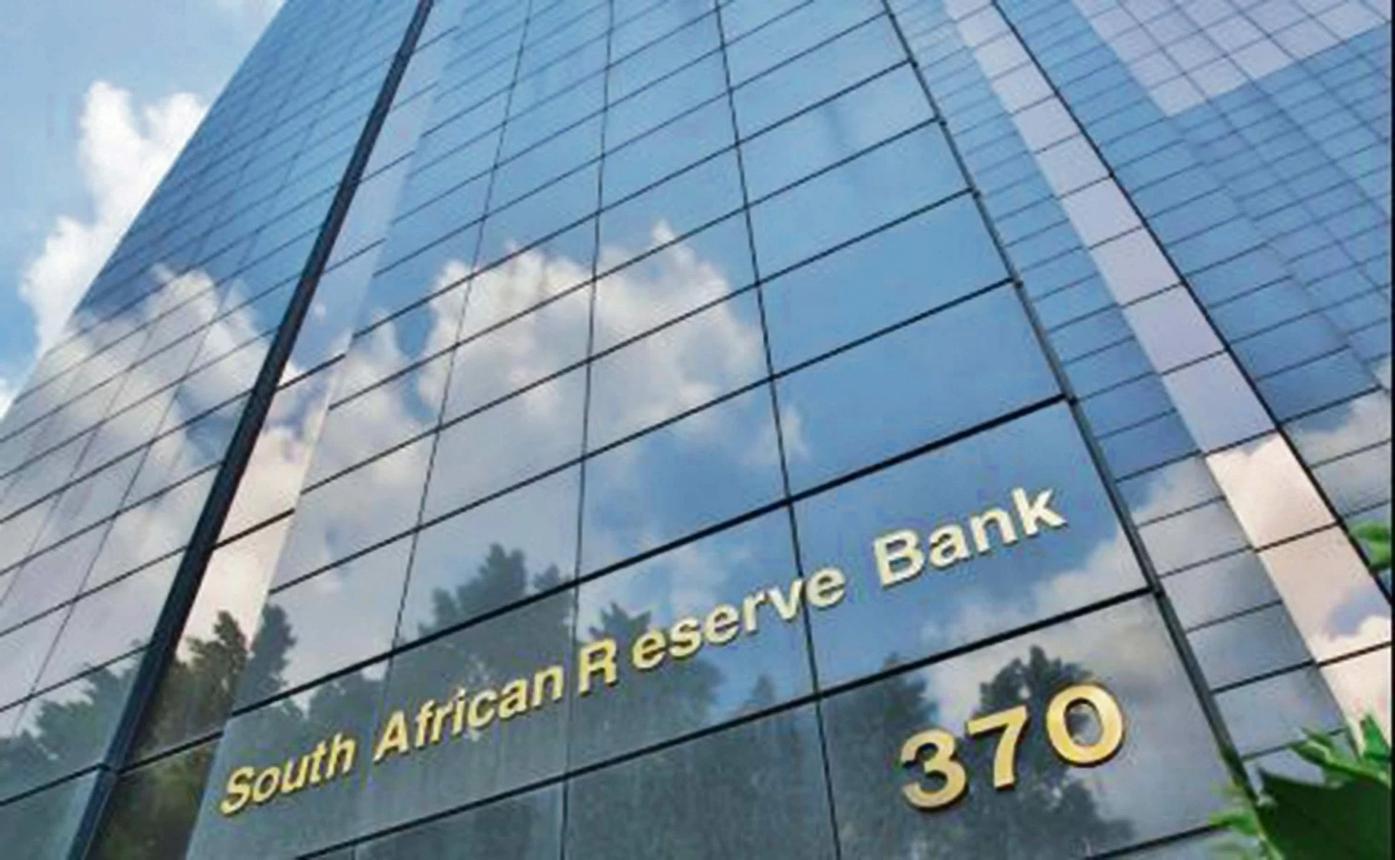
“South Africa is preparing to open its national payments infrastructure to telecommunications companies, fintech businesses and retailers from mid-2027, potentially ending the traditional dominance of commercial banks in payment processing. The South African Reserve Bank’s modernisation programme is intended to increase competition, reduce transaction costs, improve digital financial inclusion and accelerate the adoption of modern payment services.”
South Africa’s Banking Industry Faces Historic Transformation as SARB Opens Payments System to Fintechs and Retailers
South Africa is preparing for a significant transformation of its financial services industry as the South African Reserve Bank (SARB) moves towards opening the country’s national payments infrastructure to non-bank financial service providers. The planned reform, expected to take effect around the middle of 2027, could fundamentally change how consumers, businesses and financial institutions transfer money, access digital payment services and participate in the country’s banking ecosystem.
The initiative represents an important development in South Africa’s financial sector modernisation strategy, potentially ending commercial banks’ longstanding dominance of the national payments processing infrastructure. Telecommunications companies, fintech businesses and retailers are expected to receive opportunities to connect directly to payment systems, subject to licensing, regulatory requirements and technical integration.
According to Reuters reporting published on 16 October 2026, the SARB intends to introduce the changes through its Payments Ecosystem Modernisation programme, a broader initiative designed to strengthen digital financial infrastructure, encourage competition and reduce the country’s dependence on physical cash.
A major shift in South Africa’s payments infrastructure
South Africa’s banking sector has historically relied on commercial banks to facilitate access to the country’s payment clearing and settlement infrastructure. Although financial technology companies have expanded rapidly, many non-bank operators have depended on partnerships with established banking institutions to provide payment services.
The proposed reform seeks to change this arrangement.
By allowing eligible non-bank institutions to connect directly to national payment infrastructure, the central bank aims to establish a more competitive environment in which financial services companies can develop products without relying exclusively on traditional banking intermediaries.
The anticipated participants include telecommunications operators, digital payment providers, fintech companies and selected retailers.
This development could significantly expand the range of organisations participating in South Africa’s digital financial ecosystem. It may also encourage new business models involving electronic transfers, digital wallets, merchant payments and financial services for previously underserved communities.
However, direct participation will not automatically mean that every business can access the payment system. Operators will need to meet applicable licensing, security, operational and compliance requirements.
Competition could reshape the banking landscape
South Africa’s banking market is dominated by major financial institutions, including Standard Bank, FirstRand, Absa, Nedbank and Capitec.
These institutions have established extensive payment networks, digital banking platforms and relationships with millions of customers.
Nevertheless, competition from fintech companies and mobile financial services providers has increasingly challenged traditional banking business models.
Opening payment infrastructure to additional participants could intensify that competition.
Non-bank companies may develop specialised payment products, introduce alternative transaction channels and compete for merchants that currently depend on conventional bank payment services.
For established banks, the reform could create pressure to improve pricing, technology, service delivery and customer experience.
At the same time, banks could benefit from increased transaction volumes, new commercial partnerships and opportunities to provide infrastructure or specialised financial services to non-bank operators.
The eventual impact will depend on how the new regulatory framework is implemented and whether non-bank participants can compete effectively.
Consumers could benefit from lower transaction costs
One of the central objectives of the SARB’s modernisation programme is to reduce the cost of payments.
Transaction fees remain an important consideration for households, small businesses and merchants operating in South Africa.
For small enterprises, payment processing charges can influence profitability, particularly where businesses handle numerous low-value transactions.
Greater competition between payment service providers could encourage more affordable pricing structures.
Consumers may also benefit from improved access to electronic payment options, potentially reducing the need to withdraw cash or visit banking branches.
However, lower transaction costs are not guaranteed simply because additional providers enter the market.
The effectiveness of the reform will depend on competition, transparent pricing, infrastructure costs and the commercial decisions of participating institutions.
Fintech companies could gain new opportunities
South Africa has developed an increasingly sophisticated fintech industry, with companies offering digital wallets, payment applications, financial management platforms and merchant services.
The planned infrastructure changes could provide these businesses with greater flexibility to develop innovative financial products.
Direct participation in payment systems may allow qualifying fintech operators to reduce their reliance on traditional intermediaries and improve the efficiency of their services.
It could also encourage international financial technology companies to explore opportunities in South Africa.
Nevertheless, the regulatory environment will remain important.
Payment providers will need to demonstrate that they can protect customer information, manage operational risks and maintain appropriate safeguards against financial crime.
The SARB and relevant financial regulators will continue to play an important role in ensuring that innovation does not undermine financial stability or consumer protection.
Digital financial inclusion remains a central objective
South Africa continues to face challenges involving financial inclusion, particularly among communities with limited access to affordable financial services.
Although bank accounts and electronic payment facilities have become increasingly accessible, some households and businesses remain heavily dependent on cash.
The opening of national payment infrastructure could encourage the development of products designed for people who face barriers to traditional banking.
For example, telecommunications companies could potentially integrate payment capabilities into existing mobile services, while retailers could introduce more accessible payment options for customers and small merchants.
These developments may help broaden access to digital financial services.
However, meaningful financial inclusion requires more than technological availability.
Affordable connectivity, financial literacy, consumer protection and reliable infrastructure are equally important.
The success of the reform will therefore depend on whether new payment services are accessible to ordinary consumers rather than exclusively benefiting large commercial businesses.
PayShap and faster digital payments
The SARB’s broader modernisation agenda also includes strengthening fast-payment services such as PayShap.
Fast-payment infrastructure allows money to move between participating institutions more efficiently than traditional payment arrangements.
For households, this can improve the convenience of transferring money between accounts.
For businesses, faster payments may support improved cash-flow management, reduce settlement delays and simplify transactions with suppliers.
The participation of additional payment providers could potentially expand the reach of these services.
However, interoperability will remain essential.
Consumers should be able to transfer funds securely between different providers without unnecessary complexity.
The development of common technical standards, effective settlement arrangements and strong authentication mechanisms will therefore be critical.
Cybersecurity and financial stability considerations
Expanding participation in national payment infrastructure also introduces additional regulatory and operational considerations.
Digital payment systems are exposed to cybersecurity threats, fraud, identity theft and operational disruptions.
As more companies gain access to payment infrastructure, the SARB and other authorities will need to ensure that participating institutions maintain appropriate security standards.
This includes protecting customer information, monitoring suspicious transactions and maintaining reliable systems.
Regulatory oversight will also be important in ensuring that payment providers have sufficient operational resilience.
The expansion of the payments ecosystem should therefore be accompanied by robust supervision and effective consumer protection arrangements.
A wider transformation of cash infrastructure
The Payments Ecosystem Modernisation programme extends beyond digital payment participation.
The SARB has also considered changes to South Africa’s cash infrastructure, including the development of a national cash utility and shared ATM arrangements.
These proposals are intended to reduce the costs associated with cash handling while preserving access to physical money.
This remains particularly important for rural communities and consumers who cannot easily access digital payment facilities.
A modern financial system must therefore accommodate both digital innovation and the continued practical importance of cash.
The transition will require careful coordination between financial institutions, regulators, merchants and technology providers.
Implementation remains the next major milestone
The proposed opening of the payments system is expected around mid-2027, following regulatory preparation, licensing and technical integration.
The SARB has indicated that rules governing payment activities and exemptions would be developed as part of the reform process.
The anticipated participation of non-bank operators around March 2027 for testing and integration would provide an important preparatory stage before broader implementation.
These milestones will determine how quickly new participants can begin offering services and what conditions will govern their operations.
Businesses interested in entering the payments market will need to monitor regulatory announcements and prepare for applicable compliance requirements.
Established banks will also need to evaluate the competitive implications of the new framework.
Outlook for South Africa’s banking industry
South Africa’s proposed payments reform represents an important step towards a more open and competitive financial services industry.
By expanding access to national payment infrastructure, the SARB aims to encourage innovation, reduce transaction costs and improve financial inclusion.
The changes could create new opportunities for fintech businesses, telecommunications companies, retailers and consumers.
At the same time, the country’s established banks will face growing pressure to strengthen their digital capabilities and remain competitive.
The longer-term outcome will depend on effective regulation, technological reliability and the ability of new participants to deliver affordable services.
If successfully implemented, the reform could reshape South Africa’s payment ecosystem and establish a more accessible foundation for future financial innovation.