




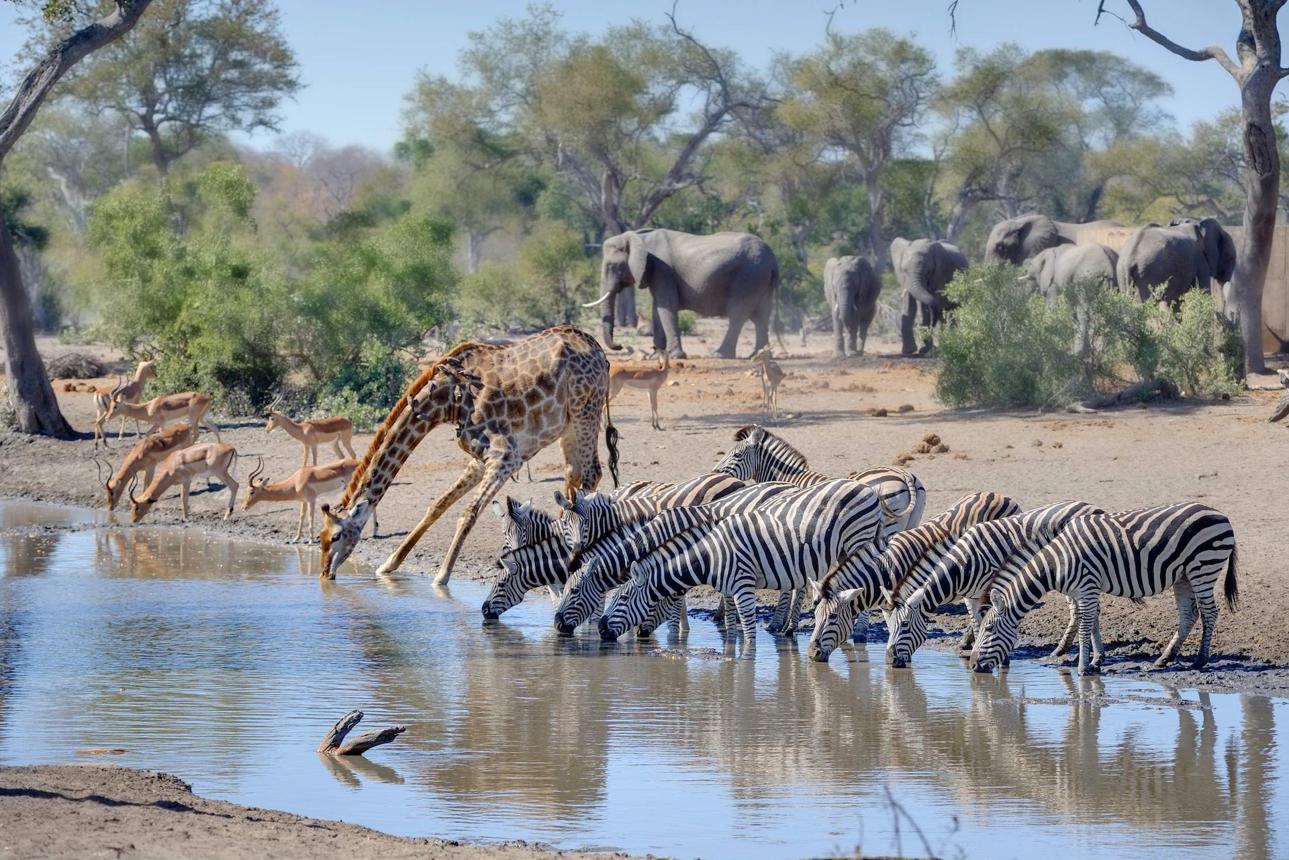
“South African National Parks (SANParks) has introduced its 2026/27 conservation fee increases from 1 November 2026, raising the daily entrance fee for South African adults visiting Kruger National Park from R134 to R140, while other popular destinations, including Addo Elephant National Park and Cape Point, have also become slightly more expensive. The changes increase the importance of advance holiday budgeting, comparing destinations and considering options such as the Wild Card, particularly for families and frequent visitors seeking affordable domestic travel.”
South Africa’s National Park Entrance Fees Increase From 1 November 2026: What Budget Travellers Need to Know
South Africans planning affordable holidays, family outings and wildlife adventures must now account for higher entrance fees at national parks following the introduction of the 2026/27 conservation tariff schedule on Sunday, 1 November 2026. The changes affect several popular destinations, including Kruger National Park, Addo Elephant National Park, Cape Point and Boulders Beach. Although increases for local visitors are relatively modest, the additional expenses could influence how households plan their domestic holidays during the approaching festive season.
The changes come at a time when many South Africans are looking for ways to enjoy memorable holidays without placing excessive pressure on household finances. National parks remain important destinations for families, nature enthusiasts, road-trippers and international visitors. However, entrance charges are only one component of a holiday budget, and travellers must also consider accommodation, fuel, food, transport and activities.
According to the latest published information, the new conservation fees apply from 1 November 2026 until 31 October 2027. For South African adults visiting Kruger National Park, the daily entrance fee has increased from R134 to R140. Children aged between two and 11 now pay R70, compared with the previous R67.
Kruger National Park becomes more expensive for local visitors
Kruger National Park remains one of South Africa’s most recognisable wildlife destinations. Its extensive landscapes, diverse animal populations and established safari infrastructure attract domestic and international tourists throughout the year.
However, the latest tariff adjustment means visitors must revise their travel calculations before arranging their next visit.
For an individual South African adult, the additional entrance expense is R6 per day. Although this might appear relatively small, the increase becomes more noticeable when several family members visit the park or when travellers stay for multiple days.
For example, a family consisting of two adults and two children aged between two and 11 will now pay R420 in daily conservation fees. Previously, the same family paid R402. Therefore, the increase amounts to R18 per day, excluding accommodation, food, fuel and additional activities.
For a three-day visit, the family’s conservation fees would total R1,260. This demonstrates why travellers should calculate the entire holiday expense instead of concentrating exclusively on advertised accommodation prices.
The adjustment does not necessarily make Kruger unaffordable. Nevertheless, households operating with limited disposable income may need to reconsider their travel duration, accommodation arrangements and spending on optional experiences.
Other popular national parks also introduce higher entrance charges
Kruger is not the only destination affected by the new conservation fees. Several other national parks and protected attractions have also adjusted their entrance tariffs.
Addo Elephant National Park, which is particularly popular among visitors interested in elephant viewing and wildlife experiences, now charges South African adults R115 per day, increasing from R110.
Similarly, the Cape of Good Hope section of Table Mountain National Park has increased its local adult entrance charge from R110 to R115.
Visitors interested in seeing African penguins at Boulders Beach will now pay R57 per South African adult, compared with the previous R55.
Other locations, including Agulhas National Park and several areas within Table Mountain National Park, have also experienced adjustments.
These changes demonstrate that travellers exploring multiple destinations should consider the cumulative cost of entrance fees when preparing an itinerary. A holiday involving several parks can become more expensive than initially anticipated, especially when travelling as a family.
How the changes affect family holiday budgets
Families are among the travellers who need to pay particular attention to the revised entrance fees.
A family holiday usually involves several expenses, including transport, accommodation, groceries, restaurant meals, entertainment and entrance charges. Consequently, even relatively small increases can influence the overall spending limit.
Parents planning a national park visit should establish how many adults and children will travel, how long they intend to remain at the destination and which additional activities they want to experience.
For example, a family visiting Kruger for several days could reduce expenditure by choosing affordable accommodation, preparing some meals independently and limiting unnecessary driving.
Families should also investigate the availability of suitable accommodation inside or outside the park. Comparing different options can help identify arrangements that provide convenience without exceeding the household’s spending capacity.
Furthermore, travellers should avoid assuming that the cheapest accommodation option will automatically produce the lowest overall holiday cost. A property located far from the intended entrance gate could create additional fuel expenses and travel time.
The most effective approach is to compare the complete cost of different arrangements before confirming reservations.
International visitors face considerably higher increases
Although South African visitors generally face relatively small adjustments, international tourists experience substantially larger increases at several parks.
At Kruger National Park, the standard international adult conservation fee has increased from R602 to R692 per day. This represents an additional R90 for each adult visitor.
At the Cape of Good Hope section, the international adult rate has increased to R592, while Addo Elephant National Park now charges R565.
These differences make it important for visitors to establish which tariff category applies to them before travelling.
South African citizens and qualifying residents, Southern African Development Community nationals and other international visitors may fall into different pricing categories. Certain transfrontier arrangements also provide specific exceptions.
Visitors should therefore consult SANParks’ official tariff information and carry the required identification documents to establish their eligibility for the applicable rates.
Wild Card membership offers an opportunity to save
One of the most important considerations for budget-conscious travellers is the SANParks Wild Card programme.
The programme provides qualifying members with access to participating conservation areas without paying the applicable daily conservation fees, subject to membership conditions and the parks covered.
For travellers who regularly visit national parks, membership could provide better long-term value than paying individual entrance charges for every visit.
However, prospective members should compare the latest membership prices against their expected travel frequency before purchasing.
For example, someone planning several visits to Kruger or multiple national parks during the year may benefit more than someone who only intends to make one short visit.
Families should also investigate the available membership categories and confirm which people are covered.
Importantly, membership does not automatically eliminate every holiday expense. Travellers must still budget for accommodation, food, transport and separately charged activities where applicable.
SANParks should be consulted directly for current Wild Card prices, membership conditions and participating destinations.
Affordable alternatives for travellers exploring South Africa
The new entrance fees also provide an opportunity for travellers to consider destinations beyond the country’s most famous national parks.
South Africa offers a wide variety of landscapes, coastal attractions, cultural experiences and outdoor activities that can suit different spending limits.
Travellers can investigate local nature reserves, municipal parks, hiking routes, beaches and community tourism experiences. Depending on the destination, these activities may offer lower-cost alternatives to extended national park visits.
Day trips can also help households manage expenditure because they avoid overnight accommodation costs.
For example, residents can explore attractions within their own provinces instead of undertaking expensive journeys across the country. Travelling shorter distances can reduce fuel expenditure, toll charges and the need for additional accommodation.
Another option is to organise weekend holidays outside the busiest travel periods. Where accommodation and transport providers offer lower prices during quieter periods, flexible travellers may find better value.
South African Tourism has also encouraged domestic visitors to plan ahead, investigate lesser-known attractions and establish realistic holiday budgets. Its domestic tourism initiatives demonstrate that enjoyable local experiences do not always require expensive travel arrangements.
Transport and accommodation remain major holiday expenses
Entrance fees are only one part of the financial challenge facing domestic tourists.
Transport can represent a substantial portion of the cost of visiting national parks, particularly when destinations are located far from major residential centres.
Travellers driving to Kruger, Addo or other conservation areas should calculate fuel consumption, toll charges, parking requirements and possible vehicle maintenance expenses.
Families can consider sharing transport costs with relatives or friends travelling to the same destination. Nevertheless, they should ensure that the vehicle is suitable for the journey and that safety remains a priority.
Accommodation also requires careful consideration.
Self-catering establishments can provide opportunities to reduce food expenses because visitors can prepare some meals themselves. Camping may offer another option for travellers who already have suitable equipment and prefer outdoor experiences.
However, visitors should compare the actual total price, including applicable service charges and booking conditions, before deciding.
Advance reservations can also help travellers secure suitable accommodation and reduce the risk of having to accept expensive alternatives during busy holiday periods.
Why conservation fees matter for tourism and environmental protection
National park entrance charges are closely connected to conservation tourism and the management of protected natural environments.
South Africa’s national parks protect important ecosystems, wildlife populations and natural landscapes. They also provide opportunities for education, recreation and tourism.
Visitors contribute to the tourism economy through entrance fees, accommodation bookings, guided experiences, restaurants and other purchases.
Tourism spending can also benefit businesses and communities operating around protected areas.
Consequently, conservation fees should be considered alongside the value of maintaining these destinations for future generations.
For budget-conscious households, the challenge is finding a balance between affordable access and the financial requirements associated with managing protected environments.
Transparent information about tariffs, visitor services and conservation priorities can help travellers understand the costs involved in visiting national parks.
What travellers should do before visiting a national park
With the new tariff schedule now in effect, travellers should take several practical steps before beginning their next trip.
First, check the official SANParks conservation fee schedule and establish the correct rate for every person travelling.
Second, prepare a complete holiday budget covering entrance fees, transport, accommodation, food and activities.
Third, compare alternative destinations and accommodation arrangements to identify the most affordable combination.
Fourth, investigate Wild Card membership if several park visits are planned during the membership period.
Finally, confirm opening arrangements, accommodation availability, park regulations and payment requirements directly with the relevant destination.
Travellers should also retain some money for unexpected expenses rather than allocating their entire budget to planned purchases.
Outlook: Affordable domestic tourism requires smarter planning
The introduction of South Africa’s 2026/27 national park conservation fees highlights the importance of financial preparation for domestic tourism.
Although local increases are relatively modest, families and frequent visitors should consider how the additional expenses affect their overall holiday budgets.
Kruger, Addo, Cape Point and other protected destinations remain valuable tourism attractions. However, enjoying these experiences affordably requires more than simply choosing a destination with attractive scenery.
Travellers must compare costs, investigate available discounts, select suitable accommodation and consider alternatives that match their financial circumstances.
As the festive season approaches, these decisions will become increasingly important for households hoping to enjoy holidays without compromising essential financial commitments.
Ultimately, South Africa’s national parks remain important destinations for wildlife experiences, recreation and conservation tourism. With realistic budgeting and informed choices, visitors can continue exploring the country’s natural attractions while managing their spending responsibly.



