




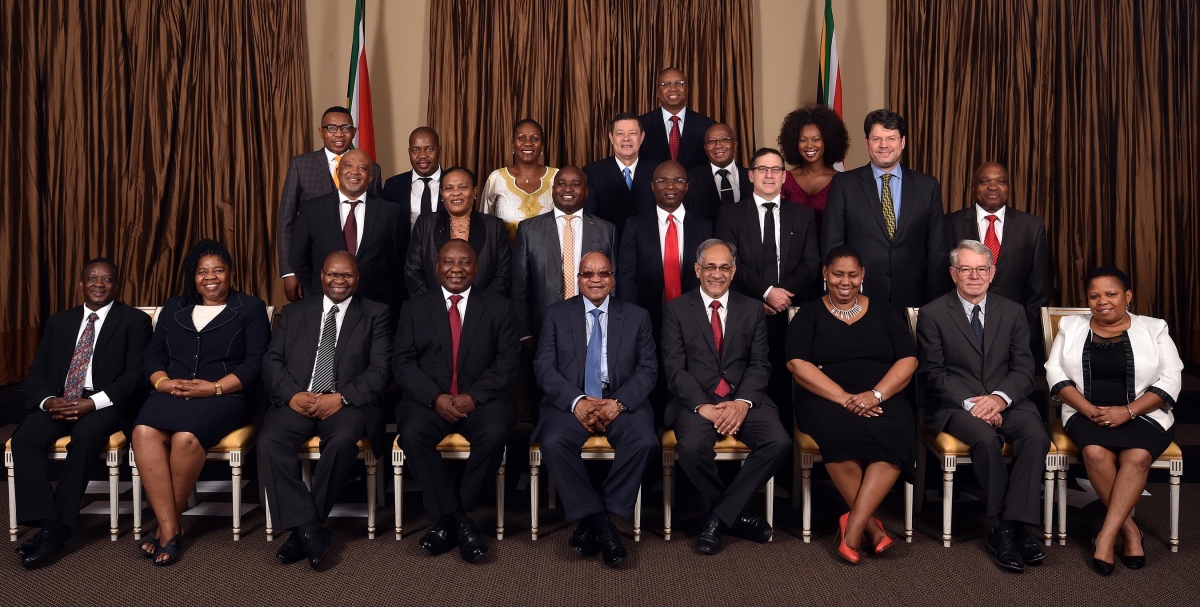
“South Africa’s Cabinet has unveiled landmark legislative reforms covering coalition governance, procurement modernization, criminal justice oversight, and illicit mining crackdowns. These measures aim to restore institutional trust, stabilize fragile coalitions, and modernize governance structures nationwide.”
South Africa has entered a decisive phase in its governance journey. In late August 2026, the Cabinet unveiled sweeping legislative reforms that collectively represent one of the most ambitious governance packages in recent years. These reforms span coalition governance, criminal justice oversight, illicit mining crackdowns, procurement modernization, and public service accountability. Together, they aim to restore trust in institutions, stabilize fragile coalitions, and modernize governance structures across the country.
Coalition Governance Reform
At the heart of the reforms lies the Municipal Structures Amendment Bill (29 July 2026). For years, fragile coalitions have collapsed, stalling projects and weakening accountability. The bill introduces:
- Mandatory qualifications for councillors appointed as municipal office bearers.
- Prescribed timelines for electing mayors, deputy mayors, and executive committees.
- Clear procedures for removing municipal office bearers.
- Voting mechanisms allowing either a show of hands or secret ballot.
These measures are designed to reduce political instability and ensure uninterrupted service delivery to communities.
Criminal Justice Oversight
The reforms also extend the Madlanga Inquiry into corruption and political interference in the criminal justice system until 31 October 2026. This inquiry is central to restoring public trust in law enforcement and judicial institutions. By extending the deadline, government aims to ensure a thorough investigation into systemic failures that have undermined accountability.
Tackling Illicit Mining
Illicit mining has long plagued South Africa, contributing to economic losses and community instability. The new amendment bills introduce tougher penalties for illegal mining operations. Additionally, tighter oversight of trusts is proposed to curb financial abuse and money laundering. These reforms are expected to close loopholes that have allowed criminal enterprises to exploit weaknesses in the system.
Procurement Modernization
Public procurement has historically been vulnerable to corruption. The Public Procurement Amendment Bill, tabled by DA MP George Michalakis, seeks to modernize procurement processes and enhance transparency. Key provisions include:
- Establishing clearer rules for tender processes.
- Introducing digital procurement systems to reduce human interference.
- Strengthening accountability mechanisms to prevent abuse of public funds.
This modernization effort is expected to significantly reduce corruption risks and improve efficiency in government spending.
Public Service Accountability
Beyond structural reforms, the Cabinet emphasized the importance of public service accountability. Measures include stricter performance evaluations for senior officials and enhanced oversight of government departments. The reforms aim to ensure that public servants deliver on their mandates without political interference.
Political Implications
The reforms come at a time when South Africa’s political landscape is marked by fragile coalitions and declining public trust. By stabilizing coalition governance and strengthening oversight mechanisms, the government hopes to create a more predictable and accountable political environment. Analysts suggest that these reforms could reshape the balance of power in municipalities, reduce corruption, and enhance service delivery.
Economic and Social Impact
The crackdown on illicit mining is expected to have significant economic benefits. Illegal mining has cost South Africa billions in lost revenue, while also fueling violence and instability in mining communities. By introducing tougher penalties and oversight, the government aims to protect legitimate mining operations and secure revenue streams.
Procurement modernization, meanwhile, could save the government billions by reducing corruption and inefficiency. Transparent procurement processes will also encourage greater participation from small and medium enterprises, boosting economic inclusivity.
Conclusion
South Africa’s sweeping governance reforms represent a bold attempt to address systemic weaknesses in coalition politics, criminal justice, procurement, and illicit mining. While challenges remain in implementation, the reforms mark a turning point in the country’s governance trajectory. If successfully executed, they could restore public trust, stabilize coalitions, and modernize governance structures for the future.



