




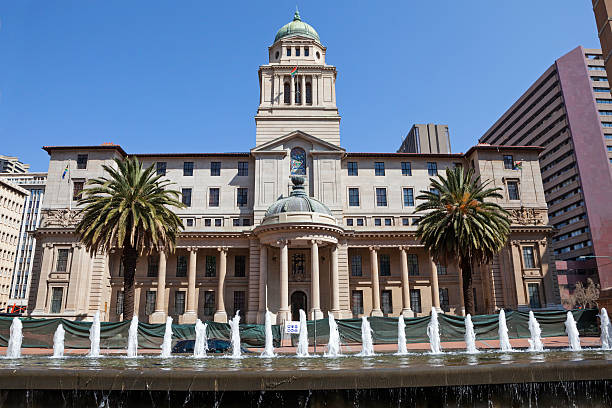
“South Africa’s Cabinet has introduced landmark reforms covering coalition governance, procurement modernization, criminal justice oversight, and illicit mining crackdowns. These measures aim to restore institutional trust, stabilize fragile coalitions, and modernize governance structures nationwide.”
On September 8, 2026, South Africa entered a decisive phase in its governance journey as the Cabinet unveiled sweeping legislative reforms. These reforms, spanning coalition governance, procurement modernization, criminal justice oversight, illicit mining crackdowns, and public service accountability, represent one of the most ambitious governance packages in recent years. The overarching goal is clear: restore trust in institutions, stabilize fragile coalitions, and modernize governance structures across the country.
Coalition Governance Reform
At the heart of the reforms lies the Municipal Structures Amendment Bill, passed in late July 2026. For years, fragile coalitions have collapsed, stalling projects and weakening accountability. Municipalities such as Johannesburg, Tshwane, and Nelson Mandela Bay have been plagued by coalition breakdowns that disrupted service delivery.
The new legislation introduces stricter rules for coalition agreements, requiring parties to formalize their commitments and adhere to binding frameworks. The Electoral Commission of South Africa (IEC) is now empowered to oversee coalition agreements, ensuring transparency and accountability. Analysts argue this could mark a turning point in South Africa’s local governance, where coalition politics have become the norm since the decline of single-party dominance.
Procurement Modernization
Another pillar of the reforms is procurement modernization. South Africa’s procurement system has long been criticized for inefficiency and corruption. The Cabinet’s new framework introduces digital procurement platforms, stricter auditing mechanisms, and enhanced oversight by the National Treasury.
Digitizing procurement aims to reduce opportunities for corruption, streamline processes, and improve transparency. This is particularly significant given the history of tender scandals, such as the North West transport tender probe recently ordered by President Cyril Ramaphosa.
Criminal Justice Oversight
The reforms also strengthen criminal justice oversight. The Cabinet has proposed measures to enhance the independence of the National Prosecuting Authority (NPA) and expand the powers of the Special Investigating Unit (SIU). These changes are designed to ensure that corruption cases are prosecuted more effectively and that investigative bodies have the authority to pursue high-level cases without political interference.
Illicit Mining Crackdowns
Illicit mining has become a major challenge in South Africa, particularly in provinces like Gauteng and Mpumalanga. The reforms introduce tougher penalties for illegal mining operations and empower law enforcement agencies to dismantle criminal syndicates involved in the trade.
By targeting illicit mining, the government aims to protect communities affected by unsafe mining practices, safeguard the environment, and secure revenue streams that are currently lost to illegal operators.
Public Service Accountability
The reforms also emphasize accountability within the public service. New measures will require stricter performance evaluations for senior officials, with consequences for poor delivery. This is intended to rebuild public trust in government institutions, which has been eroded by years of inefficiency and corruption scandals.
Political and Economic Implications
The reforms are expected to reshape South Africa’s political landscape. By stabilizing coalitions, municipalities can focus on service delivery rather than political infighting. Procurement modernization could reduce corruption scandals, while stronger criminal justice oversight may deter future abuses of power.
Economically, cracking down on illicit mining could boost legitimate mining revenues and improve investor confidence. The reforms also signal to international partners that South Africa is serious about governance modernization.
Reactions from Stakeholders
Political analysts have welcomed the reforms as a bold step toward stabilizing governance. Civil society organizations have praised the emphasis on accountability and transparency, though some remain cautious about implementation. Opposition parties have expressed skepticism, arguing that reforms must be accompanied by genuine political will to succeed.
Conclusion
South Africa’s sweeping governance reforms mark a turning point in the country’s legislative landscape. By addressing coalition instability, procurement inefficiency, criminal justice oversight, and illicit mining, the government aims to restore institutional trust and modernize governance structures. The success of these reforms will depend on effective implementation, political commitment, and sustained oversight.



