




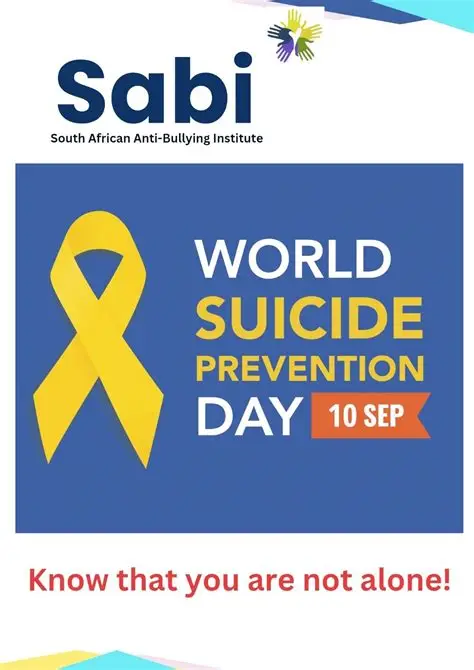
“South Africa is grappling with a suicide epidemic, with 23 deaths and 460 attempts every day, highlighting the urgent need for reform. Advocates stress that breaking the silence, dismantling stigma, and expanding access to care are critical steps toward prevention.”
South Africa’s mental health crisis has reached a tipping point, with suicide emerging as one of the most pressing public health challenges. As the nation marked World Suicide Prevention Day on September 10, 2026, the call to “start the conversation” about suicide has become louder than ever. The statistics are stark: 23 people die by suicide daily, and 460 attempts occur every day, underscoring the depth of distress across communities.
The Scale of the Crisis
- Daily toll: 23 deaths, 460 attempts.
- Helpline demand: SADAG receives 2,500–3,000 calls daily, with one in four linked to suicide.
- Global context: 720,000 people die by suicide annually worldwide.
This crisis is not isolated; it reflects both local socio-economic struggles and global mental health challenges.
Root Causes
Several systemic and socio-economic factors fuel South Africa’s suicide burden:
- Poverty and unemployment intensify hopelessness.
- Limited access to professionals: Only 450 psychologists and 217 psychiatrists serve the public sector.
- Stigma and silence prevent families and communities from addressing warning signs.
Government and Institutional Response
The Department of Women, Youth, and Persons with Disabilities has called for greater investment in psychosocial services. The WHO campaign theme “Changing the Narrative on Suicide” (2024–2026) urges countries to challenge myths, reduce stigma, and foster compassionate dialogue.
Voices from the Ground
- Cassey Chambers (SADAG Operations Director): “People are crying out for help, and the calls we receive every day show us just how many are struggling.”
- Dr Frans Korb (Psychiatrist): Over 75% of people who die by suicide tell someone first, underscoring the importance of recognizing warning signs.
- Tinyiko Chauke (LifeLine Social Worker): Reports alarming suicidal ideation among children as young as 14.
Warning Signs to Watch For
- Withdrawal from family and friends
- Changes in eating/sleeping habits
- Neglect of personal hygiene
- Substance abuse
- Obsession with death
Recognizing these signs early can save lives.
The Call to Action
Mental health advocates insist that prevention cannot begin only at crisis point. Families, schools, workplaces, and communities must:
- Encourage open dialogue about suicide.
- Recognize warning signs early.
- Provide accessible support systems.
Conclusion
South Africa’s suicide crisis is a national emergency demanding urgent reform. Breaking the silence, dismantling stigma, and expanding access to care are not optional—they are essential steps to saving lives. The call to “start the conversation” is more than a slogan; it is a lifeline for thousands who struggle daily.



