




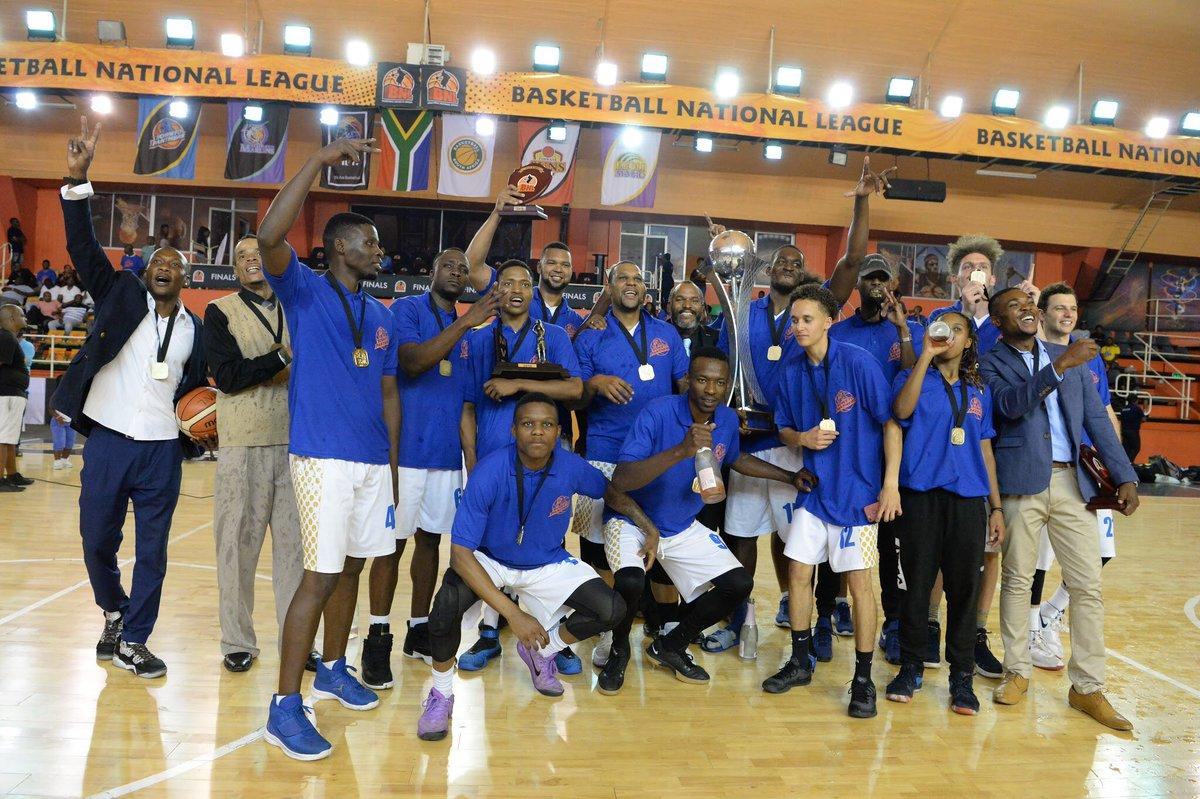
“A dispute between Basketball South Africa (BSA) and the Basketball National League (BNL) over whether Soweto Panthers or Johannesburg Giants should represent South Africa in the Road to BAL 2027 has exposed unresolved governance and competition-authority questions. The controversy highlights the need for transparent administration, credible national structures and clear qualification procedures to protect players, clubs and the future of basketball in South Africa.”
South African Basketball Faces Governance Test as Soweto Panthers and Johannesburg Giants Dispute BAL 2027 Representation
South African basketball is facing another significant governance challenge following a dispute over which club should represent the country in the Road to Basketball Africa League (BAL) 2027 qualification competition. The disagreement between Basketball South Africa (BSA) and the Basketball National League (BNL) has placed the Soweto Panthers and Johannesburg Giants at the centre of a controversy that extends beyond competition results, raising questions about institutional authority, transparency and the future development of basketball in the country.
The dispute became public in October 2026 after the BNL announced that Soweto Panthers had been selected as South Africa’s representatives for the continental qualification campaign. The announcement followed the Panthers’ success in the 2026 Basketball National League championship.
However, Basketball South Africa rejected the decision, arguing that the Johannesburg Giants were the legitimate national champions and the club officially confirmed by the federation for international representation. BSA described the appointment of the Panthers as irregular and procedurally flawed, insisting that the selection process should comply with recognised federation regulations and competition procedures.
Competing Claims Over South Africa’s BAL Representative
The controversy revolves around two competing claims concerning national championship status and international qualification.
The Basketball National League maintains that Soweto Panthers earned their opportunity through their championship performance. The league subsequently announced that FIBA Africa had confirmed the club’s registration as South Africa’s representative for the Road to BAL 2027 qualification cycle.
According to the BNL, the Panthers’ championship achievement represented an important milestone for the club and South African basketball.
Basketball South Africa, however, maintains that the Johannesburg Giants were crowned national champions through its official national club championships. The federation says it had already submitted the Giants’ confirmation to the FIBA Africa Competitions office without objection or reservation.
This disagreement has created uncertainty over the relationship between domestic competition results, federation recognition and international qualification procedures.
At the centre of the debate is a fundamental sporting question: which institution has the authority to determine the club that represents South Africa in continental competition?
Resolving that question requires more than competing public statements. It requires clarity regarding the applicable regulations, competition structures, qualification requirements and the authority responsible for confirming participating clubs.
A Wider Governance Crisis
The disagreement has emerged against a background of longstanding governance concerns within South African basketball.
In January 2026, the Department of Sport, Arts and Culture announced a process intended to rebuild and stabilise basketball administration following the derecognition of Basketball South Africa because of prolonged governance and administrative failures.
The initiative involves the department, FIBA Africa and the South African Sports Confederation and Olympic Committee.
Its objectives include establishing a properly governed national federation, restoring institutional confidence, protecting athletes and creating a sustainable foundation for basketball development.
The government also outlined plans to develop a roadmap for the sport’s revival and establish credible, representative executive leadership.
FIBA Africa appointed a board representative to provide oversight and technical guidance during the recovery process.
These interventions demonstrate that the current dispute is not an isolated disagreement between two organisations. Rather, it reflects a wider challenge involving the structures responsible for managing basketball competitions, developing players and representing South Africa internationally.
The Breakdown Between BSA and BNL
The relationship between Basketball South Africa and the Basketball National League has also become a significant part of the controversy.
Documents reported by Eyewitness News indicate that BSA formally notified the BNL in June 2024 that it would not renew their licensing agreement.
The agreement had originally been signed in October 2013, while BSA stated that the contractual relationship ended in September 2023.
In its correspondence, the federation indicated that attempts to reach organisational consensus had not produced satisfactory results.
BSA subsequently stated that programmes and leagues organised by the BNL were not endorsed by the federation and requested that the league stop using BSA and FIBA logos in its activities.
The contractual breakdown has complicated the sporting environment because the BNL has continued organising competitions while BSA disputes the legitimacy of its relationship with the federation.
Consequently, questions concerning league recognition and national representation have become intertwined.
The situation illustrates the importance of clearly defined relationships between national federations, professional leagues, clubs and continental governing bodies.
Without agreed procedures, even successful competitions can become vulnerable to disputes over recognition and eligibility.
Why the BAL Opportunity Matters
The Basketball Africa League represents one of the most important professional basketball platforms on the continent.
Participation in its qualification pathway can provide clubs with opportunities to compete against stronger regional opposition, expose players to international audiences and increase the visibility of South African basketball.
For clubs, international competition can create commercial opportunities involving sponsorships, broadcasting, merchandise and partnerships.
It can also help attract supporters and strengthen local basketball communities.
For players, continental participation offers valuable experience against different playing styles, tactical systems and levels of competition.
However, these opportunities depend on stable administration and credible qualification arrangements.
A dispute over representation risks distracting teams from preparations and creating uncertainty among supporters, sponsors and players.
It may also weaken confidence in the structures responsible for developing basketball in South Africa.
Protecting Players and Supporters
Although administrators and governing bodies dominate the public discussion, athletes remain among the most important stakeholders in the dispute.
Players invest considerable time and effort in training, competing and pursuing professional opportunities.
When institutional disagreements affect international participation, athletes may face uncertainty concerning their competitive schedules and career prospects.
Coaches and support staff can also be affected through changes in preparation plans, travel arrangements and tournament participation.
Supporters, meanwhile, want to see their clubs compete successfully and represent the country with pride.
For these reasons, resolving the dispute transparently should remain a priority.
Clear communication can help prevent confusion and ensure that players understand the status of competitions and qualification decisions.
Transparency and Accountability Are Essential
The dispute highlights several issues that South African basketball administrators must address.
First, qualification criteria should be clearly documented and communicated before competitions begin.
Second, the institutions responsible for confirming national representatives should operate through transparent procedures that stakeholders understand.
Third, disagreements should be handled through established appeals mechanisms rather than prolonged public confrontation.
Fourth, governance reforms should include meaningful consultation with clubs, players, coaches and other basketball stakeholders.
These measures would help strengthen confidence in competition structures and reduce the likelihood of similar disputes in future seasons.
The government-supported recovery process also provides an opportunity to establish stronger accountability mechanisms and improve the relationship between basketball institutions.
Building a Sustainable Basketball Future
South Africa possesses considerable potential to develop basketball as a competitive sport and a platform for youth participation.
The game is accessible in many communities and can be introduced with relatively limited infrastructure compared with some other sports.
Community courts, schools, youth programmes and local competitions can provide important entry points for aspiring players.
At the same time, professional leagues and international competitions offer opportunities for talented athletes to advance towards elite performance.
A sustainable basketball system requires these pathways to operate together.
Community participation must connect with organised competitions, development programmes and professional opportunities.
Strong administration is equally important because it provides the foundation for funding, partnerships, coaching development and athlete protection.
South Africa’s basketball recovery therefore needs to extend beyond leadership changes. It should also strengthen the structures that make the sport accessible, competitive and financially sustainable.
The Road Ahead
The immediate question remains whether FIBA Africa will maintain its endorsement of Soweto Panthers or reconsider the competing claims raised by Basketball South Africa.
BSA has indicated that it intends to pursue formal objections and appeals through the relevant FIBA structures.
The outcome could have important implications for the relationship between the national federation, domestic league organisers and participating clubs.
However, the broader significance of the dispute extends beyond the identity of South Africa’s representative.
It presents an opportunity for basketball stakeholders to clarify institutional responsibilities, improve governance and establish a more reliable framework for international participation.
South African basketball needs competitions that reward performance, administrators who operate transparently and structures that protect the interests of athletes.
The Soweto Panthers–Johannesburg Giants controversy has demonstrated how unresolved institutional disagreements can affect the credibility of an entire sporting system.
Ultimately, the future of basketball in South Africa will depend on whether its stakeholders can move beyond competing claims and establish a shared commitment to accountability, development and sporting excellence.
A transparent resolution would not only benefit the clubs involved but also strengthen the confidence of players, supporters, sponsors and communities in the country’s basketball future.



