




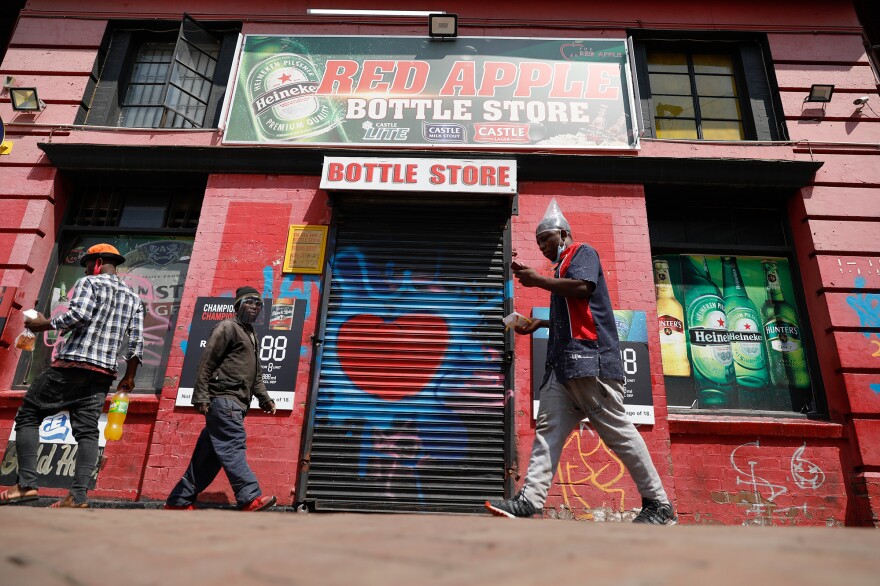
“Workers stayed home, shops closed, and buses sat idle across South Africa as anti-migrant protests escalated, sparking fears of violence and economic disruption. The unrest has already strained investor confidence, tarnished South Africa’s reputation as a human rights defender, and disrupted local commerce.”
South Africa’s financial landscape is facing a turbulent moment as widespread anti-migrant protests sweep across major urban centers. On June 30, 2026, Johannesburg, Durban, and Cape Town witnessed shuttered businesses, halted public transport, and visible military presence. While the protests are framed as political activism against undocumented migration, the economic consequences are immediate and severe.
Economic Disruption
- Retail closures: Shops, particularly foreign-owned spaza stores, remained closed due to fear of looting. This directly impacts daily turnover and tax revenue.
- Transport paralysis: Buses and taxis sat idle, preventing workers from commuting, reducing productivity across sectors.
- Evictions: Landlords evicted foreign tenants to avoid property damage, destabilizing rental markets and reducing housing demand.
Investor Confidence
Foreign investors are increasingly wary of South Africa’s political volatility. The protests highlight governance challenges, undermining confidence in the rule of law. President Cyril Ramaphosa’s statement acknowledged citizens’ concerns but warned against intimidation and violence, attempting to reassure markets.
Banking & Financial Sector Response
Banks and insurers are monitoring exposure to retail and property sectors. Standard Bank, recently authorized as Africa’s first renminbi clearing bank, faces reputational risks as unrest undermines South Africa’s image as a stable financial hub.
Broader Macroeconomic Implications
- GDP impact: Disruptions in retail and transport reduce short-term output.
- Employment: Informal sector workers, especially migrants, face income loss.
- Currency volatility: The rand (ZAR) traded at 16.46/USD early on June 30, reflecting investor caution.
Political-Economic Linkages
The protests are spearheaded by groups like Operation Dudula, demanding stricter border controls. Their actions, however, blur the line between activism and vigilantism, creating uncertainty for businesses reliant on migrant labor.
International Relations & Trade
South Africa’s reputation as a human rights defender is at stake. Neighboring countries, including Nigeria and Ghana, have previously summoned South African envoys after xenophobic attacks. This could strain trade relations and reduce regional investment flows.
Risk Assessment
- Short-term risks: Retail losses, transport paralysis, and property damage.
- Medium-term risks: Investor flight, reduced FDI, and reputational damage.
- Long-term risks: Structural unemployment, weakened trade relations, and slower GDP growth.
Conclusion
The anti-migrant protests of June 30, 2026, are more than a political crisis—they represent a financial shock to South Africa’s economy. With businesses shuttered, transport halted, and investor confidence shaken, the country faces a critical test of governance and economic resilience. The government’s ability to restore order while protecting rights will determine whether South Africa can maintain its position as a leading African financial hub.



