




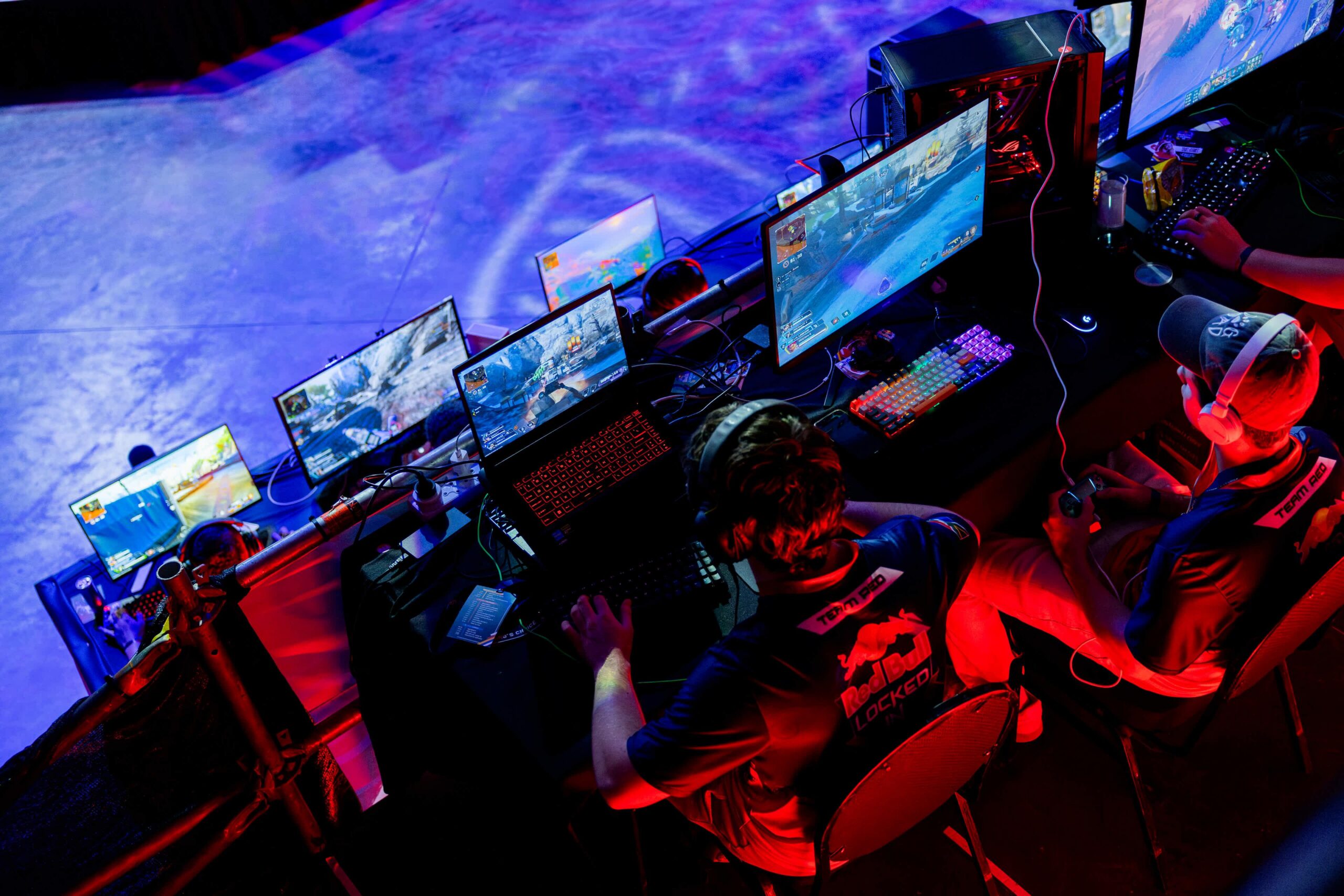
“South African esports organiser Mettlestate has announced a series of free-to-enter Cash Cups running from 12 to 18 October 2026, featuring Marvel Rivals, eFootball, Call of Duty: Mobile, Tekken 8 and Mobile Legends: Bang Bang. The schedule includes a Call of Duty: Mobile duos battle royale tournament on 14 October, giving local competitors another opportunity to test their skills and compete for cash prizes.”
South African Esports Players Prepare for Mettlestate Cash Cups as Call of Duty: Mobile Tournament Takes Centre Stage
South Africa’s competitive gaming community has another opportunity to demonstrate its talent as Mettlestate’s weekly Cash Cups bring together players across several popular esports titles from 12 to 18 October 2026. The tournament programme includes Marvel Rivals, eFootball, Call of Duty: Mobile, Tekken 8 and Mobile Legends: Bang Bang, providing competitors with different formats in which to test their abilities and pursue cash prizes.
According to Esports Central’s report published on 13 October, the week’s schedule includes a Call of Duty: Mobile duos battle royale tournament on Wednesday, 14 October, with matches scheduled to begin at 19:30 South African Standard Time. The series also features one-on-one competitions and team-based formats, reflecting the variety of games attracting participants to South Africa’s developing esports scene.
A busy week for competitive gaming
Mettlestate’s latest Cash Cup programme offers a structured schedule for players interested in organised online competition. Rather than concentrating on one game, the series covers multiple genres, including fighting games, football simulations, multiplayer action and mobile battle royale competition.
The published schedule identifies five tournaments taking place on active days during the week. Marvel Rivals opened the programme on Monday, 12 October, followed by eFootball on Tuesday, 13 October. Call of Duty: Mobile is scheduled for Wednesday, 14 October, while Tekken 8 follows on Thursday, 15 October. Mobile Legends: Bang Bang completes the announced schedule on Saturday, 17 October.
This variety matters because esports encompasses different types of competitive ability. Football simulation players need tactical awareness, passing precision and effective decision-making, while fighting-game competitors depend on timing, matchup knowledge and disciplined execution. Team-based shooters demand communication, positioning and coordination, whereas mobile battle royale matches require situational awareness and adaptability.
By presenting several titles within one weekly programme, Mettlestate creates opportunities for competitors with different gaming preferences to participate in organised events.
Call of Duty: Mobile takes the Wednesday spotlight
The Call of Duty: Mobile Cash Cup is one of the week’s scheduled competitions. According to Esports Central, the event is a duos battle royale tournament beginning at 19:30 on Wednesday, 14 October.
Battle royale competitions typically challenge players to survive against opposing participants while making decisions about movement, positioning, equipment and engagement. In a duos format, these responsibilities are shared between two teammates, making communication and coordinated decision-making important parts of competitive performance.
Success depends on more than individual shooting accuracy. Partners must understand one another’s strengths, exchange information quickly and decide when to engage opponents or avoid unnecessary confrontations. Poor coordination can leave a team vulnerable even when both players possess strong mechanical skills.
The scheduled event therefore gives participating players an opportunity to apply teamwork and game knowledge in a competitive setting. However, the published announcement does not establish which players will participate, who will win or what the final standings will be. Those outcomes should be confirmed through official tournament results rather than assumed in advance.
Free entry and cash prizes
One notable feature of the announced Cash Cups is their free entry. Esports Central reports that players can enter the listed competitions without paying an entry fee, subject to the organiser’s registration requirements and deadlines.
Removing an entry fee can make competitive opportunities more accessible, particularly to players who are still developing their skills or cannot regularly afford paid competitions. Participants can gain experience with organised matches, learn how tournament formats operate and evaluate their performance against other competitors.
The report identifies a standard prize pool of R1,000 per tournament, potentially increasing to R2,000 depending on participants’ Premium or VIP status. The published distribution for the standard prize pool is R500 for first place, R300 for second and R200 for third. The corresponding amounts double under the stated VIP arrangement.
These figures provide competitors with a clear indication of the financial rewards described in the announcement. Nevertheless, players should consult the organiser’s official event information for the applicable prize conditions, eligibility requirements and any updates before registering.
Although the prize amounts are modest compared with major international esports championships, local cash competitions can still offer meaningful experience. They provide a setting in which players can practise under pressure, assess their preparation and develop a record of competitive participation.
Registration and preparation
Esports Central advises players that registration generally closes approximately one to two hours before an event begins, with check-in taking place during the hour before competition. Because these arrangements may vary or change, competitors should verify the precise instructions for their selected Cash Cup.
Preparation should begin well before the scheduled start. Players need to confirm their registration, check the relevant tournament rules and ensure that their devices, game installations and internet connections are ready. For team competitions, partners should also agree on communication methods and basic strategies.
In mobile esports, device performance and connection stability can influence the playing experience. Closing unnecessary applications, checking battery levels and using a reliable connection can help players avoid preventable interruptions. Competitors should also familiarise themselves with the tournament format so that they understand how matches are organised and how progression is determined.
These practical steps cannot guarantee victory, but they can reduce distractions and help participants concentrate on their performance.
The importance of South Africa’s esports ecosystem
The Mettlestate programme forms part of a wider competitive gaming environment in South Africa, where tournament organisers, gaming communities, educational institutions and commercial partners contribute to the development of esports.
Organised tournaments can help transform casual gaming into a more structured activity. They give players opportunities to practise against unfamiliar opponents, measure their improvement and learn the expectations associated with competitive participation.
The country’s esports environment includes both grassroots competitions and larger public-facing events. In October 2026, for example, coverage of Hyprop’s SHIFT Gaming Experience reported that its national finals crowned champions in Beat Saber, EA Sports FC 26 and Brawlhalla after a tournament series held across eight shopping centres. The reported series attracted 42,327 competitors and visitors and distributed R350,000 in prize money.
That separate event illustrates how commercial venues can introduce competitive gaming to wider audiences. Mettlestate’s weekly Cash Cups serve a different purpose by offering scheduled competitions across multiple game titles. Together, such activities demonstrate the range of formats through which South African players can encounter organised esports.
Opportunities for emerging competitors
Regular tournaments can be especially useful for emerging players who want to understand what competitive gaming requires. Playing against unfamiliar opponents exposes weaknesses that may not appear during casual matches with friends.
After a competition, players can review their decisions, identify repeated mistakes and establish practical training goals. A mobile battle royale competitor might focus on positioning and survival decisions, while a fighting-game player could work on defensive responses and consistency. Team-based competitors may benefit from reviewing communication, role allocation and coordination.
Participation also teaches players how to manage pressure. Tournament matches can feel different from ordinary gaming sessions because opponents are motivated to win and mistakes can have immediate consequences. Learning to remain composed, adapt to setbacks and make decisions under pressure can improve performance over time.
However, participation does not automatically lead to professional contracts or significant income. Advancement usually requires sustained practice, strong results, reliable teamwork where relevant and access to further competitive opportunities. Players should view smaller tournaments as potential learning experiences rather than guaranteed routes to a professional career.
Responsible competition and community development
As esports opportunities expand, responsible participation remains important. Players should balance gaming with education, employment, physical activity, sleep and other personal responsibilities. Maintaining a sustainable routine can help competitors practise consistently without allowing tournaments to overwhelm other priorities.
Organisers also have a role in building welcoming competition environments. Clear rules, transparent prize arrangements, consistent match administration and accessible information can help participants understand what is expected of them. Fair treatment of competitors and effective procedures for handling disputes are important to maintaining trust.
For younger players, appropriate supervision and awareness of online safety are particularly valuable. Participants should protect personal information, use respectful communication and understand the risks of interacting with strangers online. Competitive ambition should not come at the expense of personal safety.
These considerations become increasingly important as gaming attracts audiences beyond established esports communities. Well-organised events can help demonstrate that competitive gaming involves preparation, strategy, teamwork and sportsmanship alongside entertainment.
What happens next?
The immediate focus is the scheduled Cash Cup programme, with Call of Duty: Mobile listed for Wednesday evening and additional competitions planned later in the week. Players interested in participating should check Mettlestate’s official event listings for registration availability, match rules and any schedule changes.
Esports Central’s report establishes the announced schedule and prize structure, but it does not confirm the results of the Wednesday competition. Any subsequent report on winners, participation numbers or final standings should therefore rely on verified tournament updates.
For South African esports followers, the week’s competitions provide a useful opportunity to follow several games and observe how local competitors perform in different formats. For participants, the events offer a chance to gain experience, practise competitive decision-making and compete for the prizes described by the organiser.
Ultimately, the significance of the Mettlestate Cash Cups extends beyond the money available to winners. Regular, accessible competitions can contribute to a stronger esports culture by giving players reasons to practise, communities opportunities to connect and emerging competitors a structured environment in which to develop.
South Africa’s esports future will depend on continued participation, reliable tournament organisation, sustainable commercial support and opportunities for talented players to progress. Weekly competitions alone cannot guarantee that development, but they provide one practical part of the wider ecosystem. As the October programme continues, the performances and experiences of participating players will help shape another chapter in the country’s evolving competitive gaming landscape.



